Into Kyushu
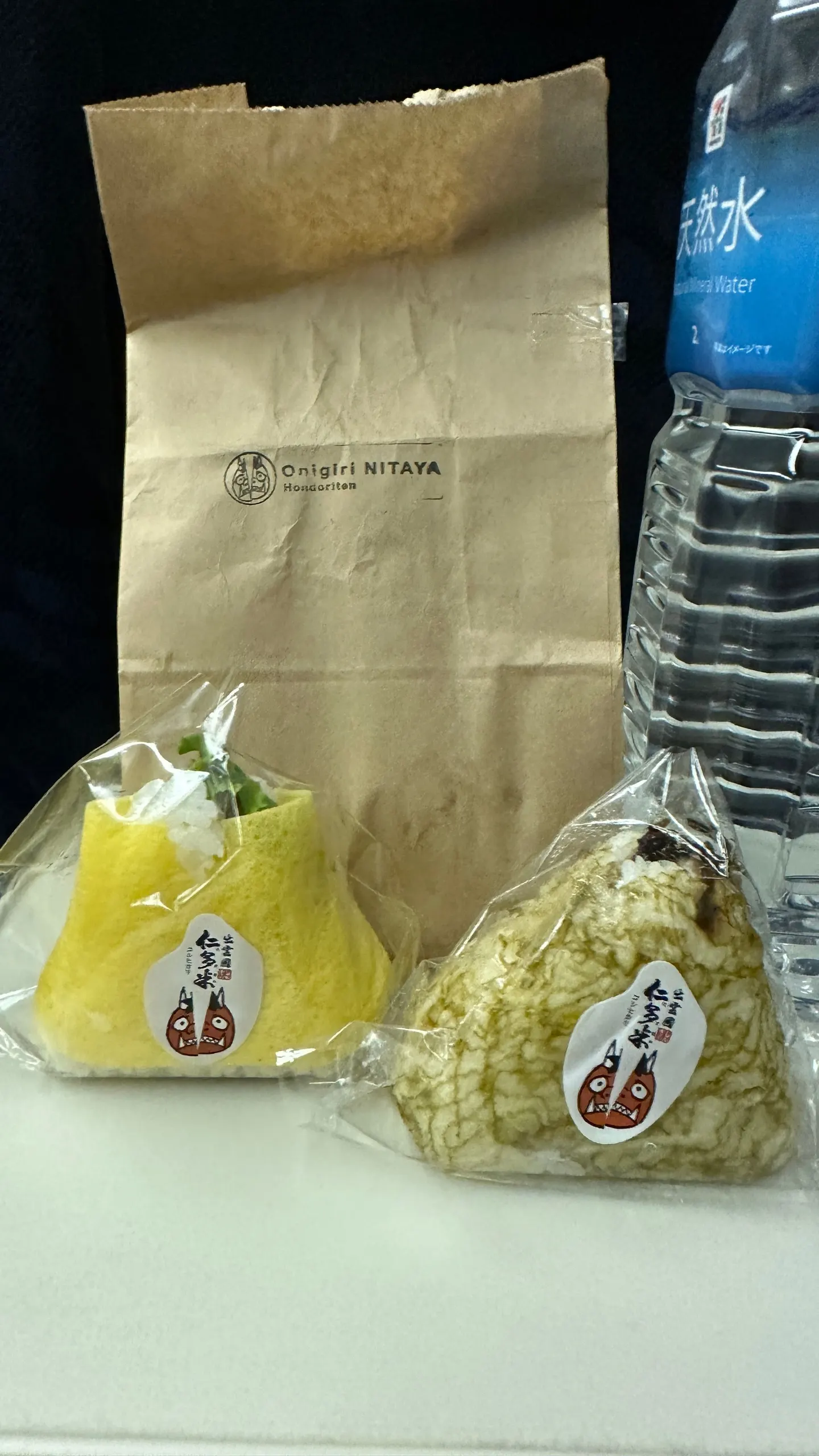
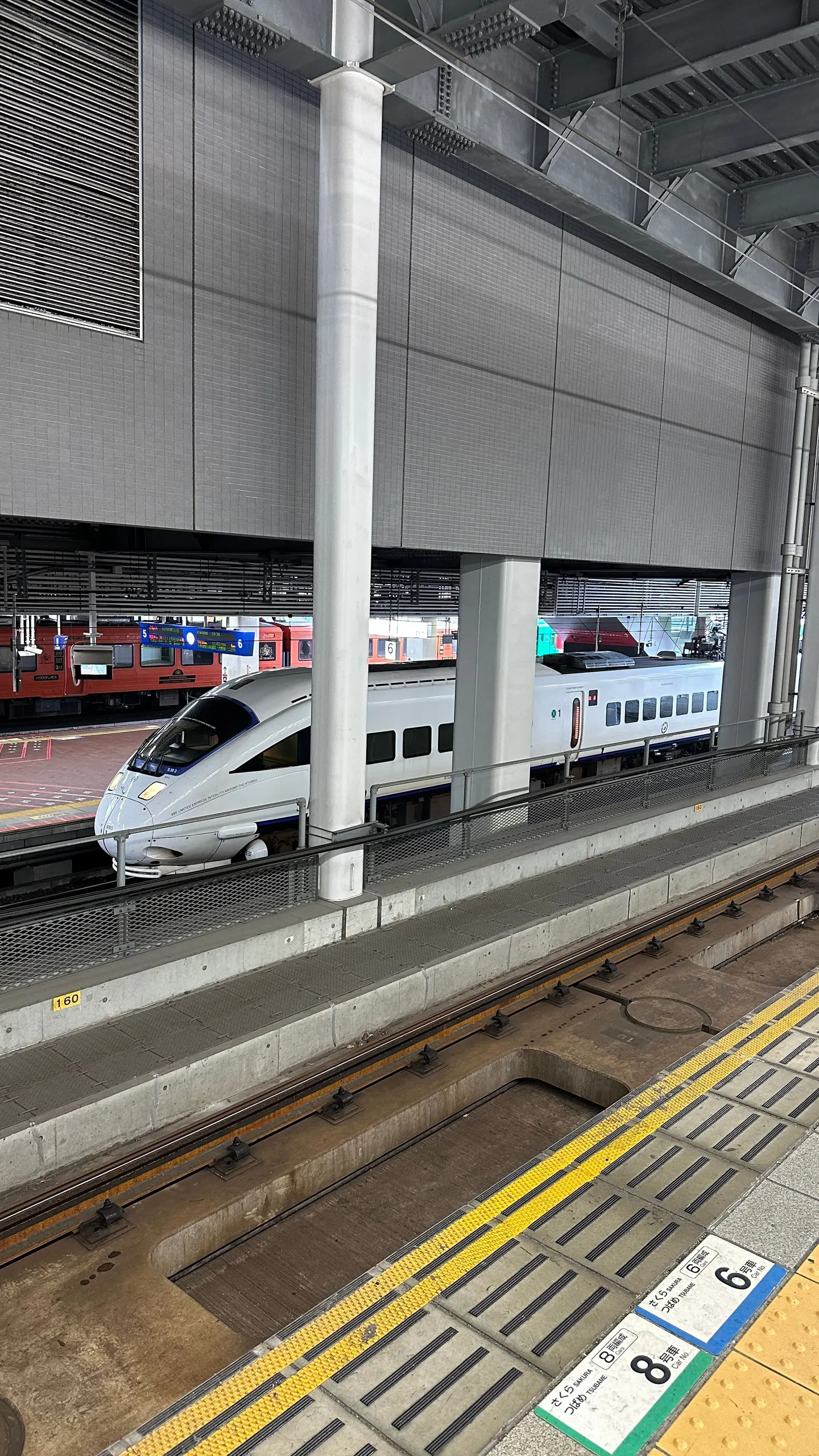
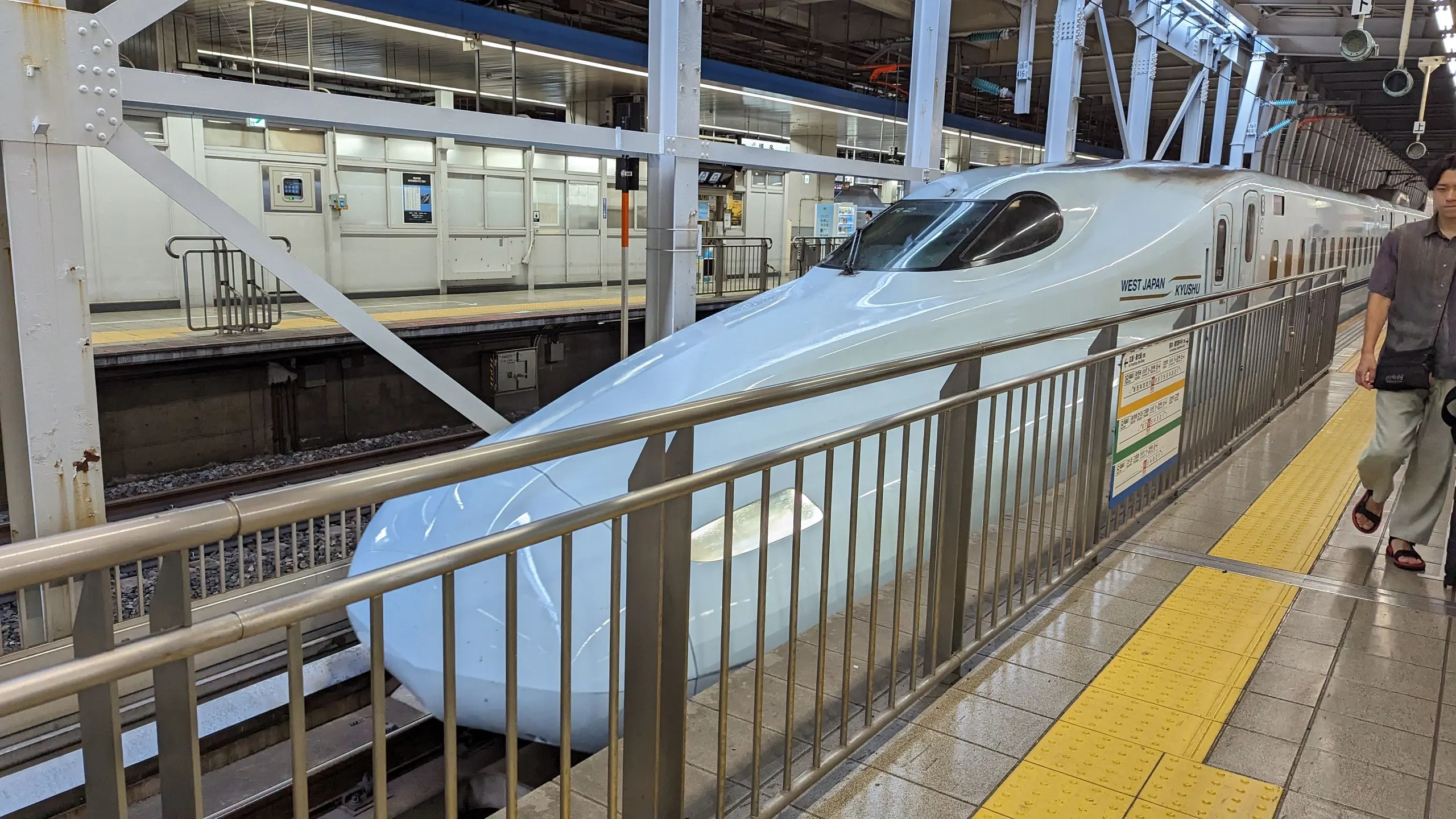
Day 12, and we left Honshu. Onigiri for breakfast, then the Shinkansen from Hiroshima to Hakata in about an hour. Fukuoka was our base for the last four nights.
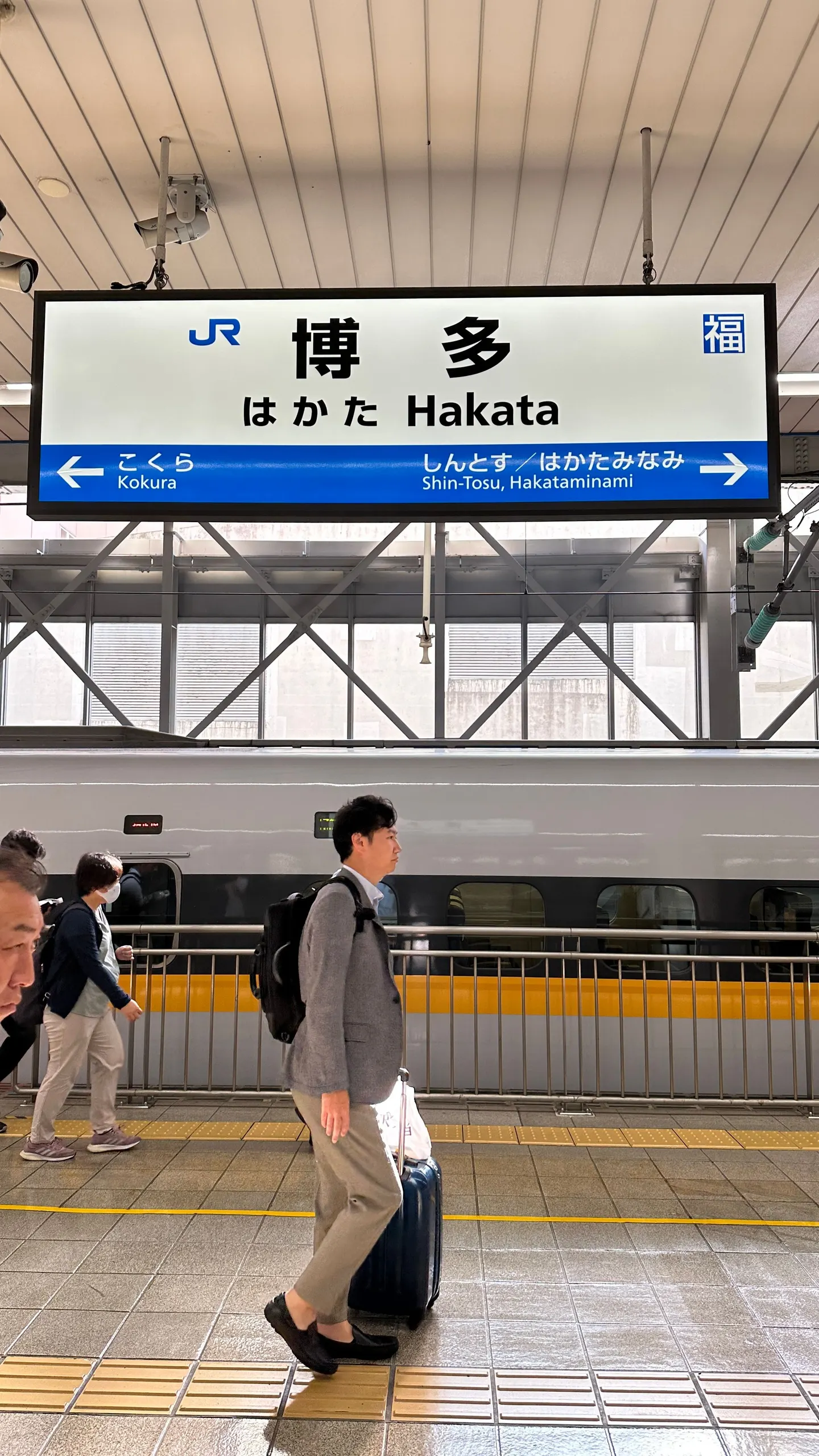
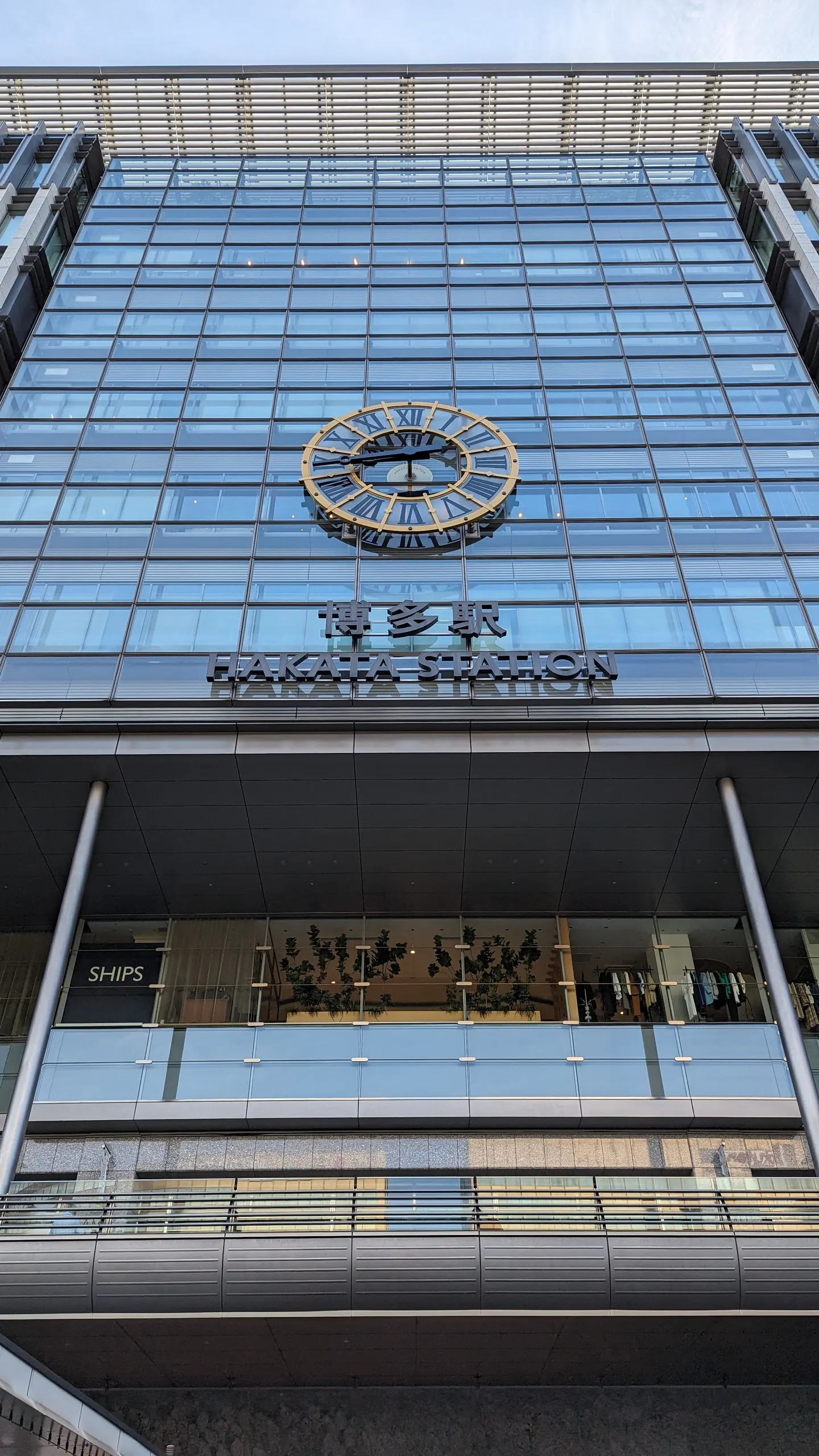
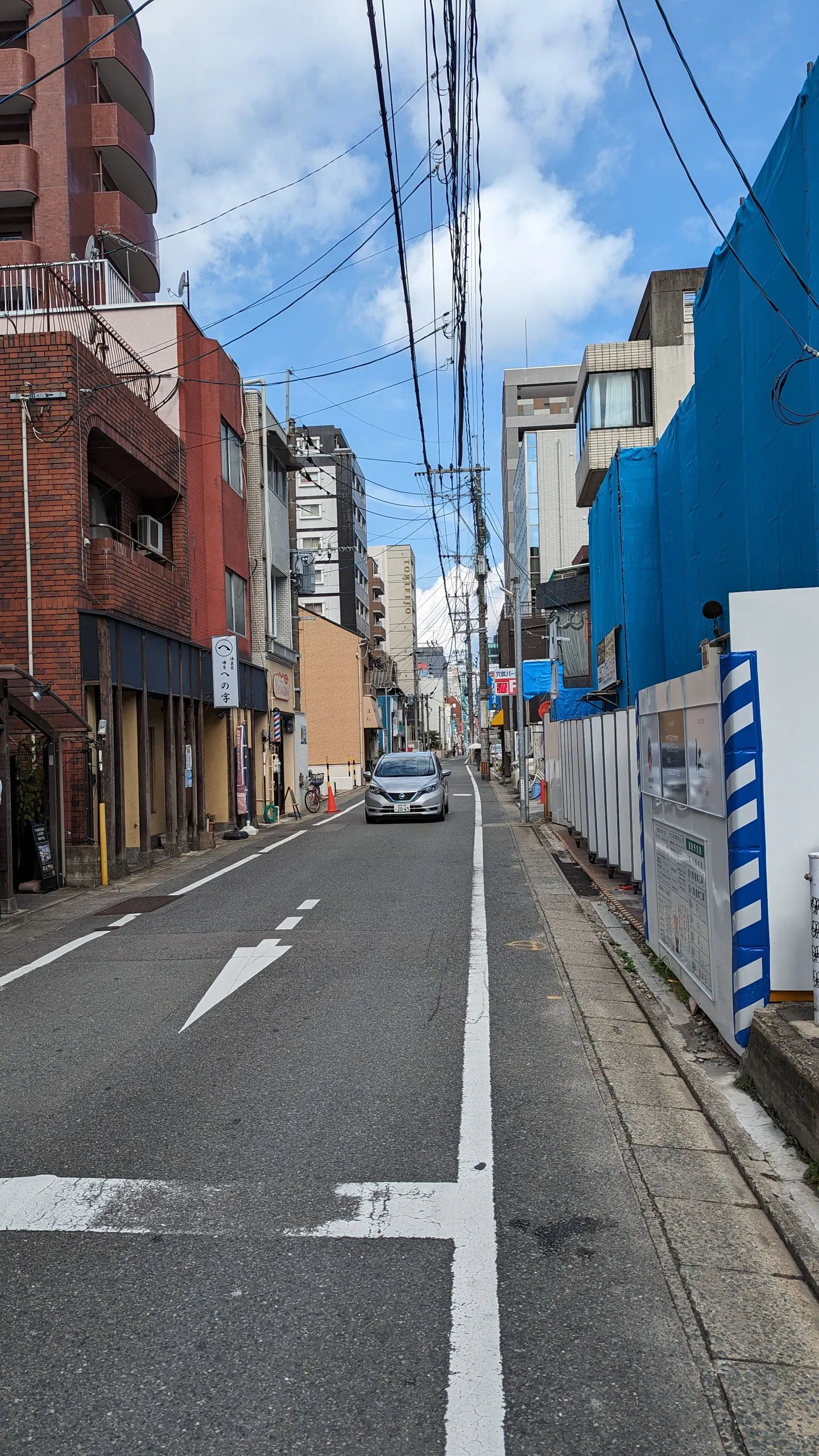
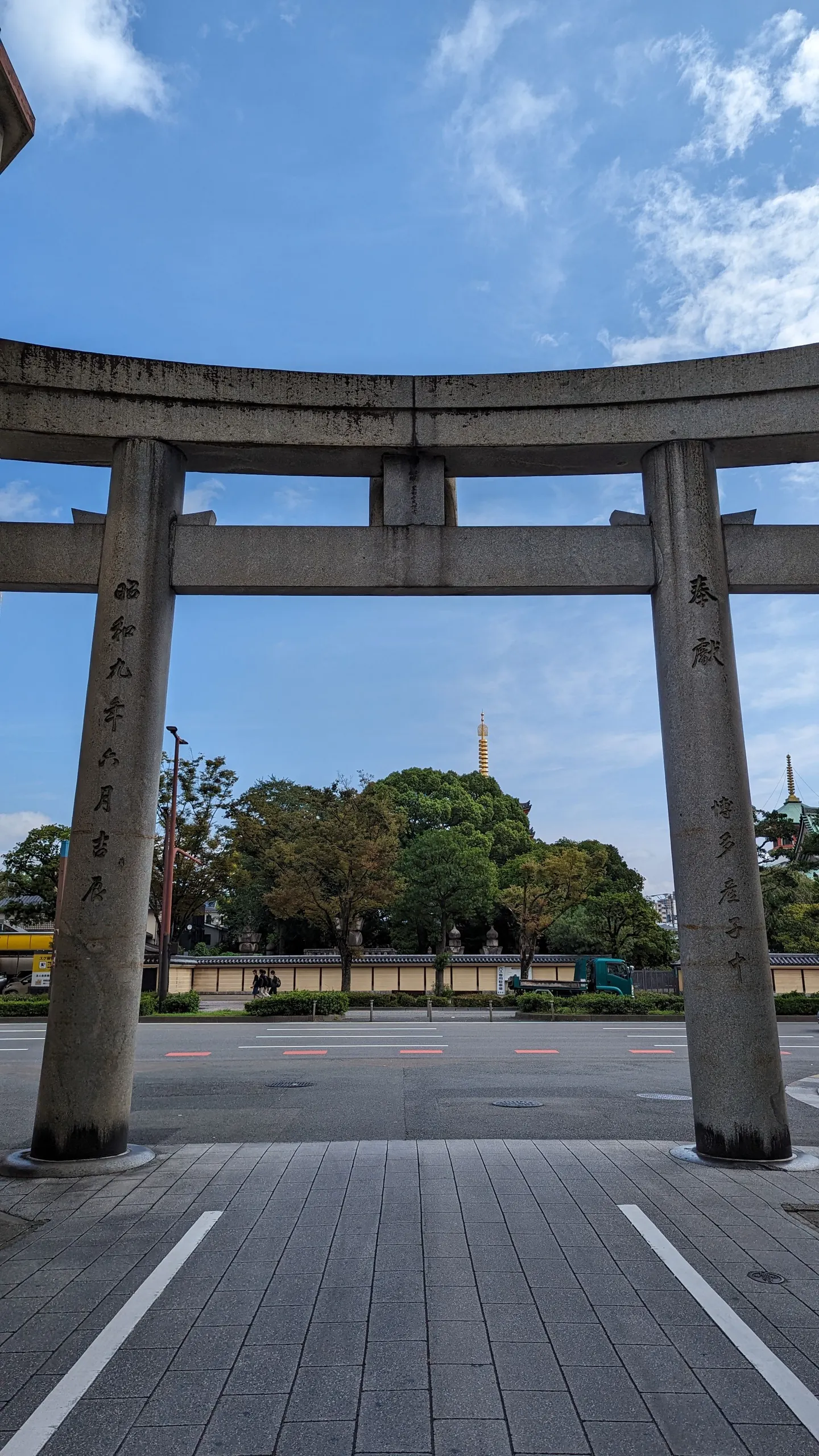
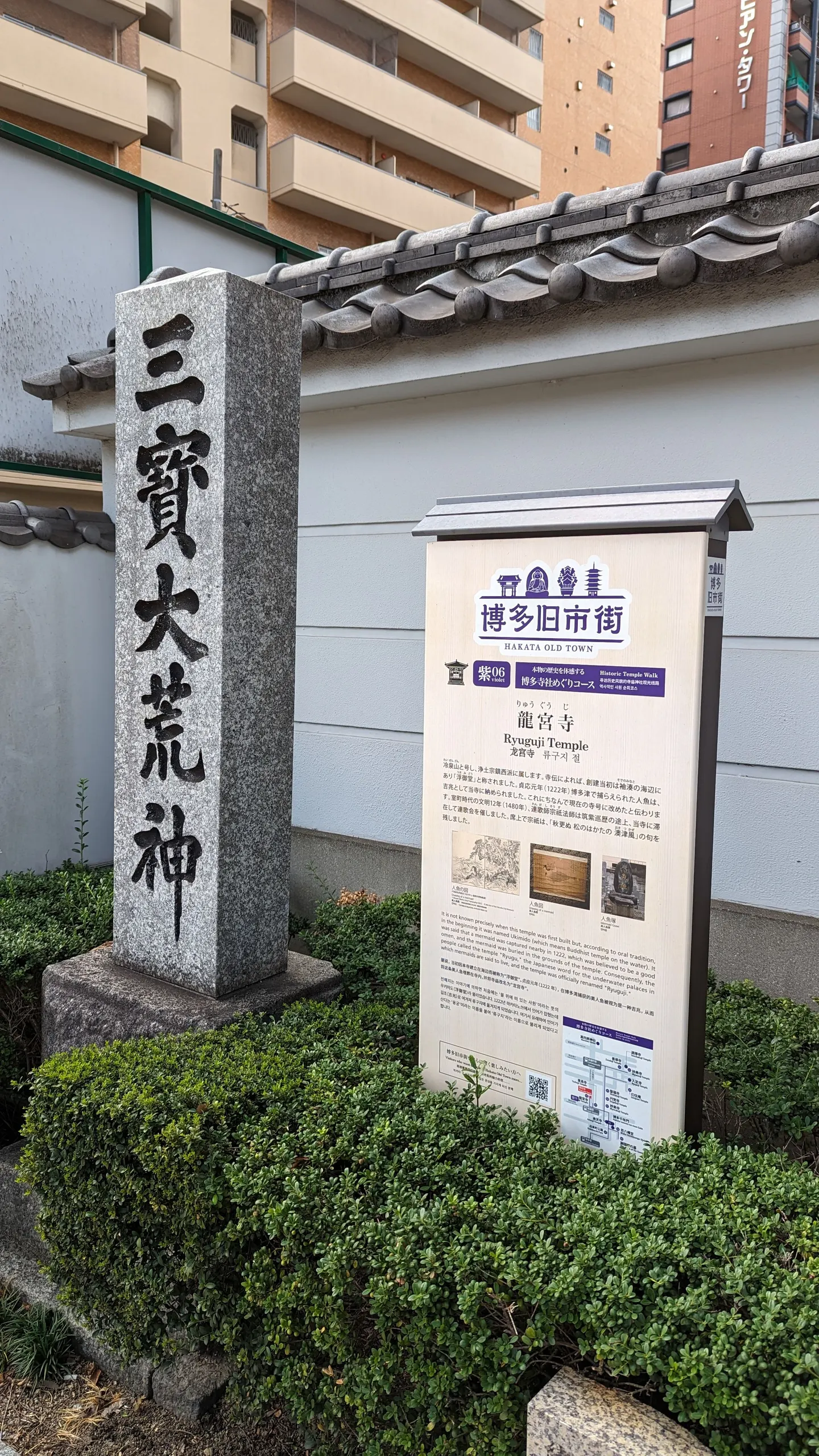
We dropped the bags and had a short walk around Hakata’s temple area while the city woke up.
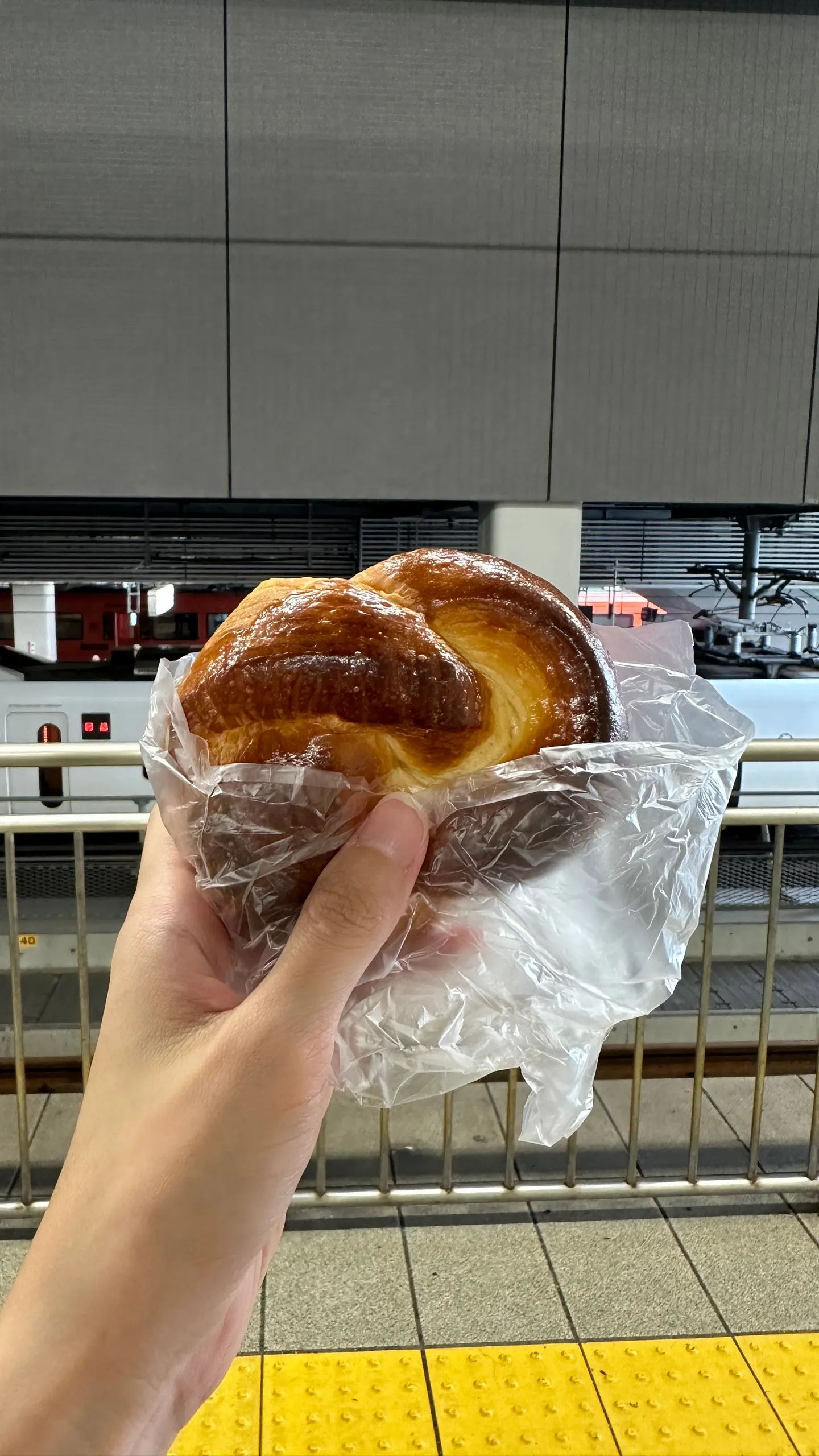
Then straight back on the Shinkansen, 15 minutes up the line to Kokura, with a pastry for the road.
Tanga Market
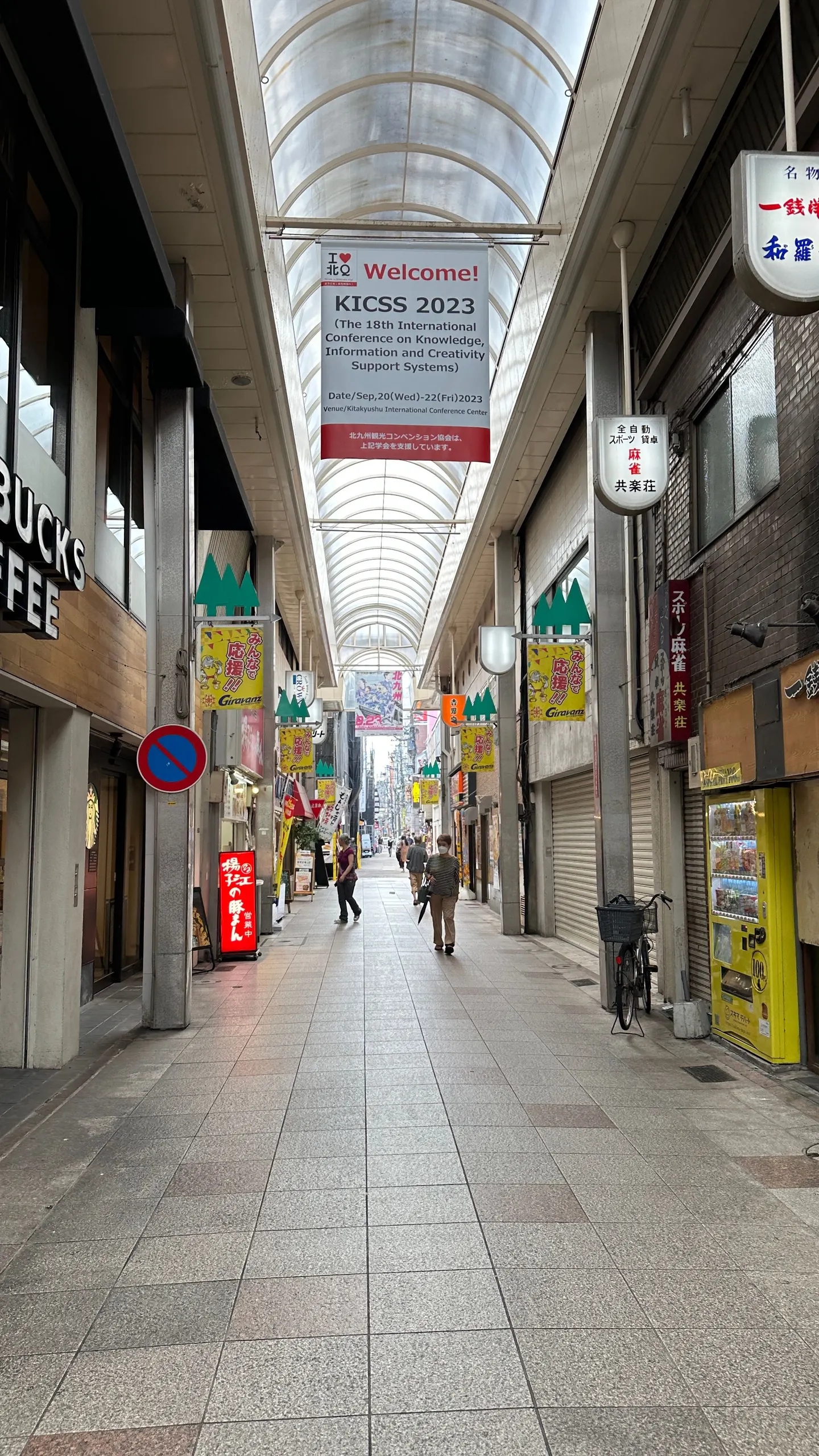
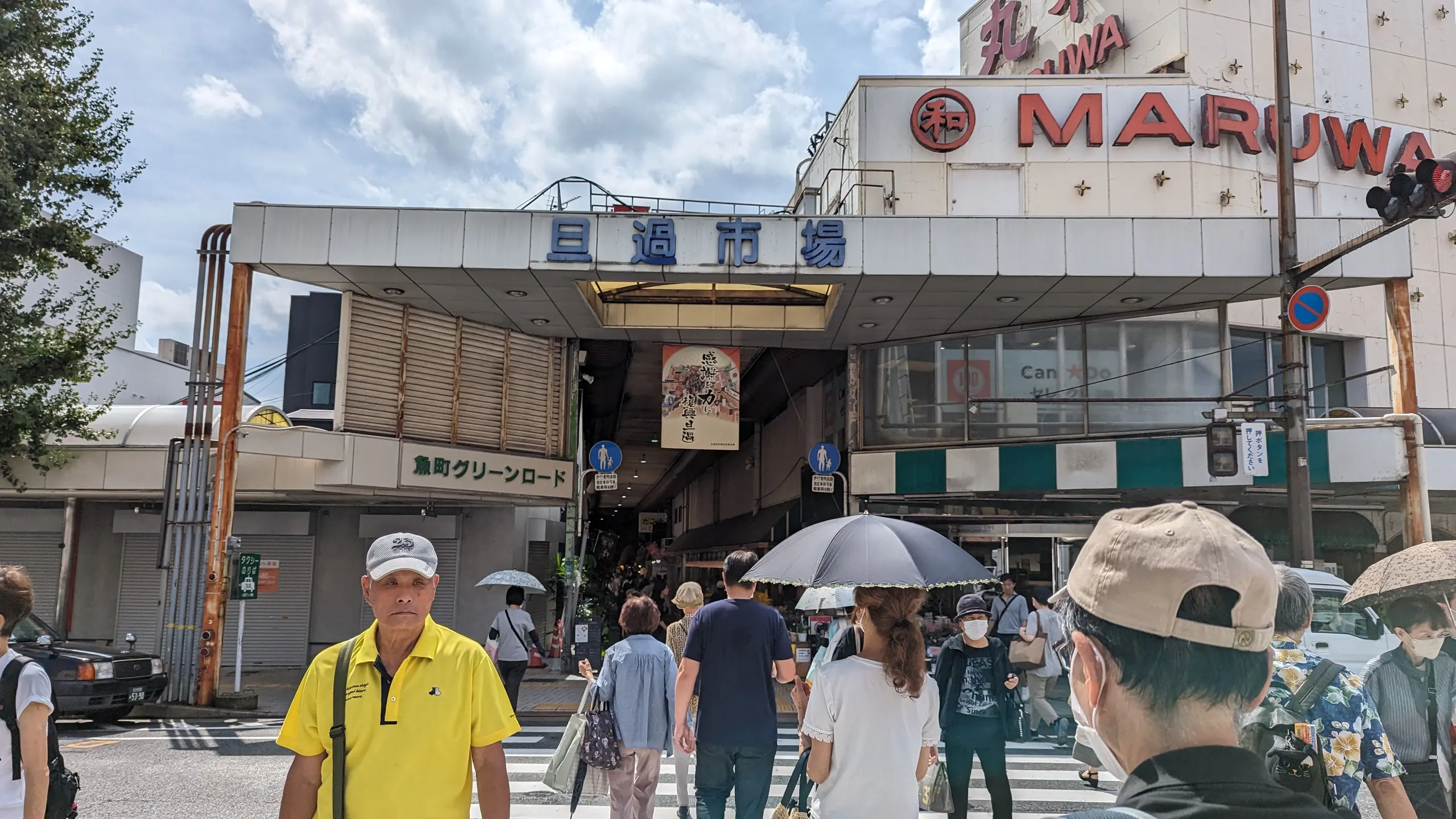
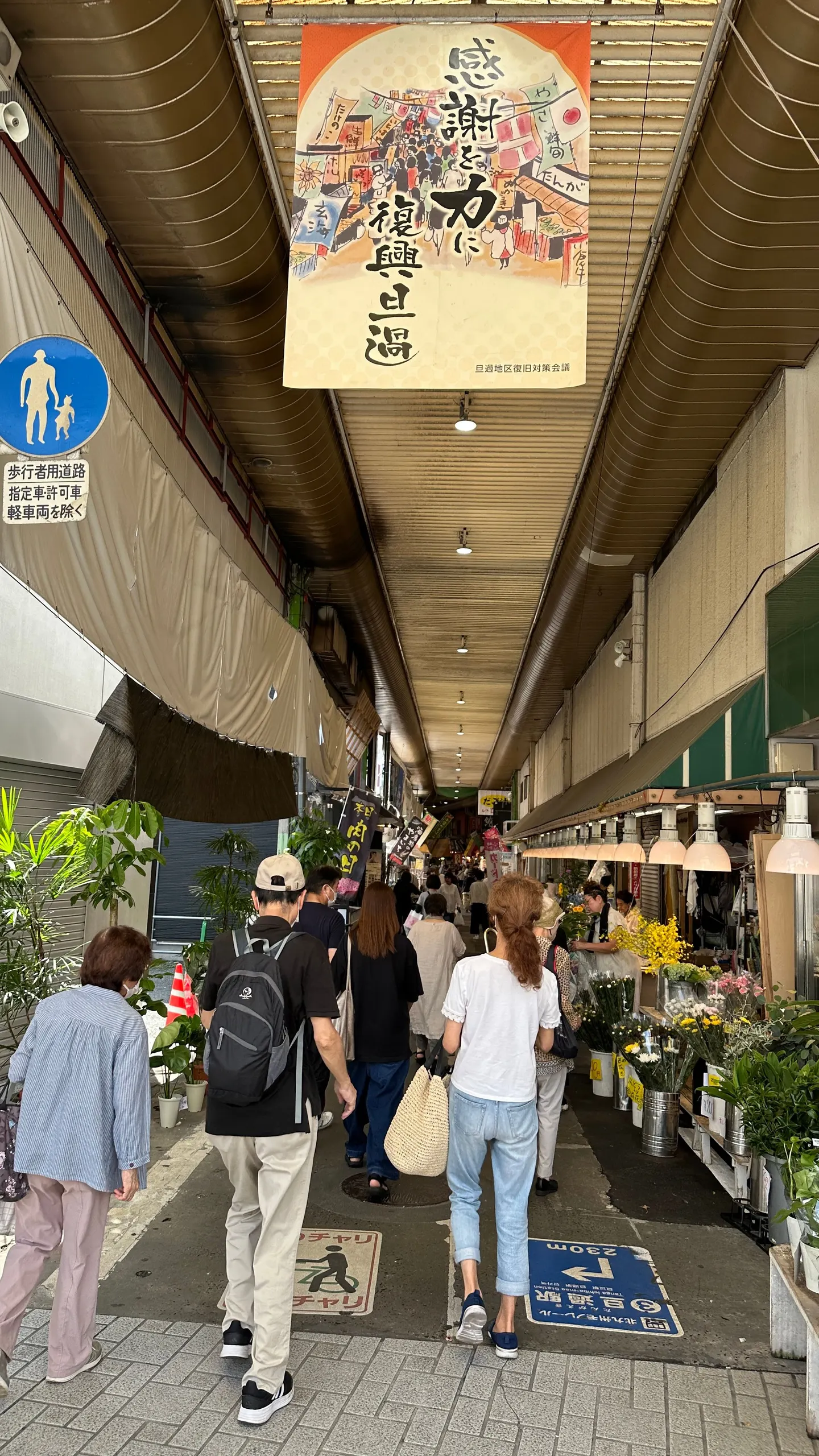
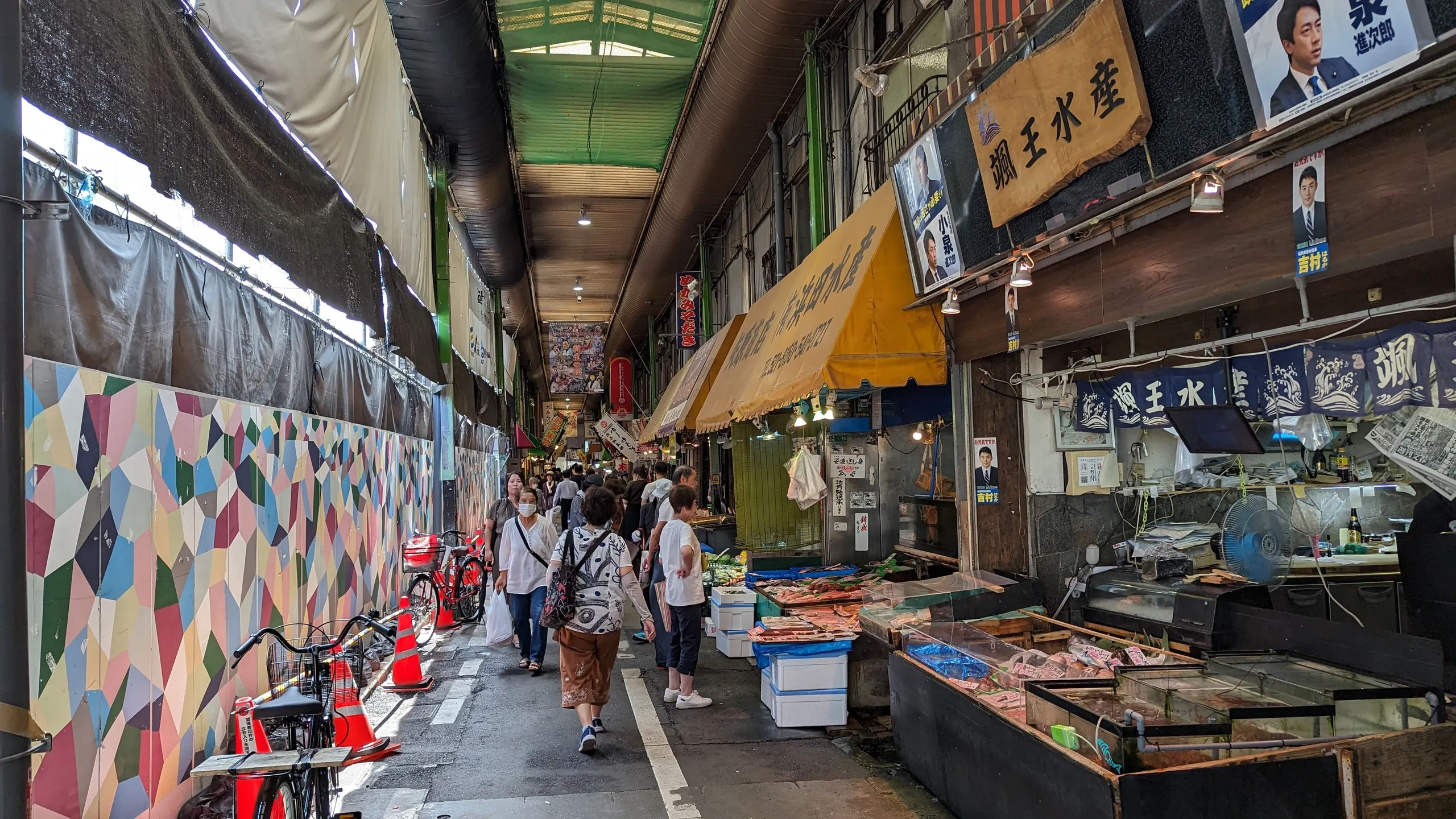
Kokura’s Tanga Market is a long, narrow covered market along a river, known as Kitakyushu’s kitchen. It was badly damaged by two fires in 2022, and when we went, parts of it were still being rebuilt, but the rest was running as usual.
Hamburg Steak at L’Arc-Corn
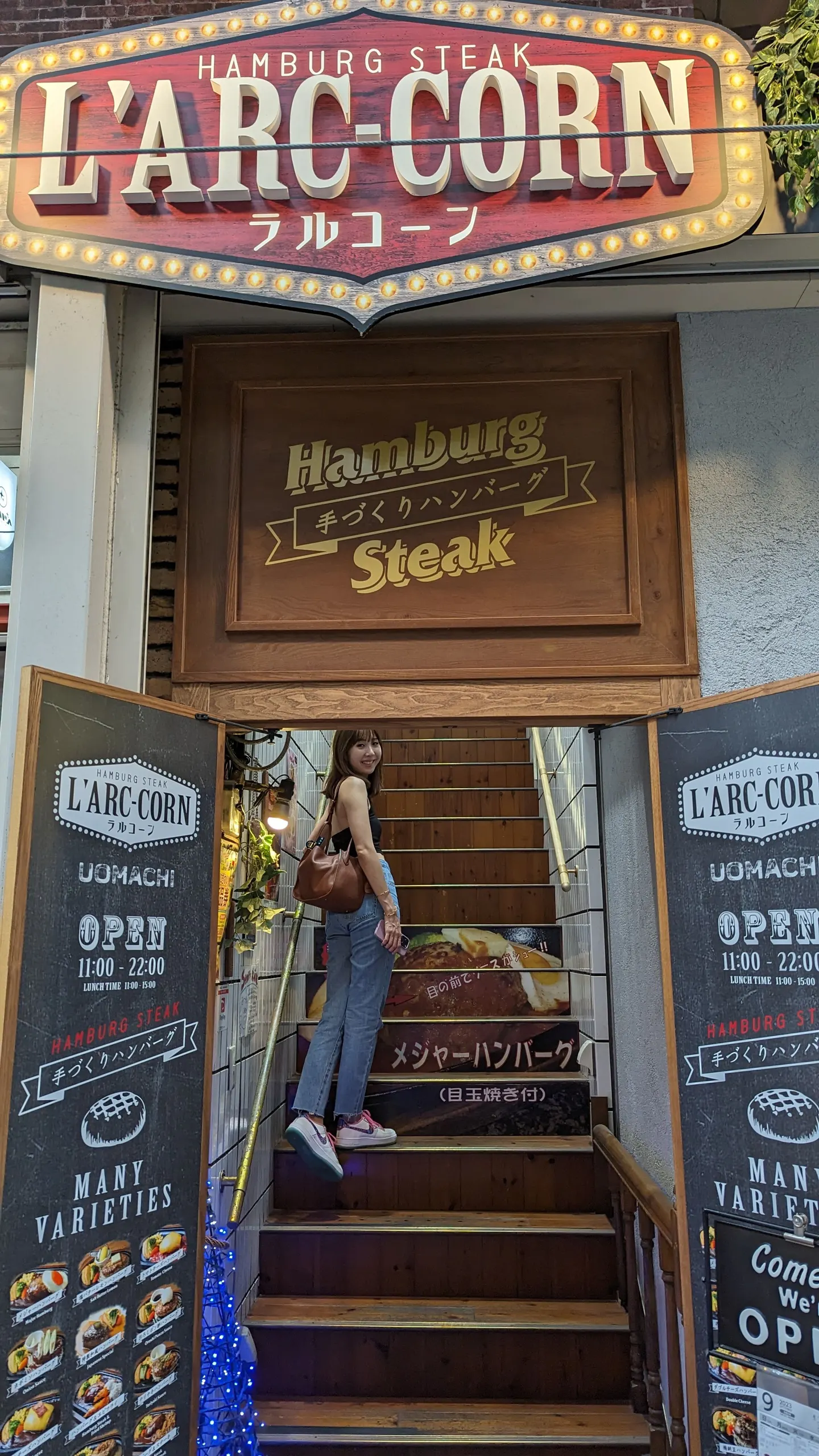
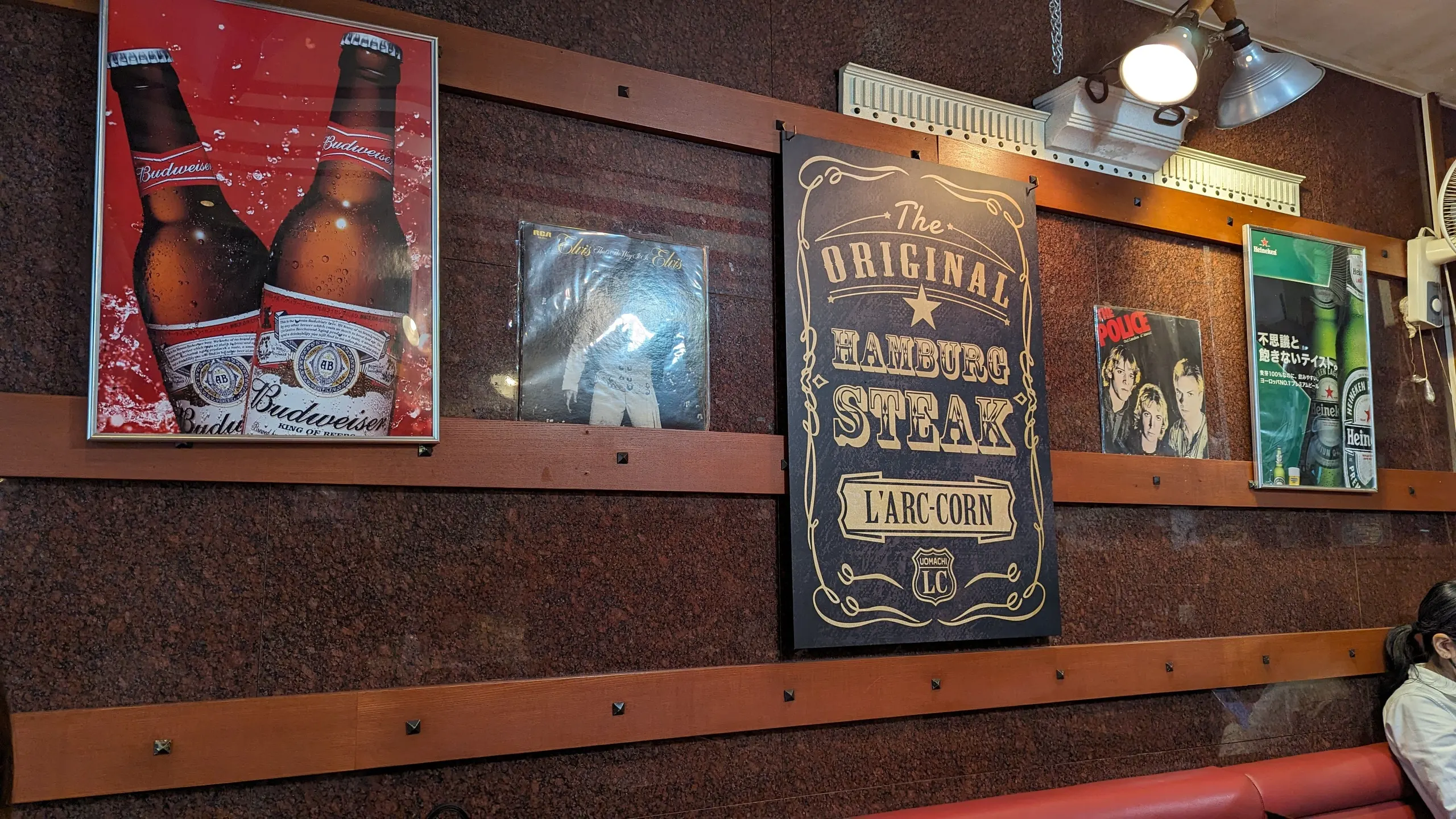
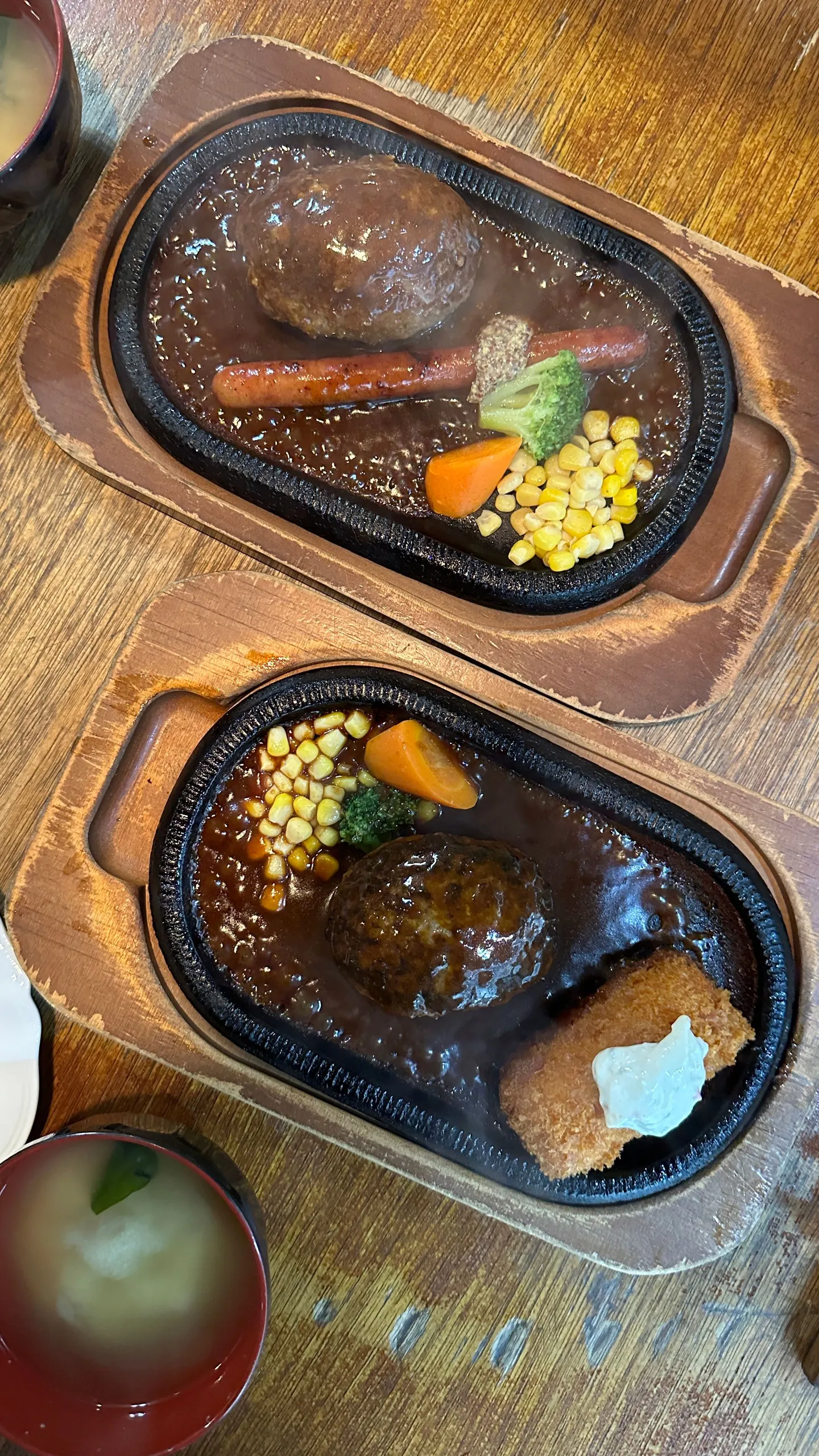
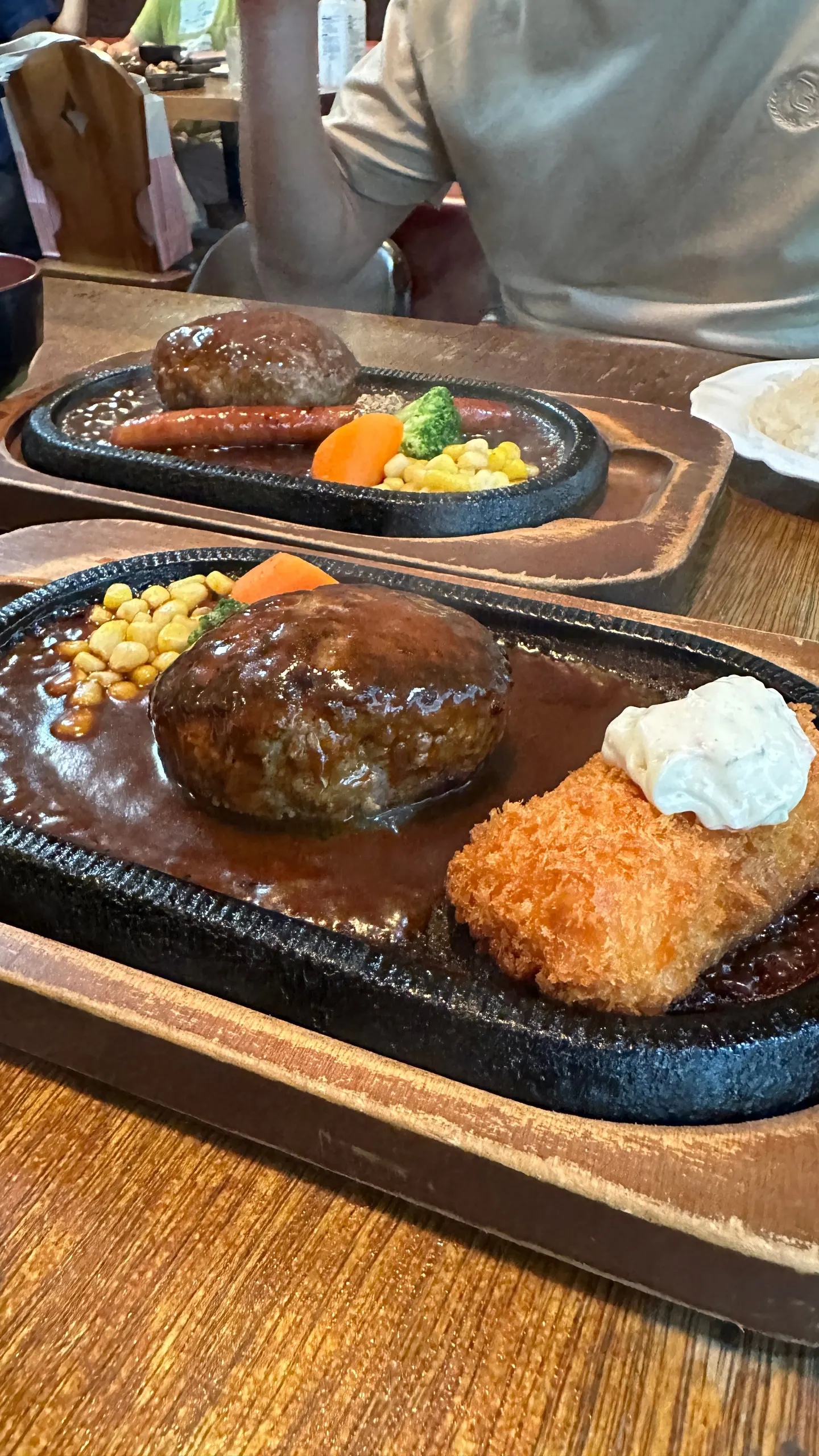
Lunch was hamburg steak at L’Arc-Corn, up a narrow staircase in Uomachi. A thick handmade patty on a sizzling iron plate, with fried things on the side.
The TOTO Museum
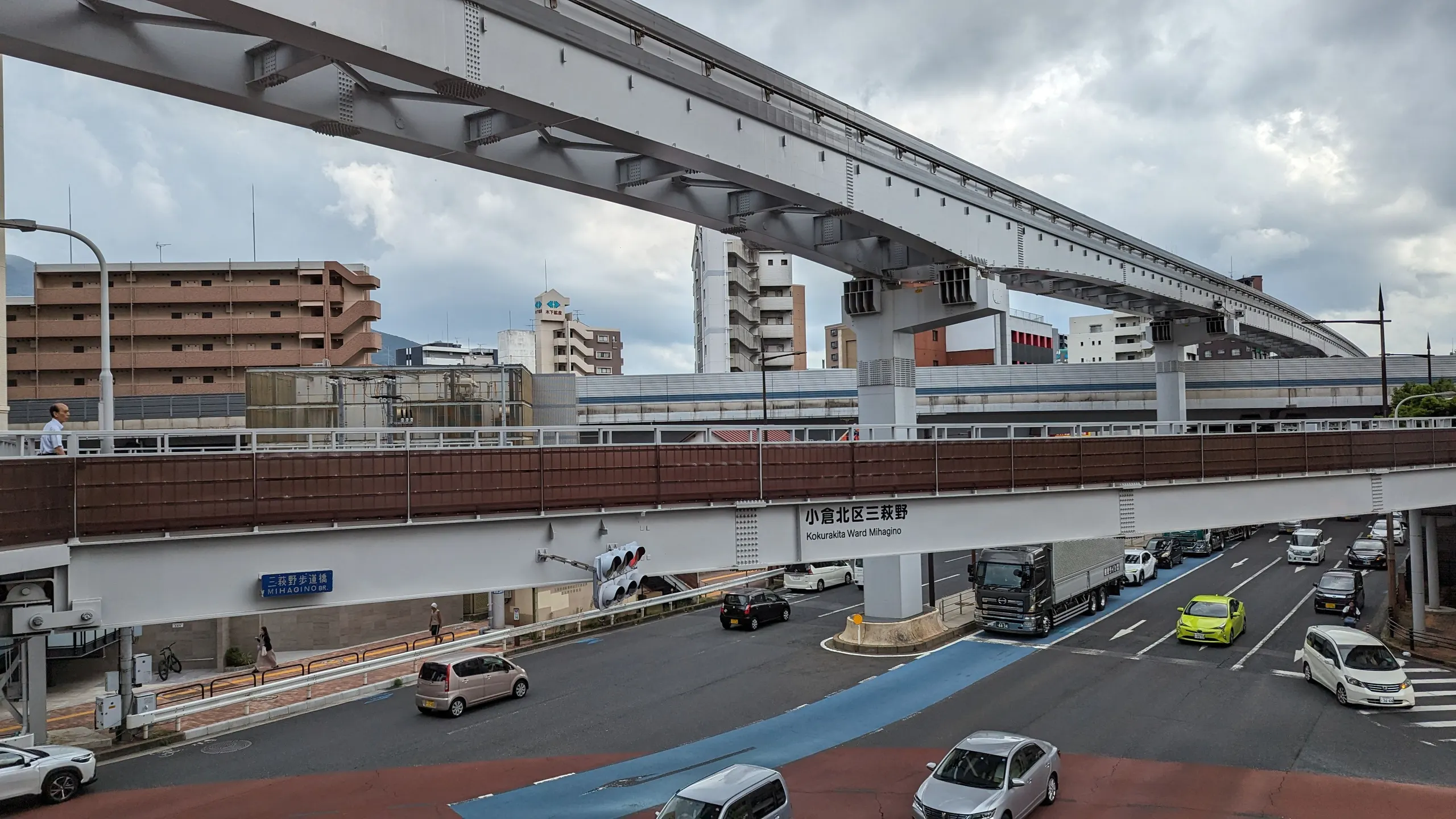
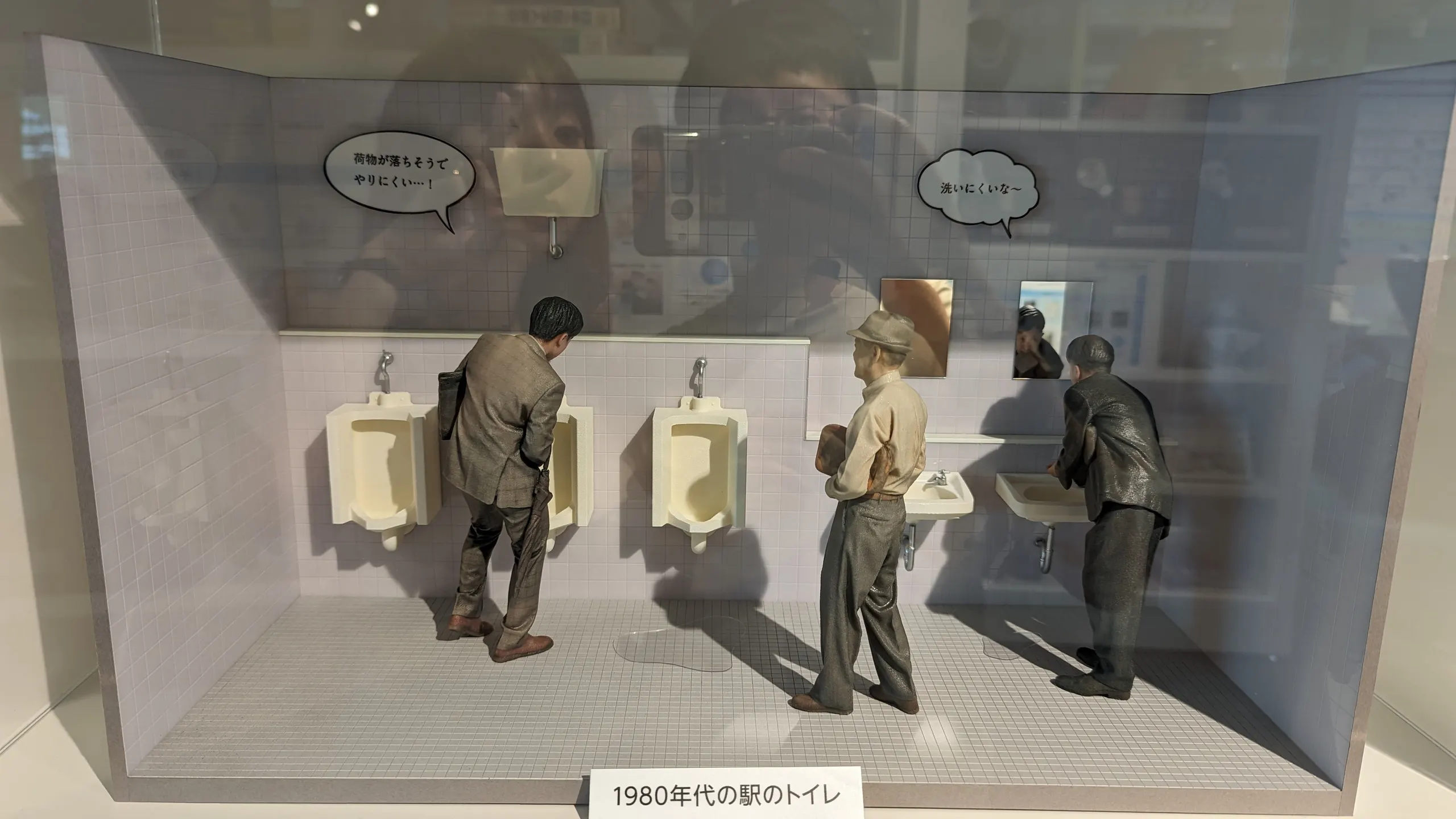
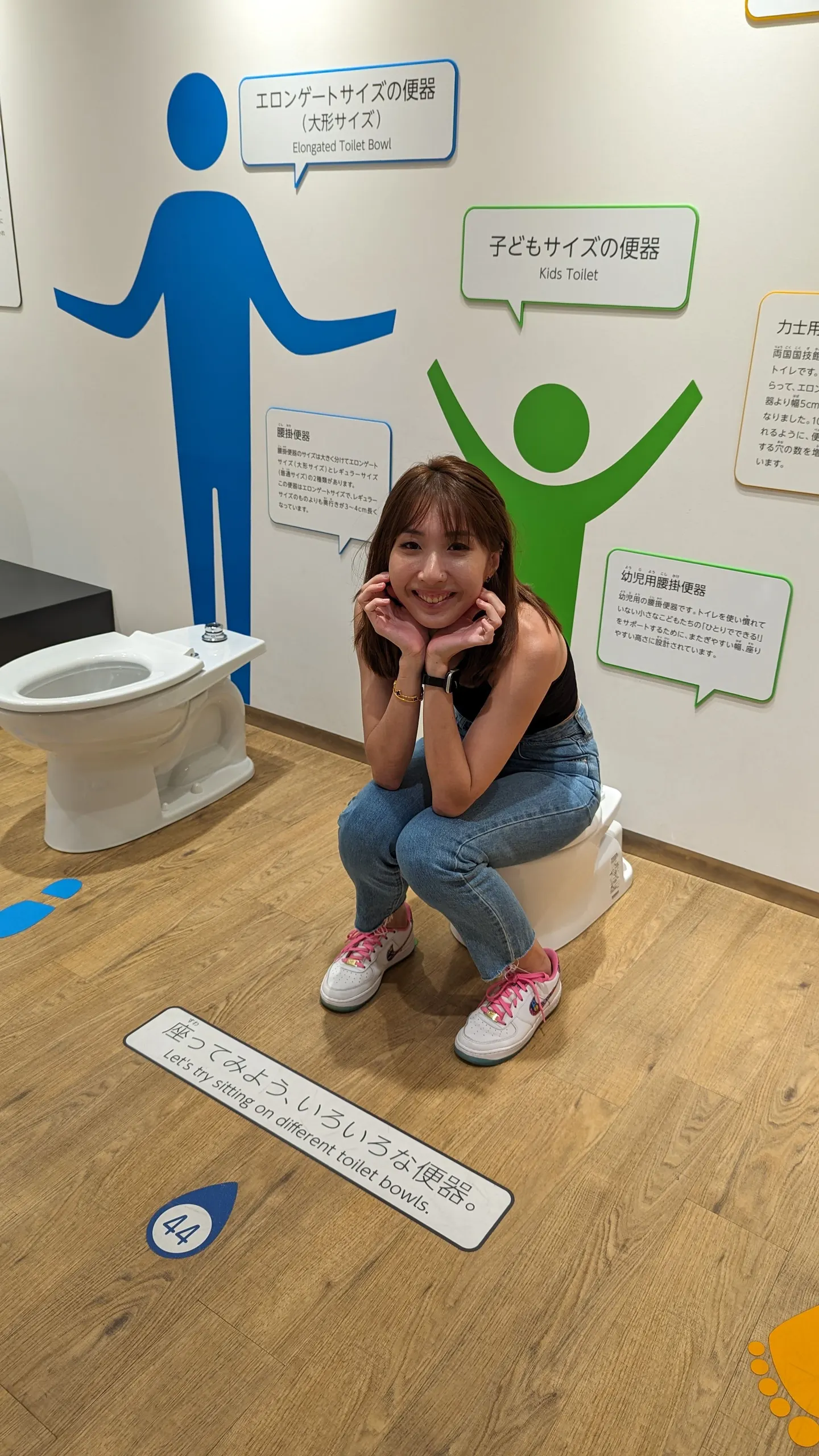
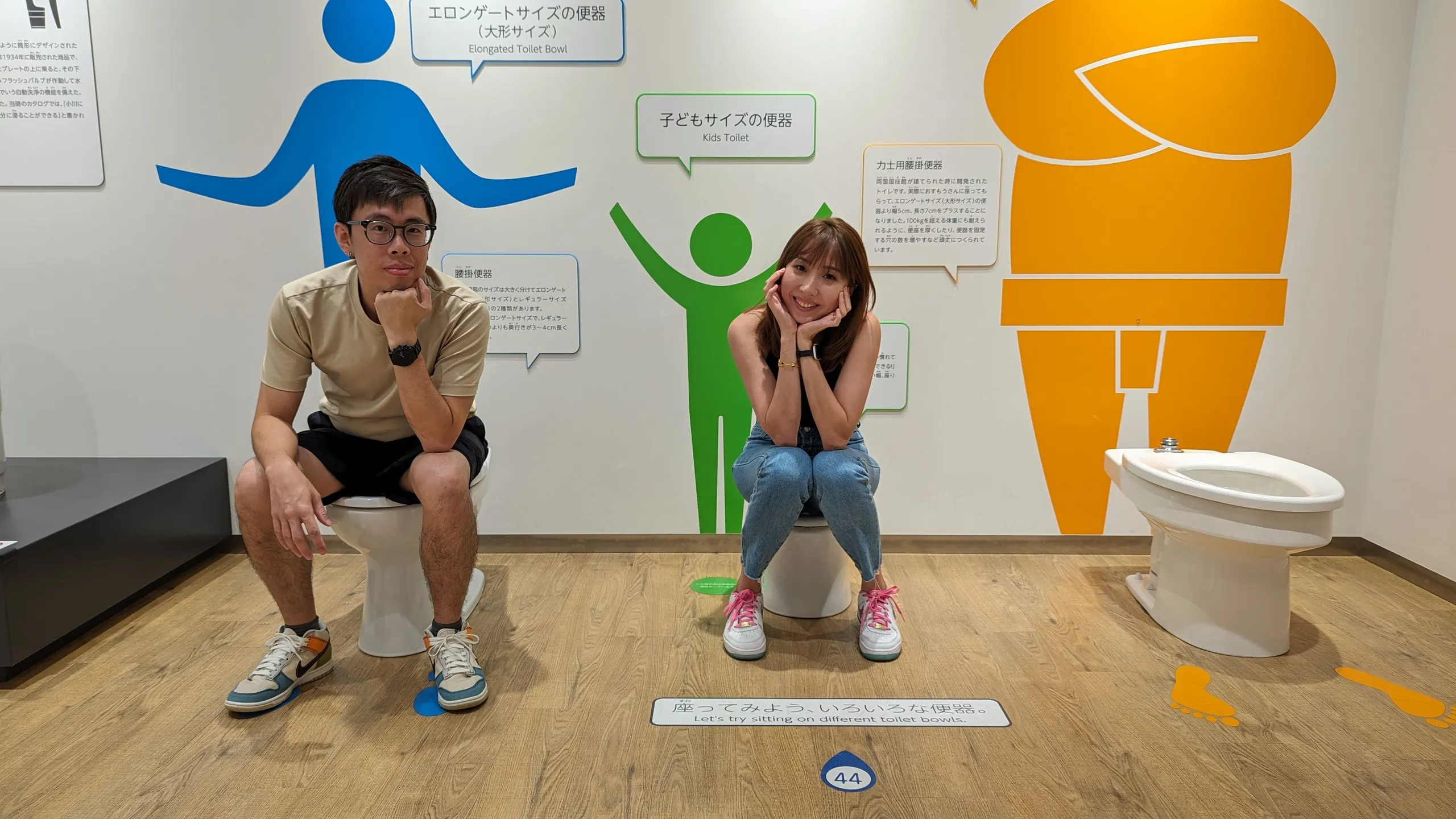
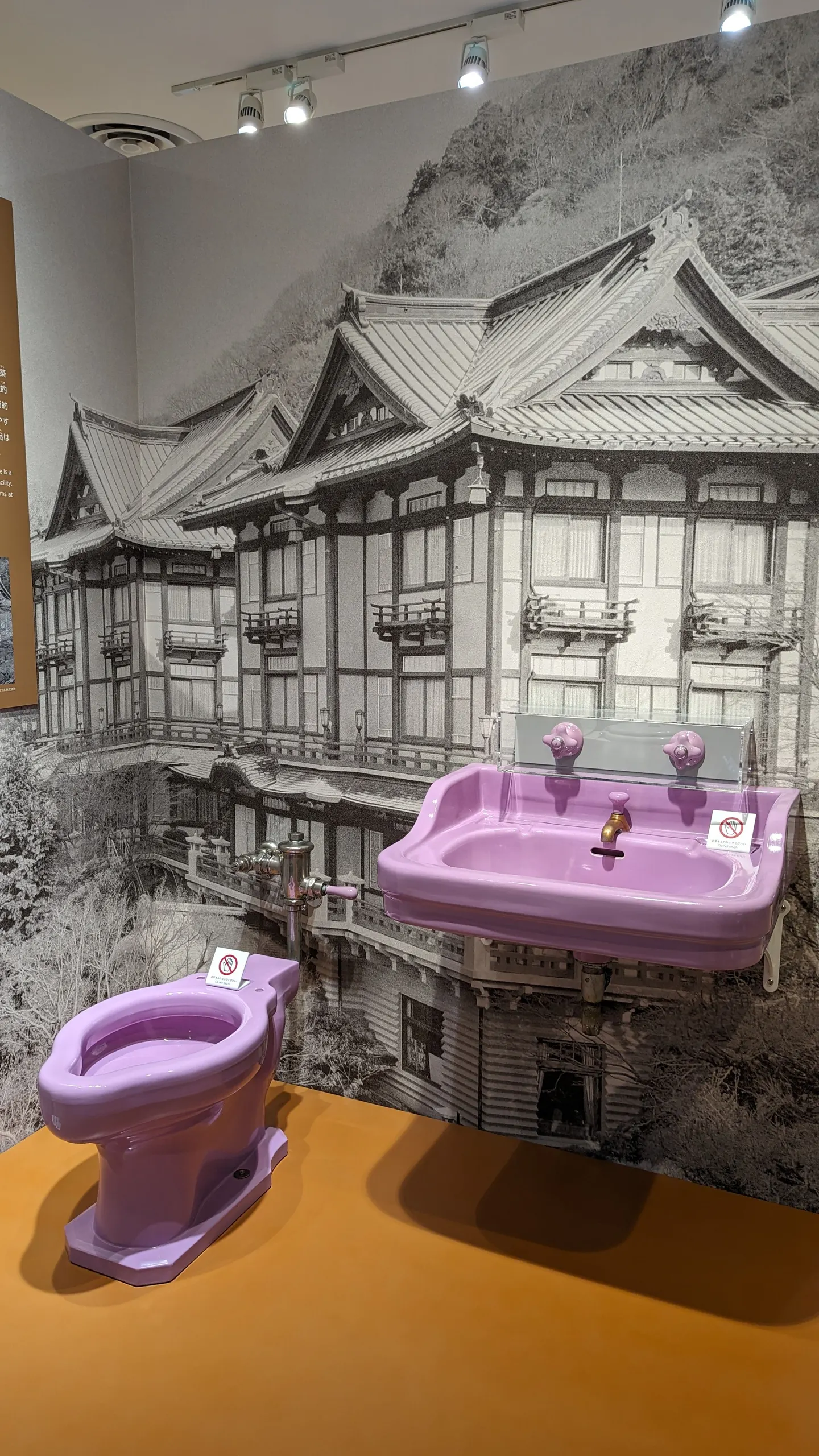
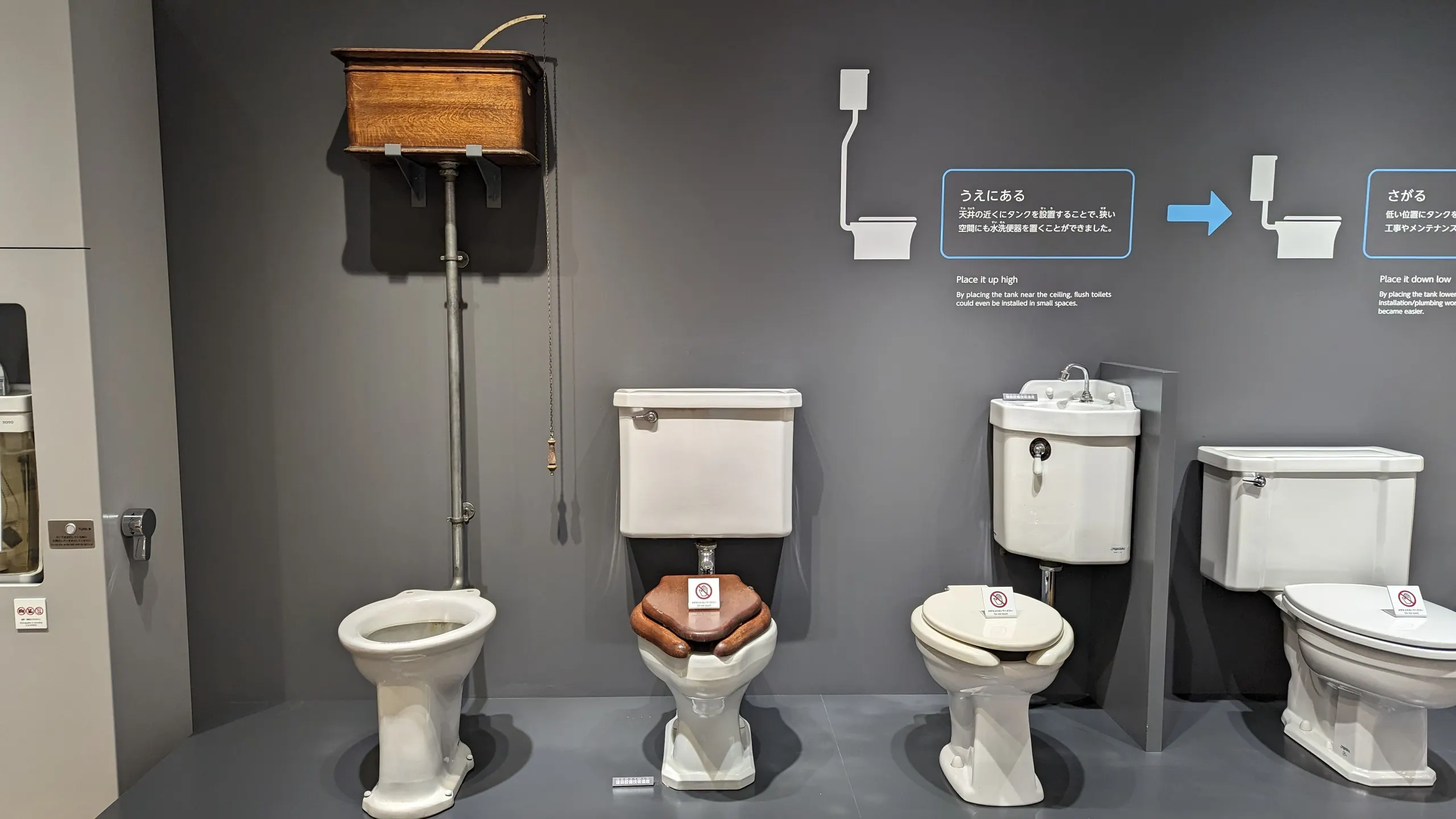
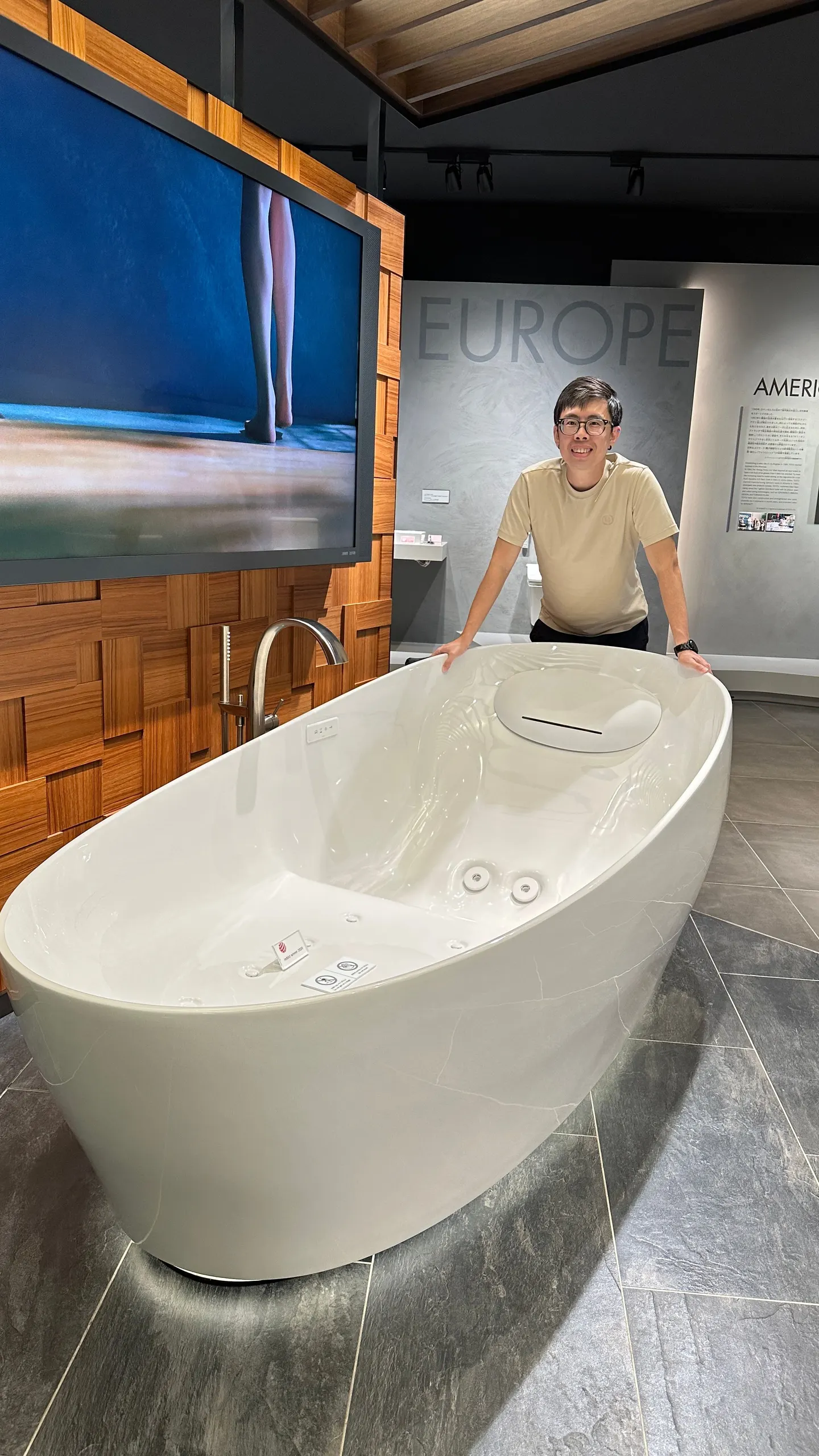
Then the monorail out to the TOTO Museum. TOTO, the company that makes most of Japan’s high-tech toilets, was founded here in Kokura in 1917, and its headquarters has a free museum about toilets. Yes, toilets. And it’s one of the best museums we went to on the whole trip.
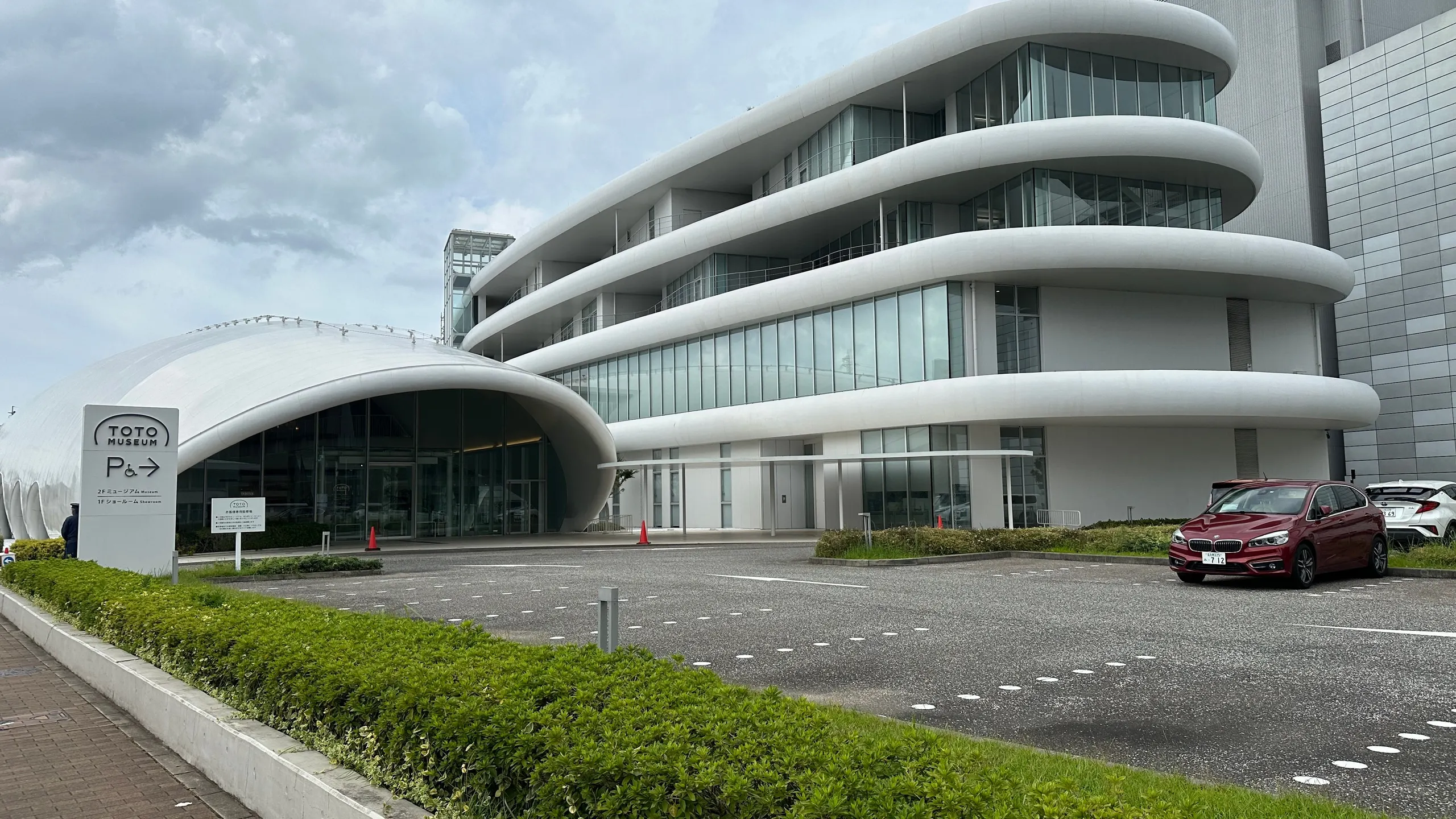
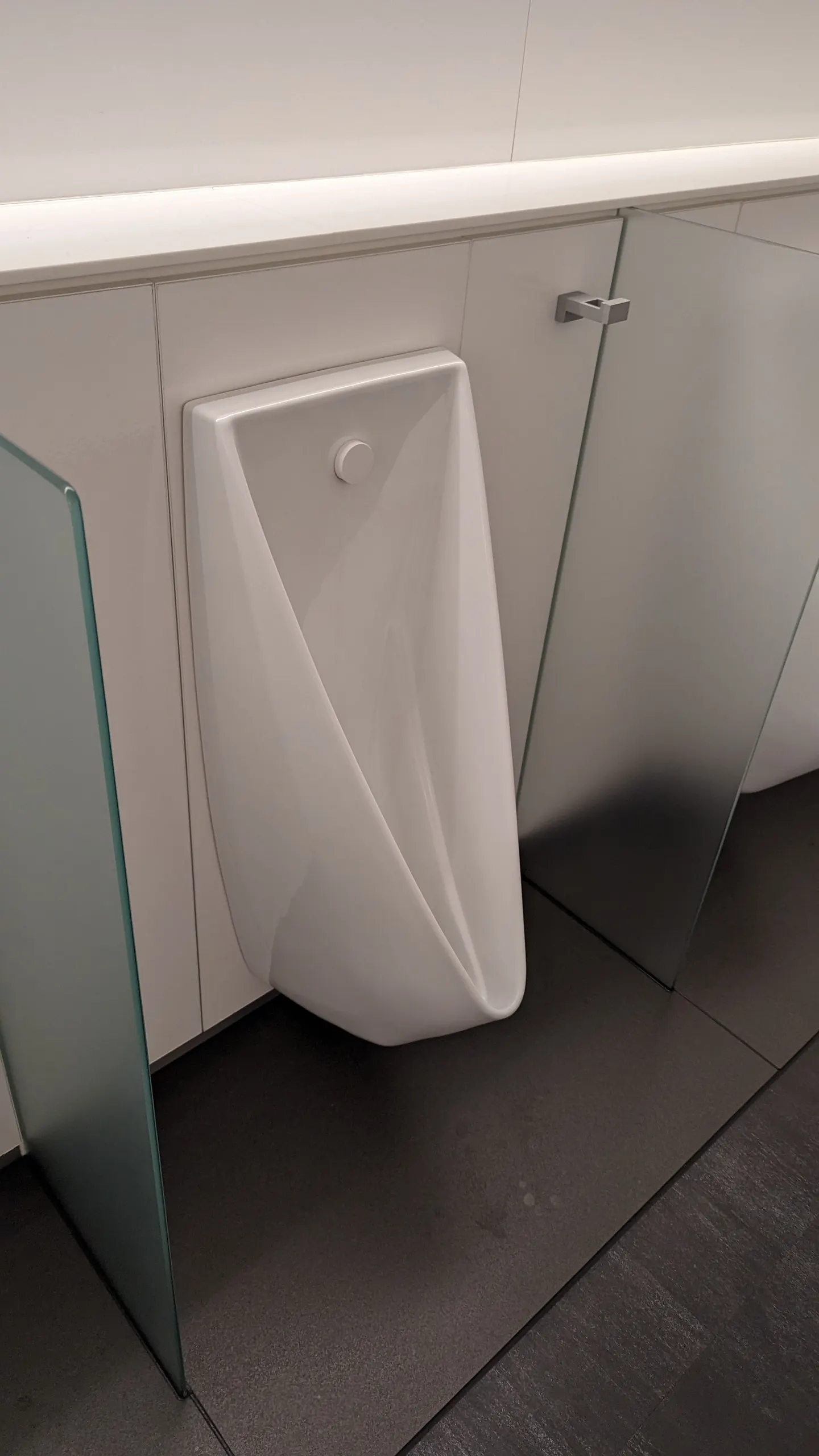
Obviously, we tested the museum’s own toilets first.
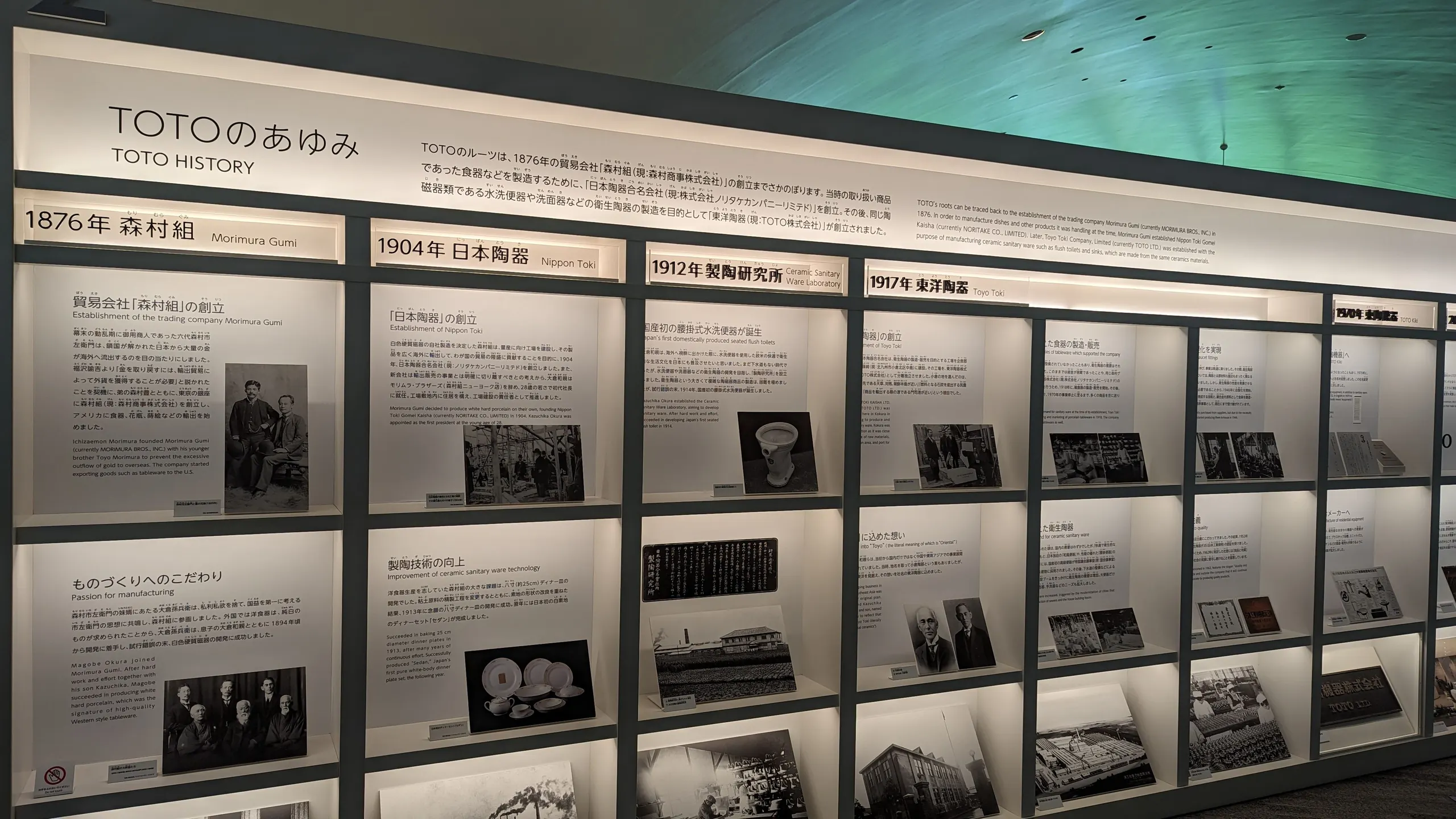
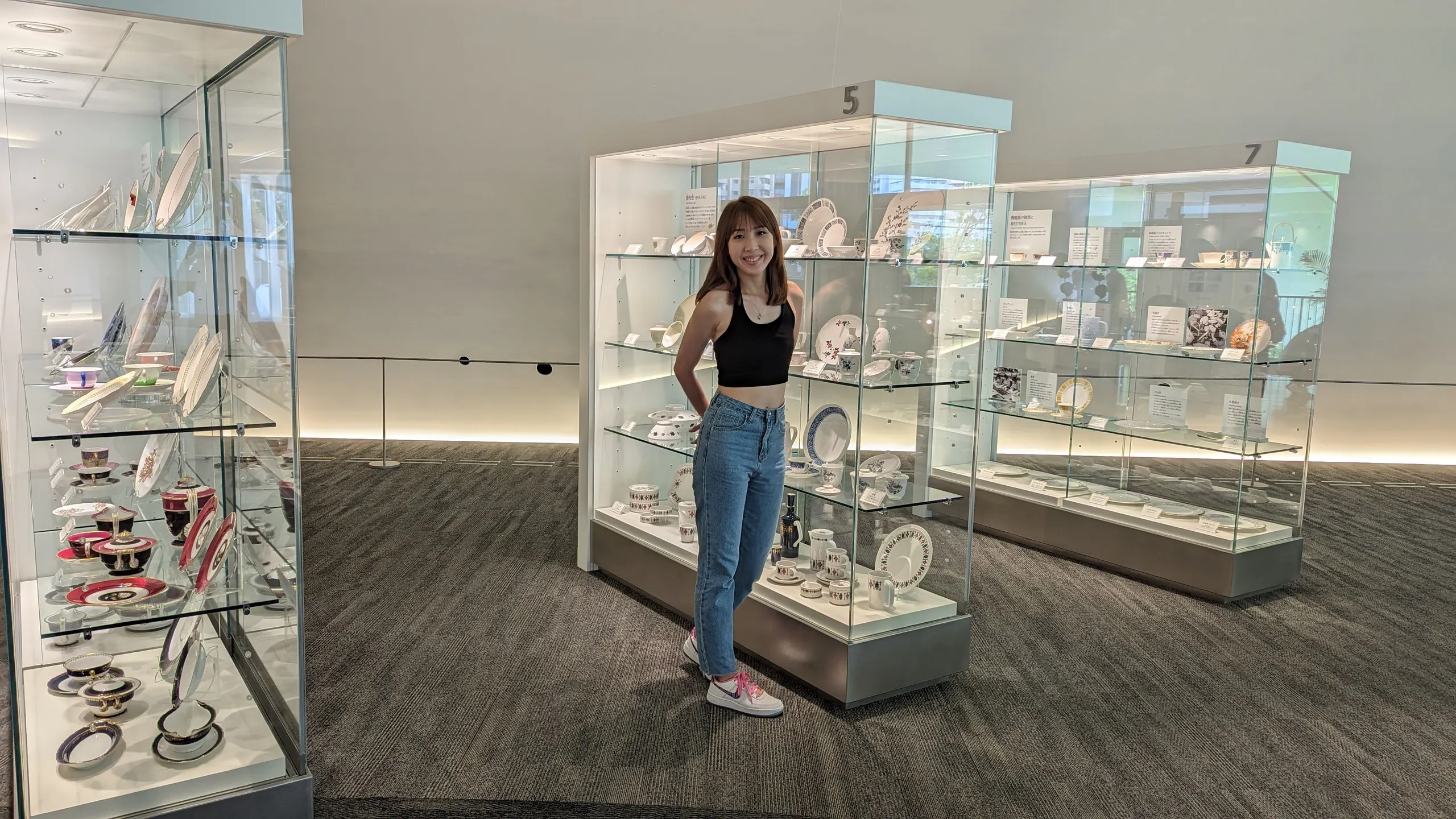
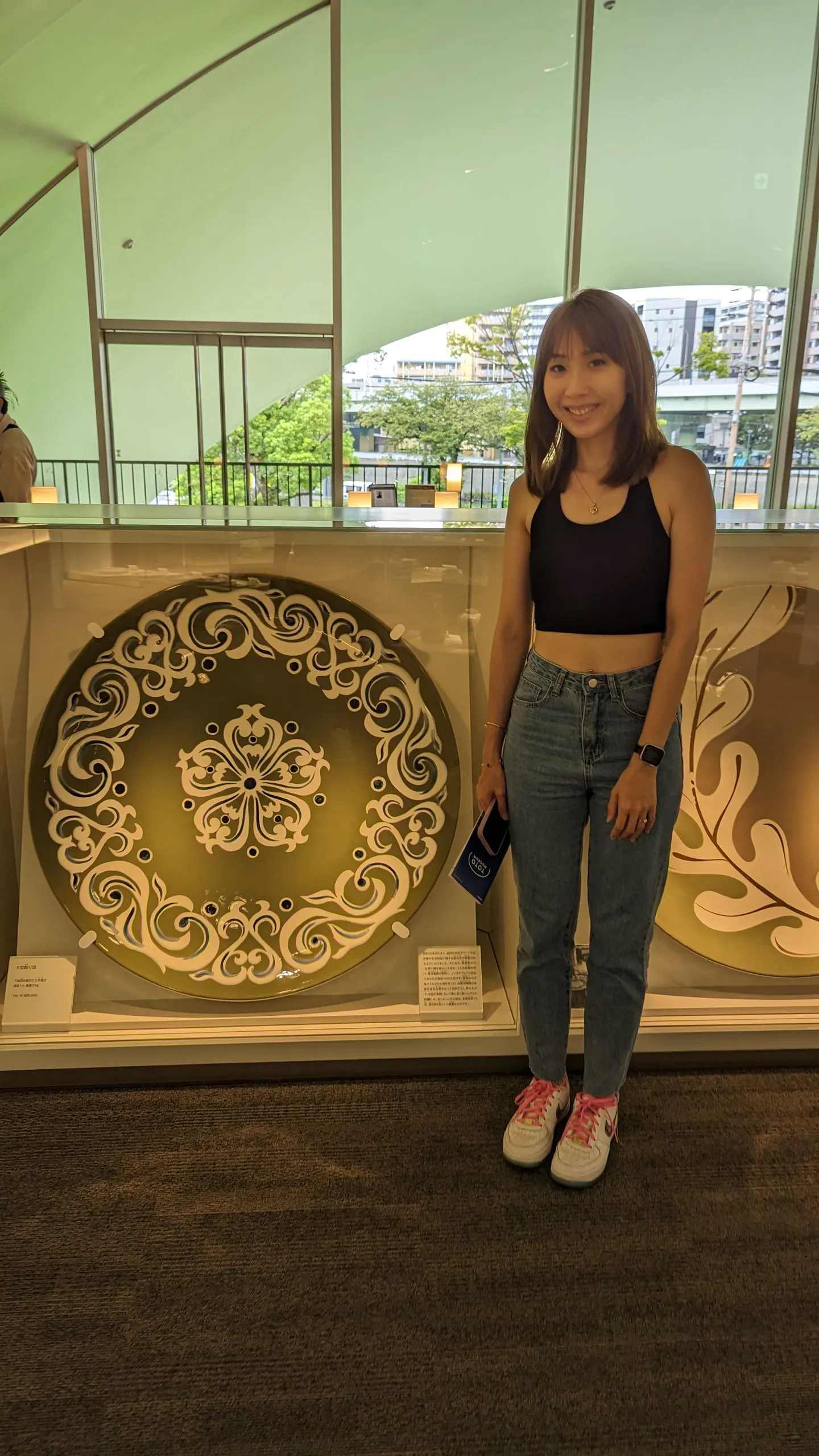
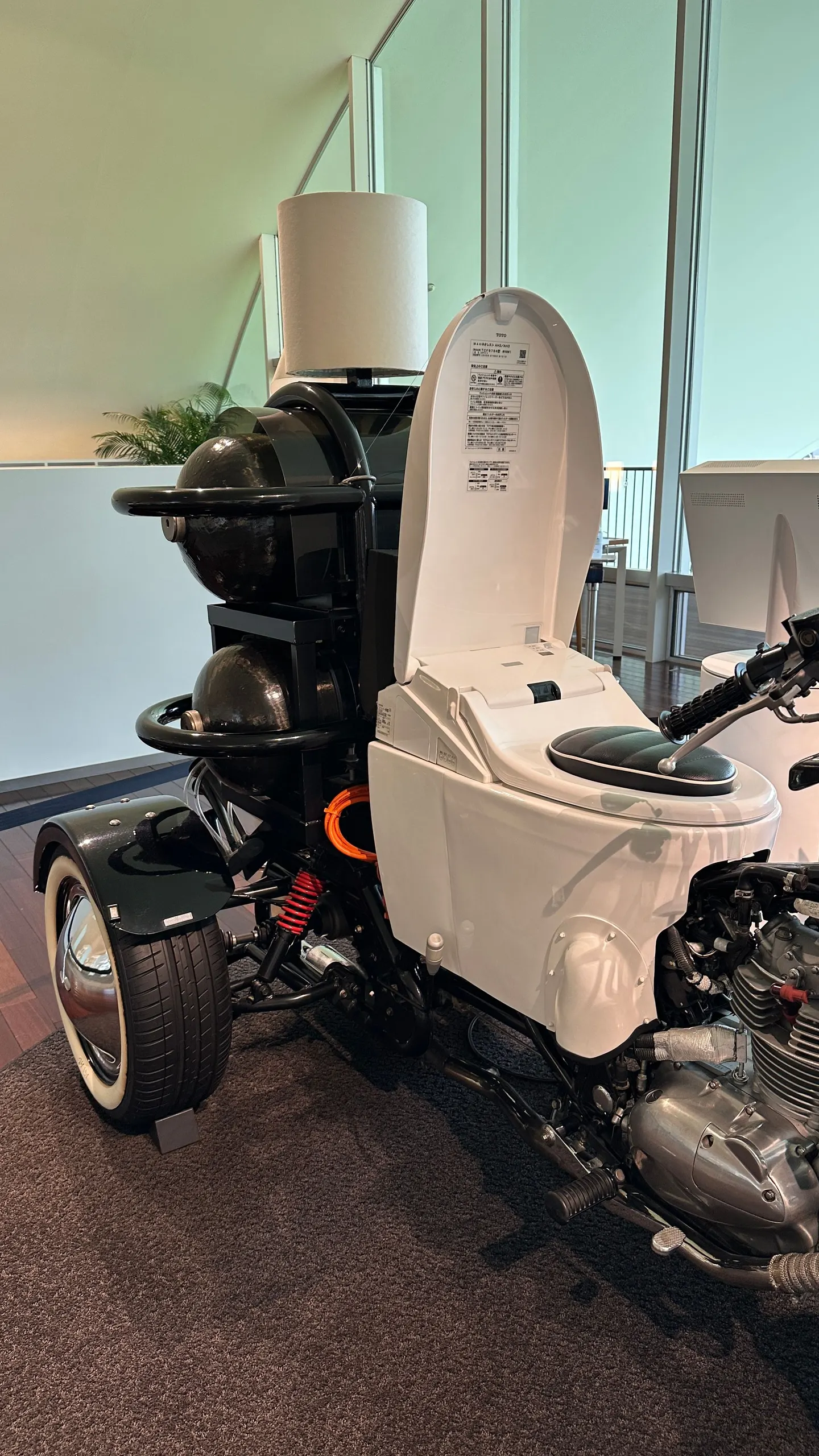
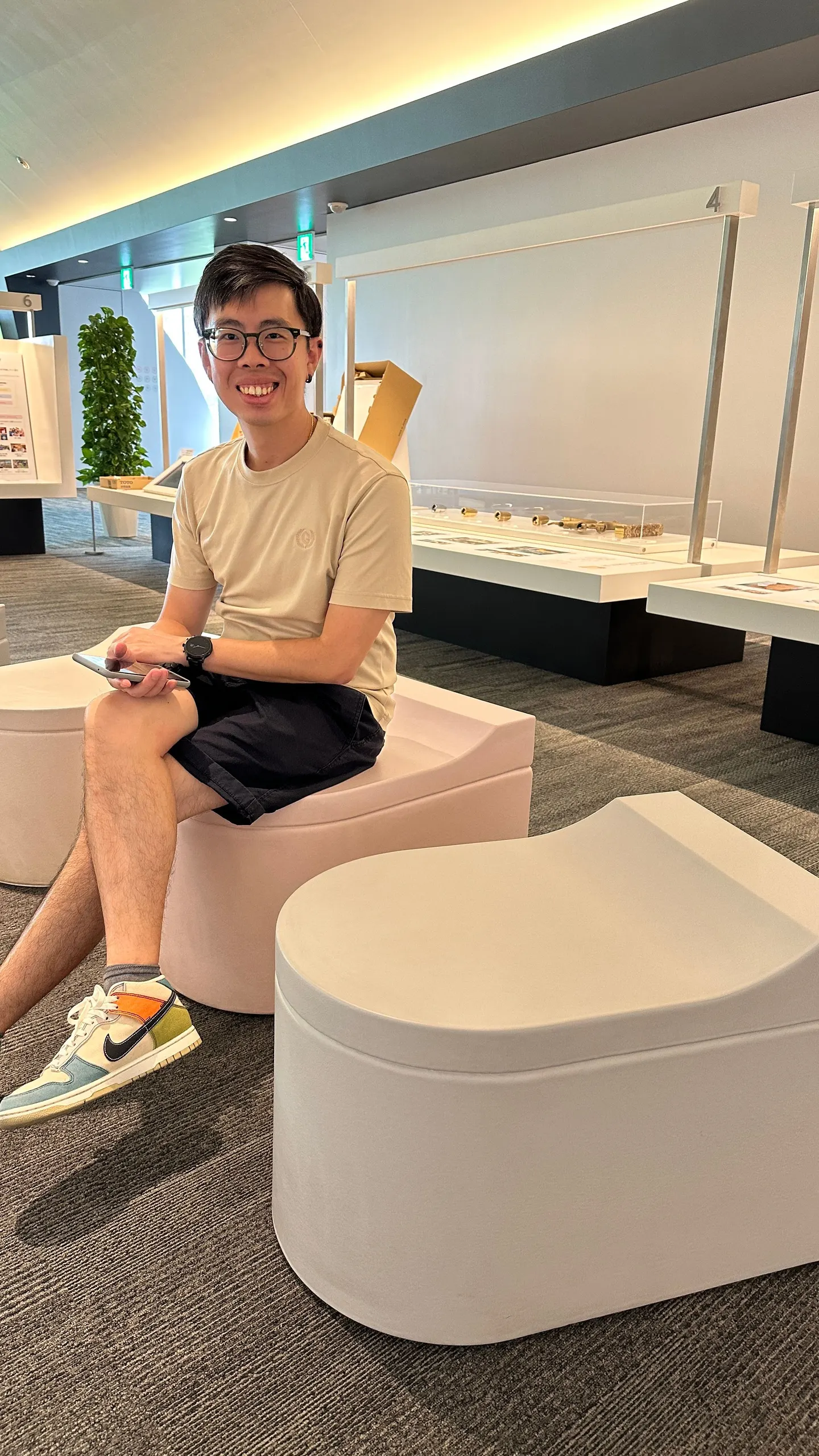
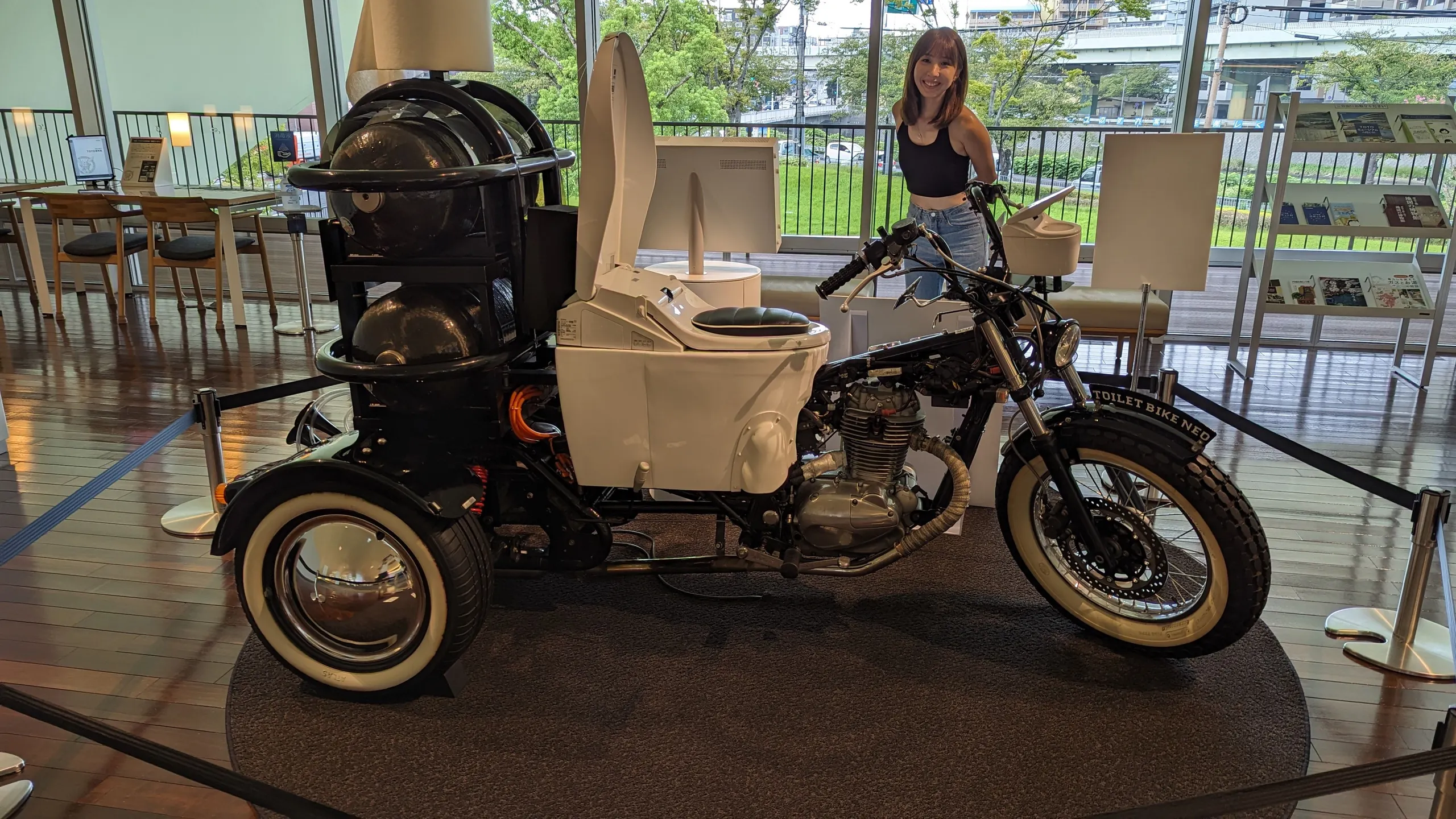
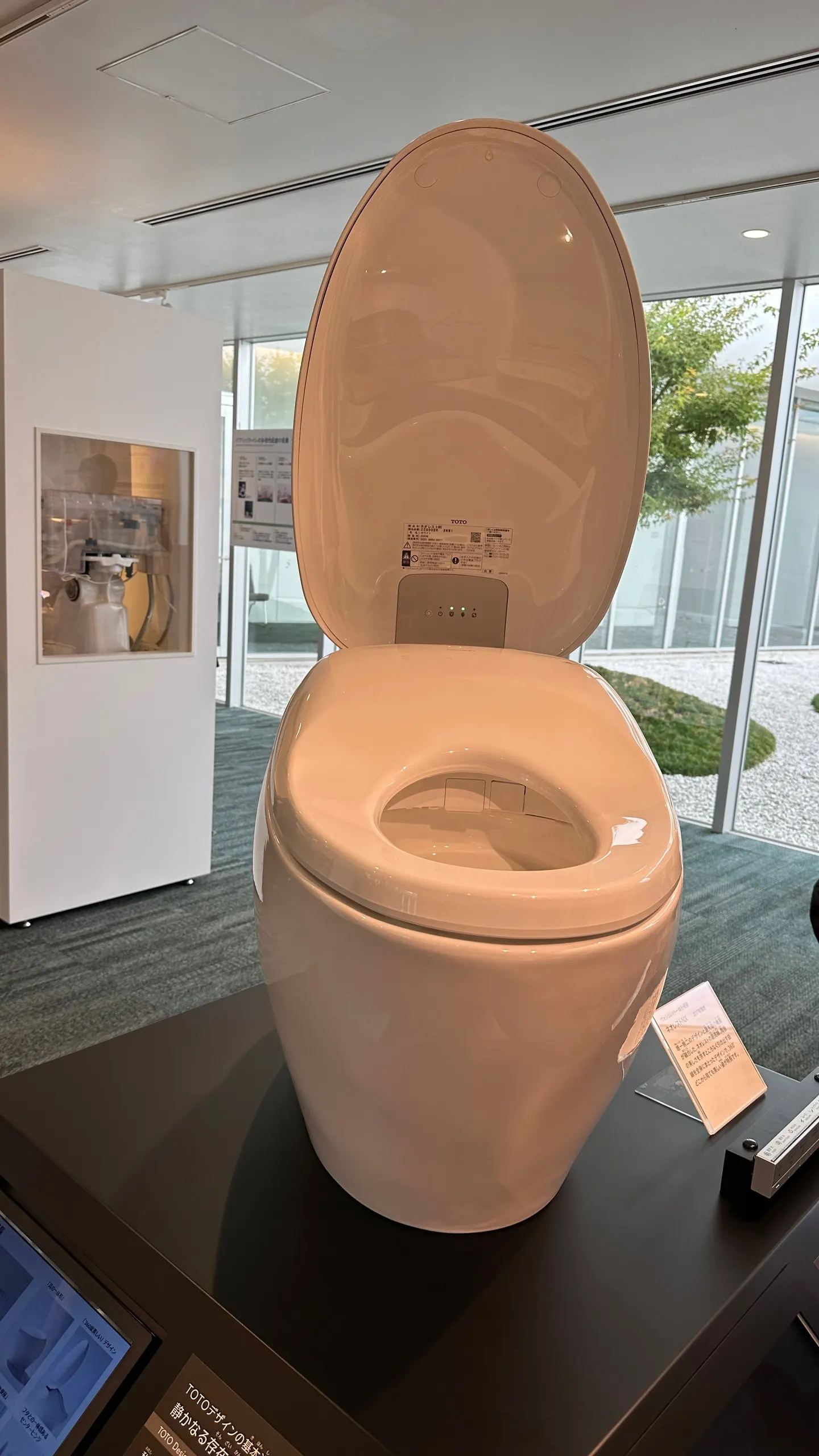
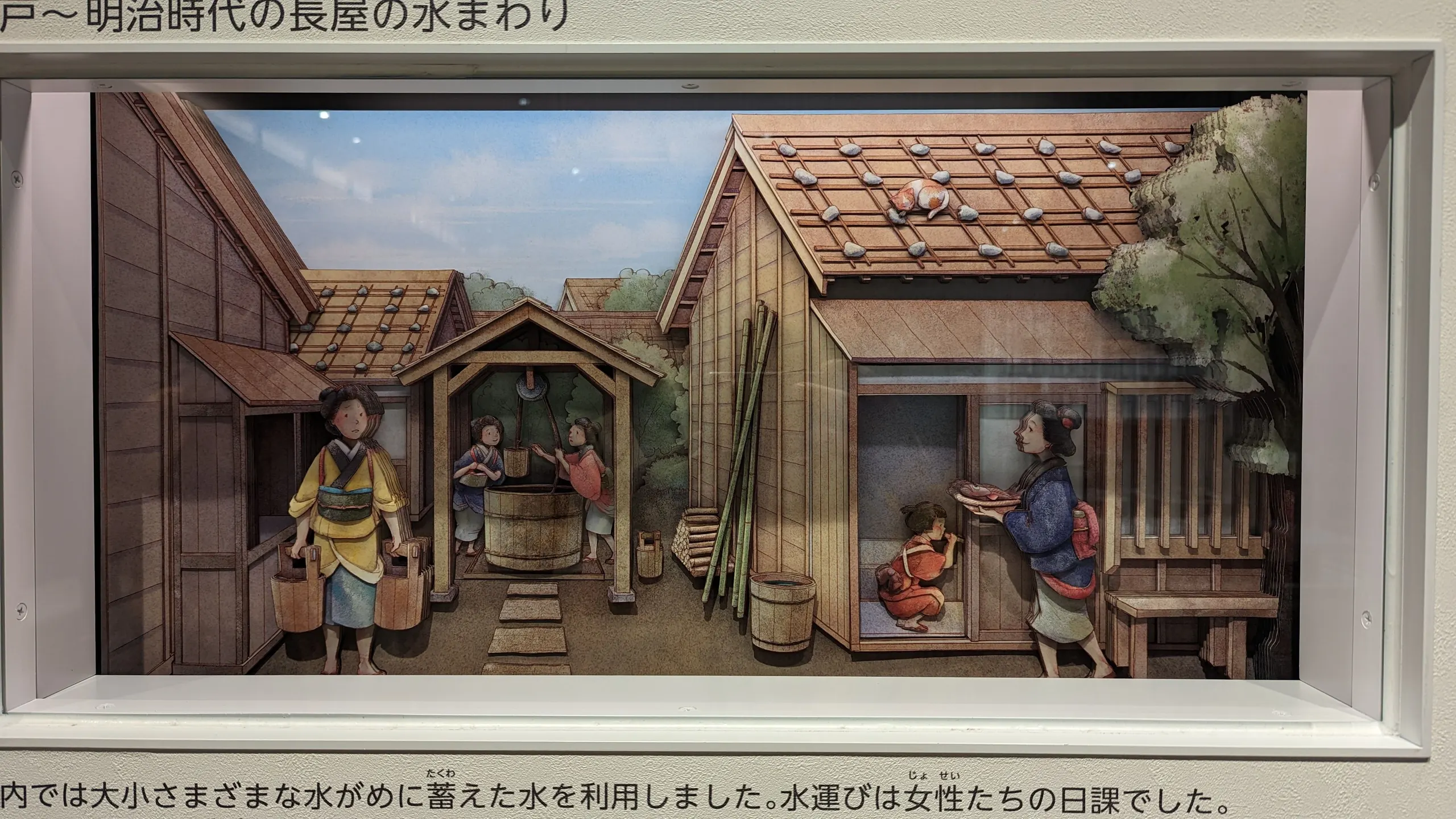
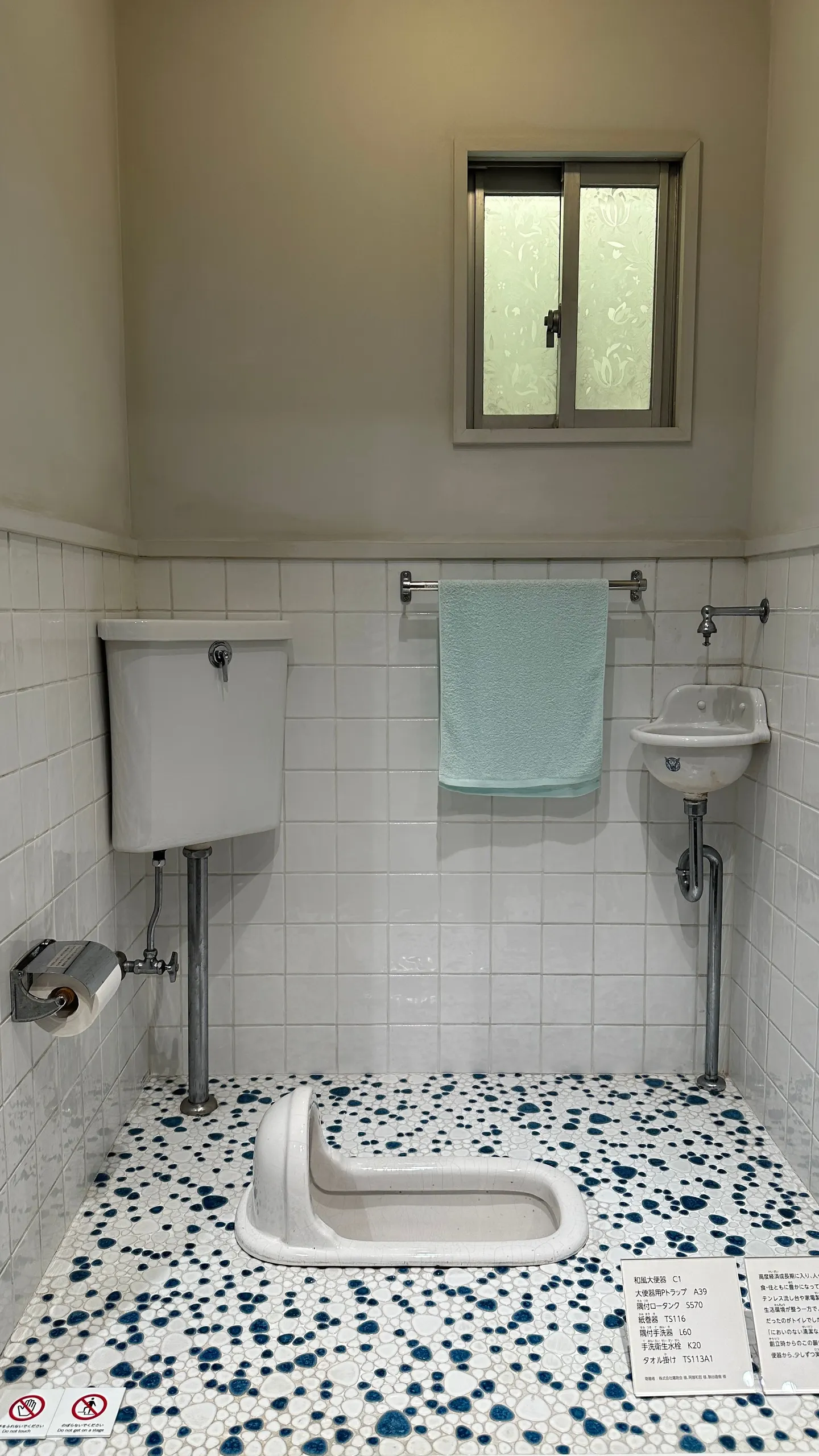
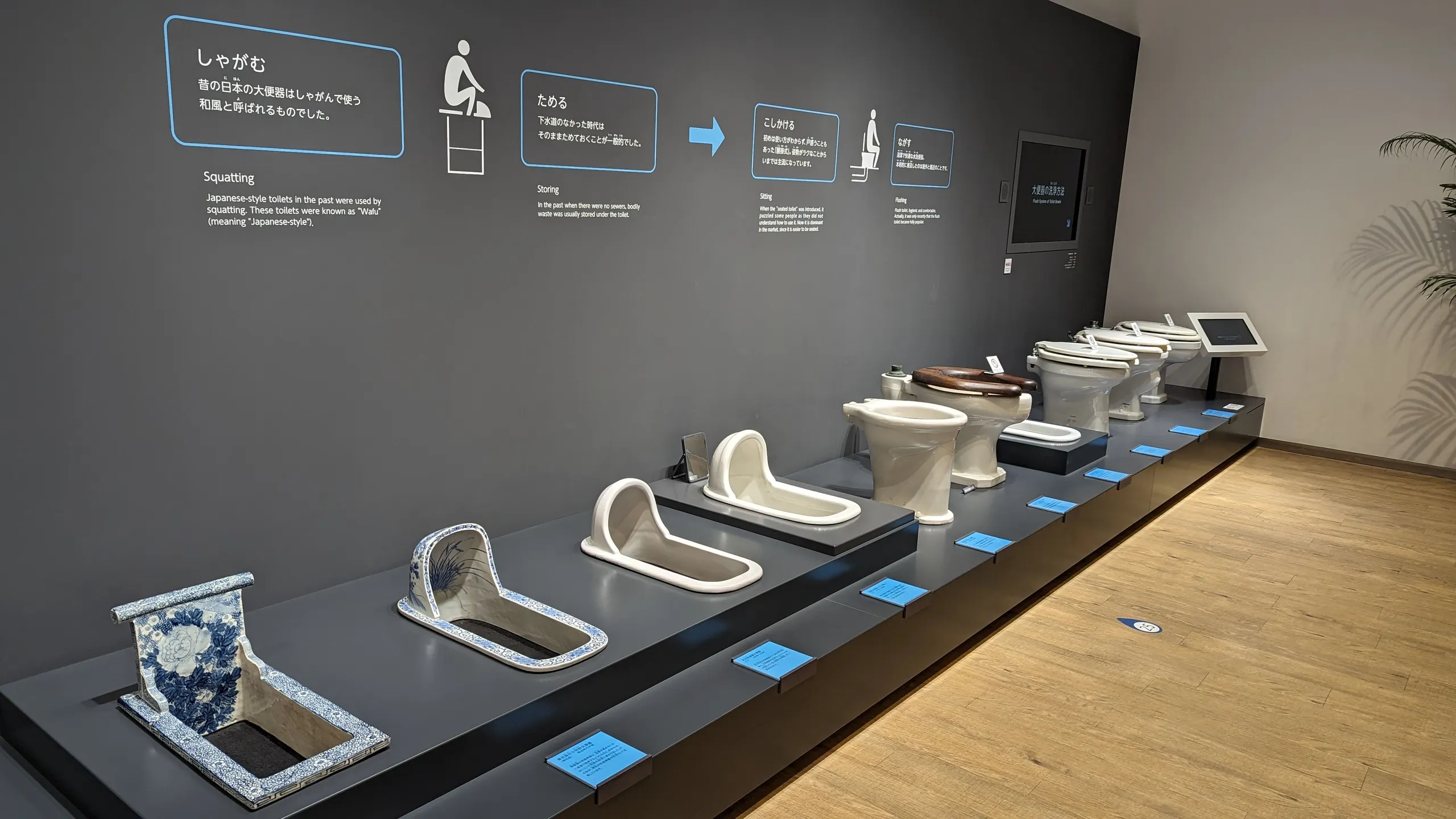
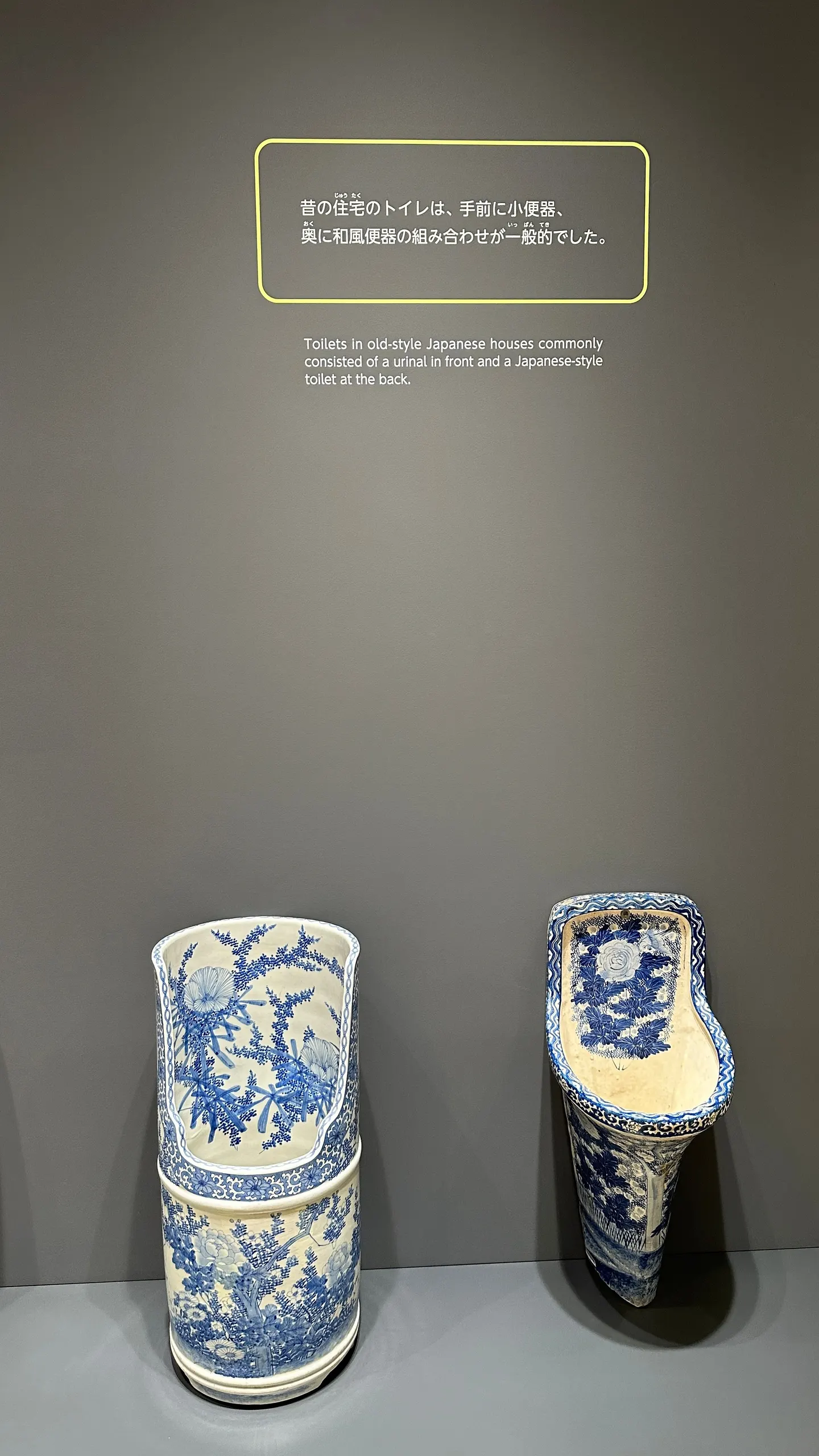
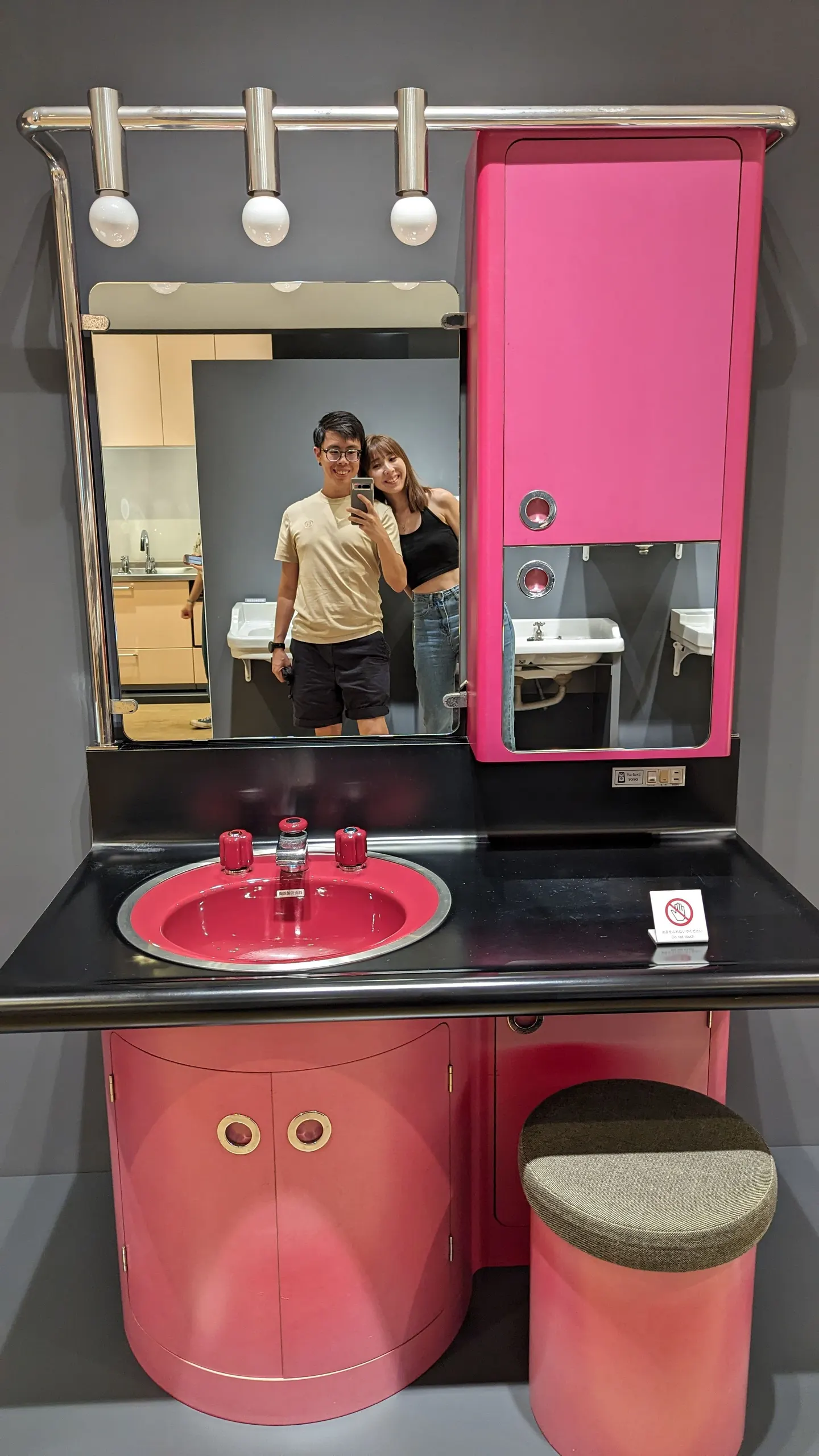
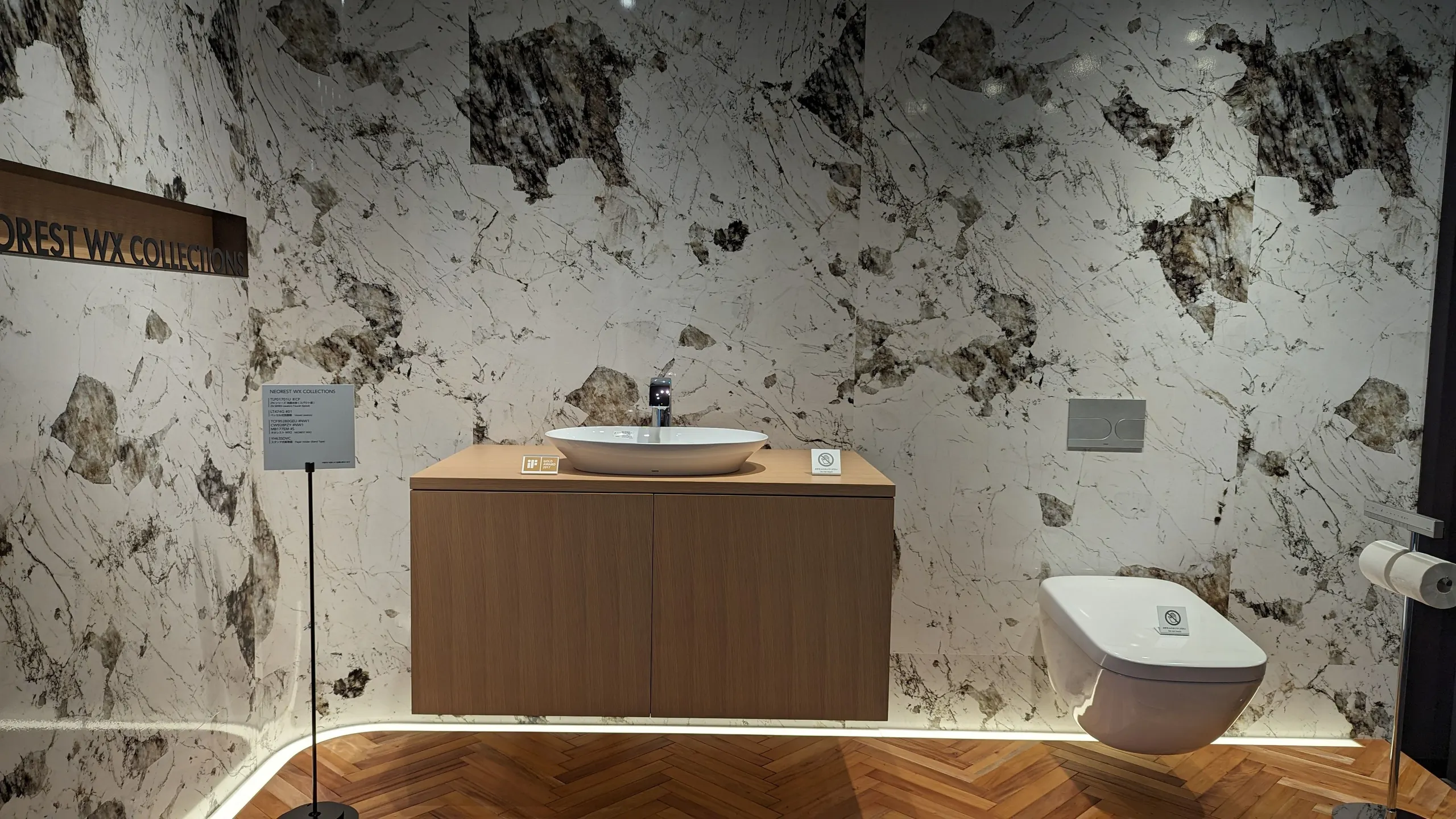
It goes from old squat toilets and outhouses, through the first Western toilets in Japan, to the Washlet, the bidet seat TOTO launched in 1980 that changed everything. There’s even a motorbike with a toilet for a seat. Don’t ask.
Then back to Kokura Station, where a pink Shinkansen was waiting: the Hello Kitty Shinkansen.
Information About the TOTO Museum
TOTO's free museum at its headquarters in Kokura, where the company started in 1917: the history of the Japanese toilet, from squat toilets to the Washlet.