Into Kyushu
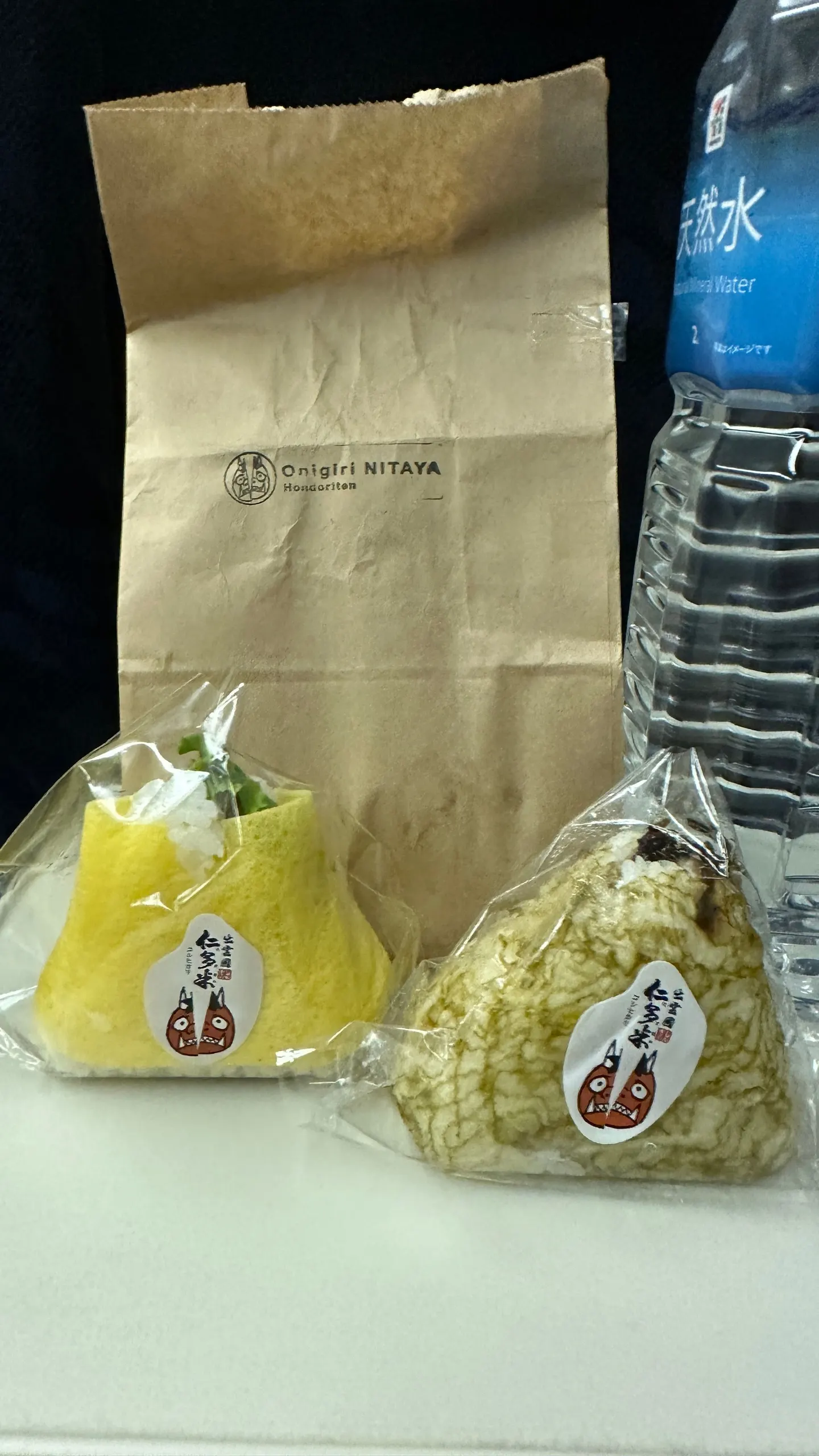
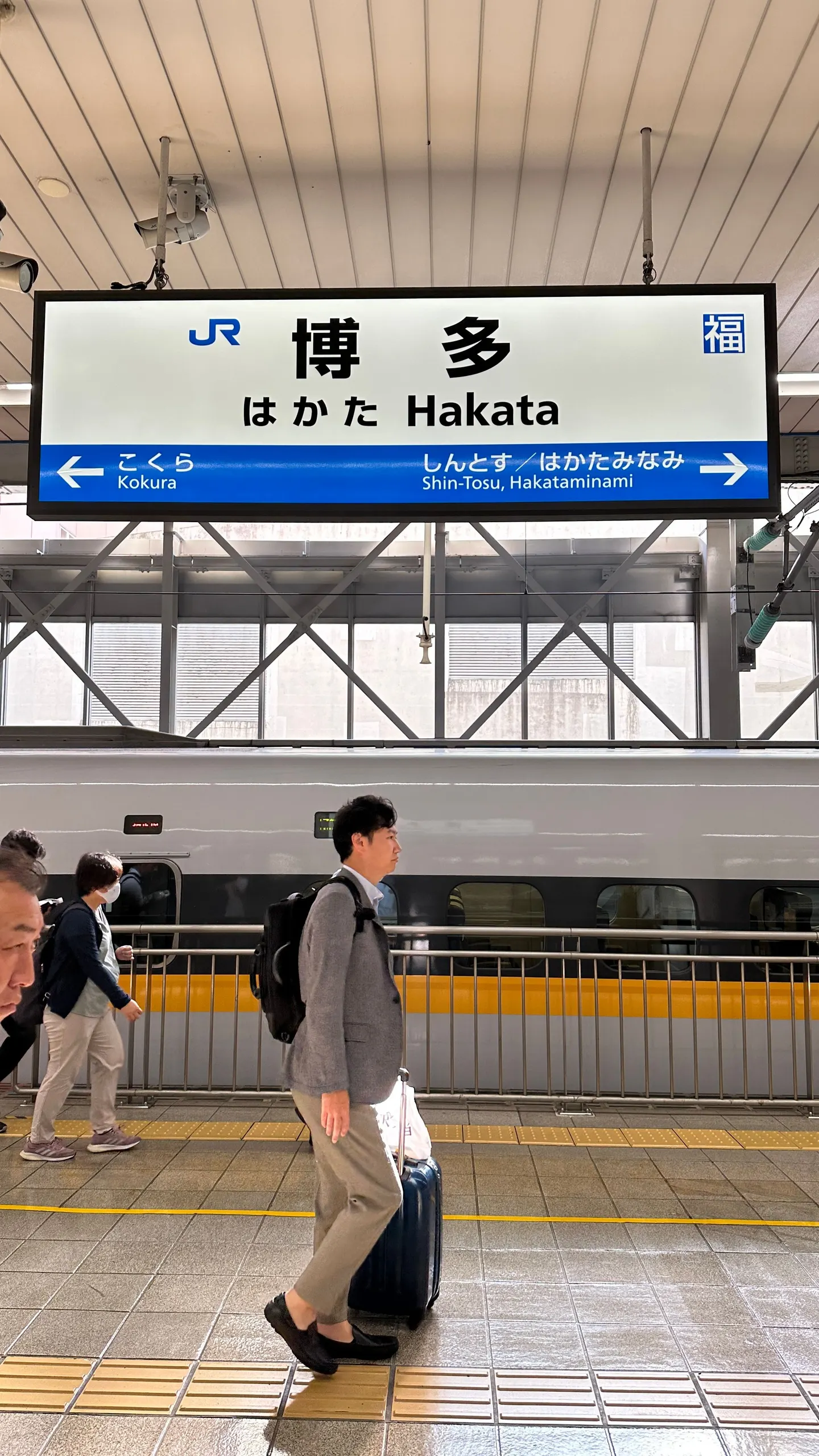
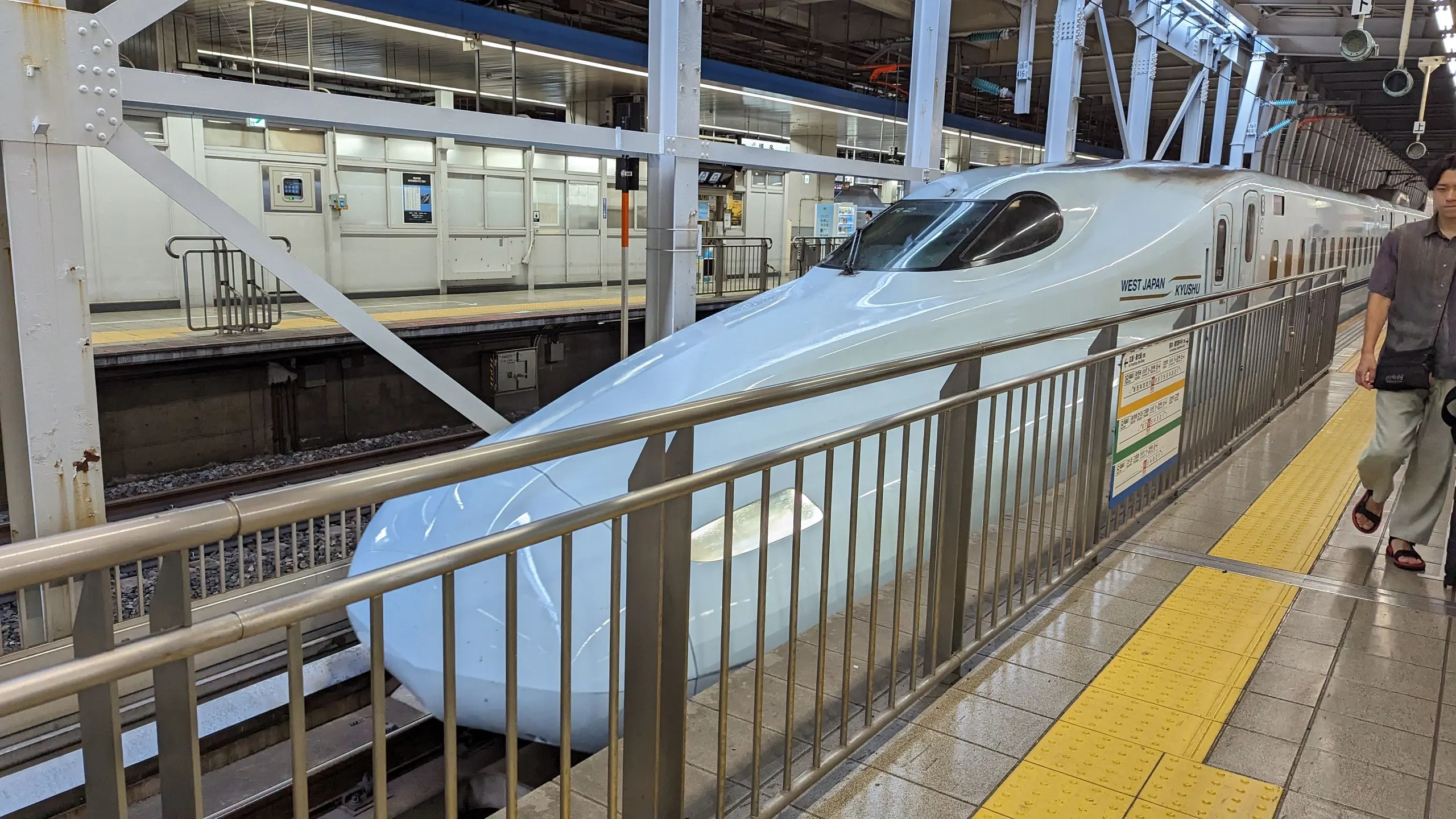
Day 12, and we left Honshu. Onigiri for breakfast, then the Shinkansen from Hiroshima to Hakata in about an hour. Fukuoka was our base for the last four nights.
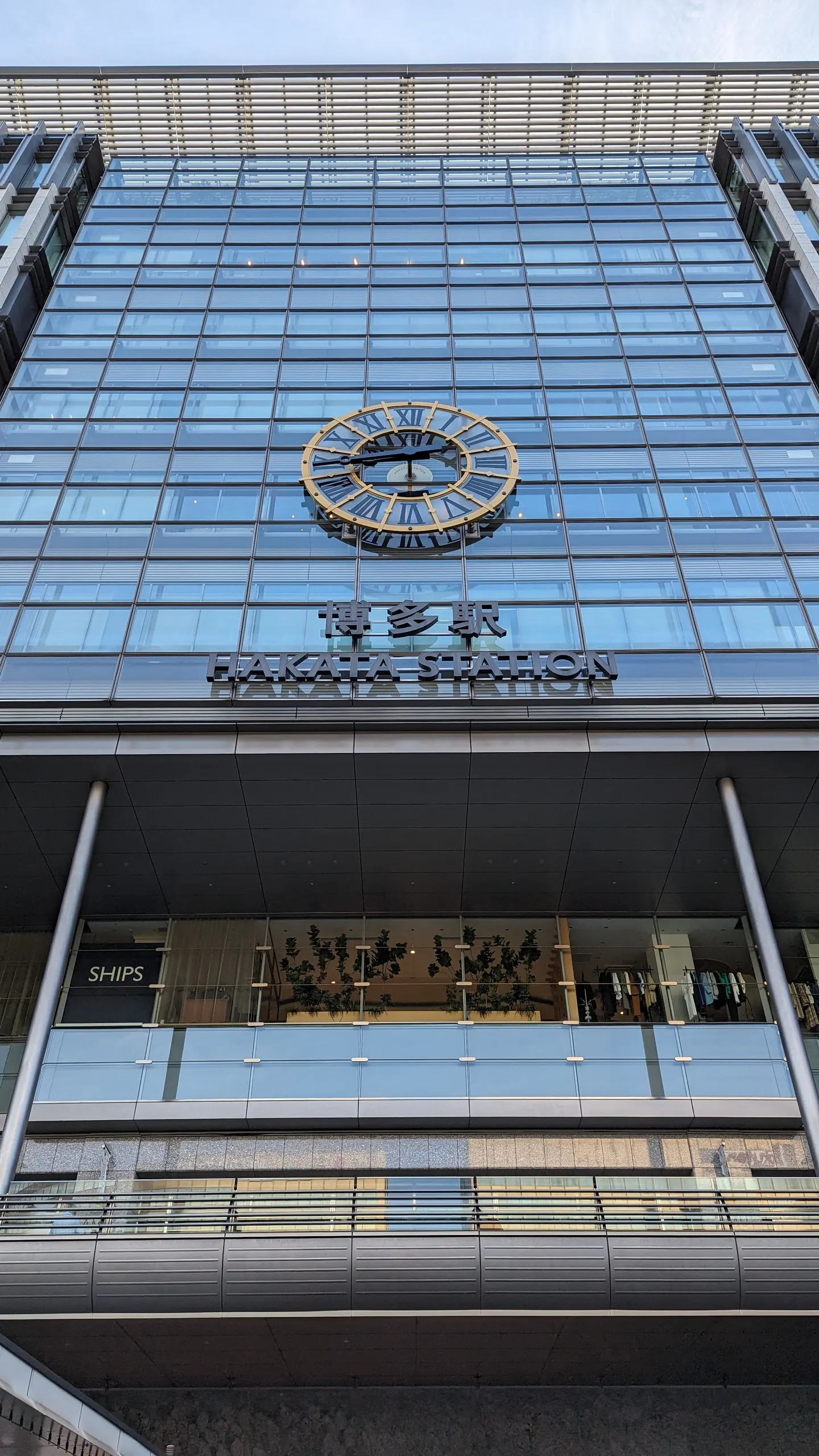
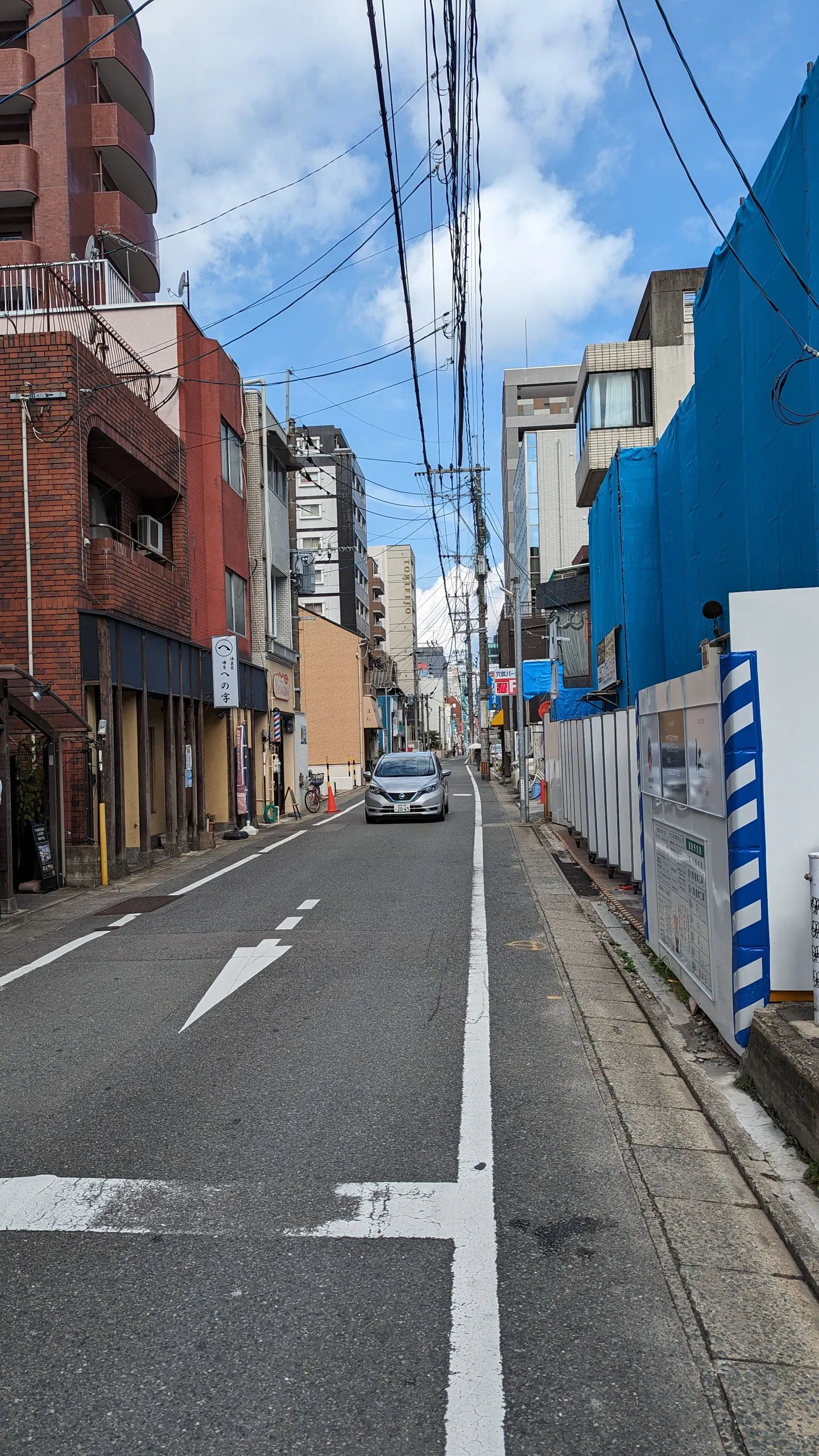
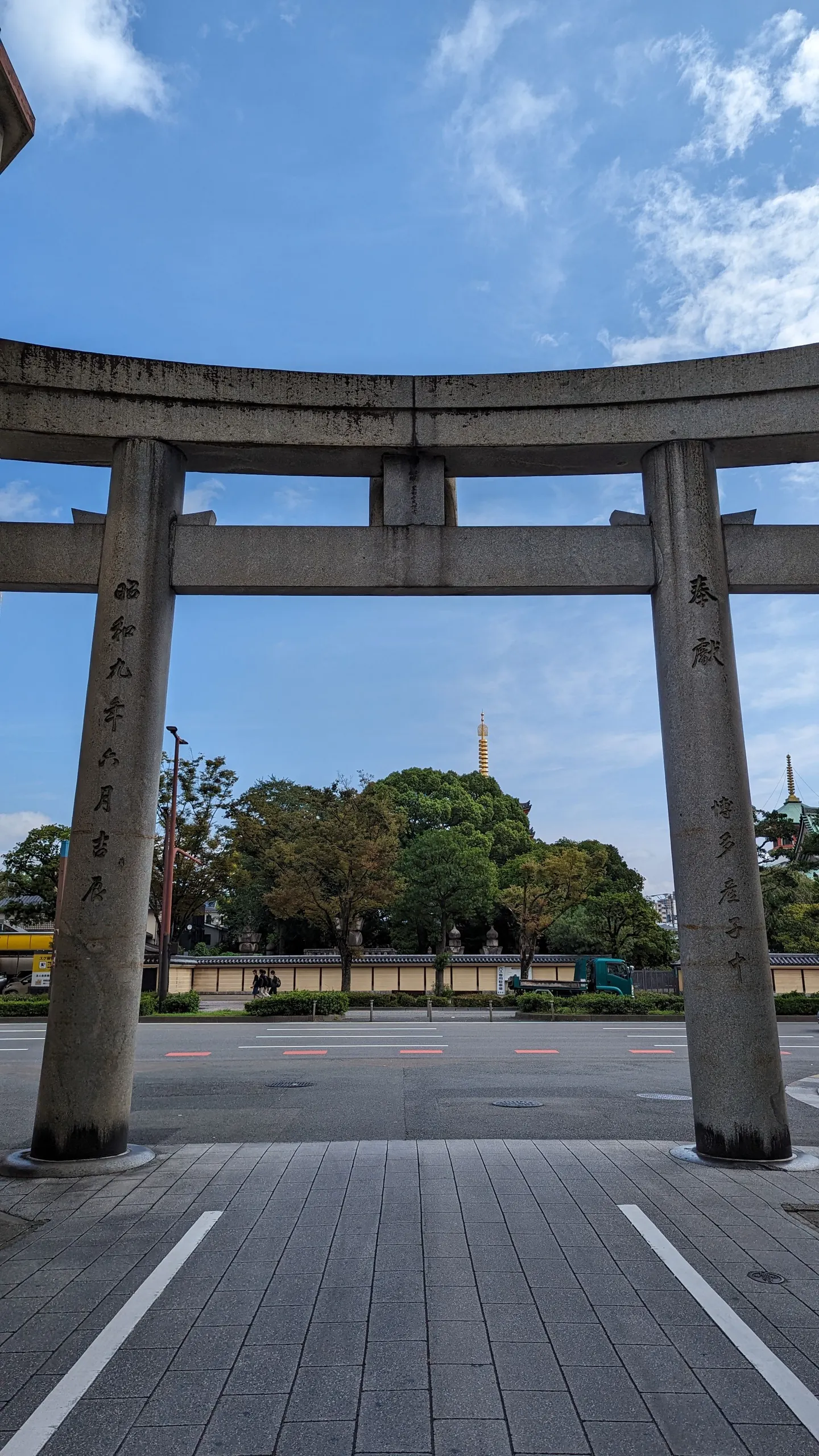
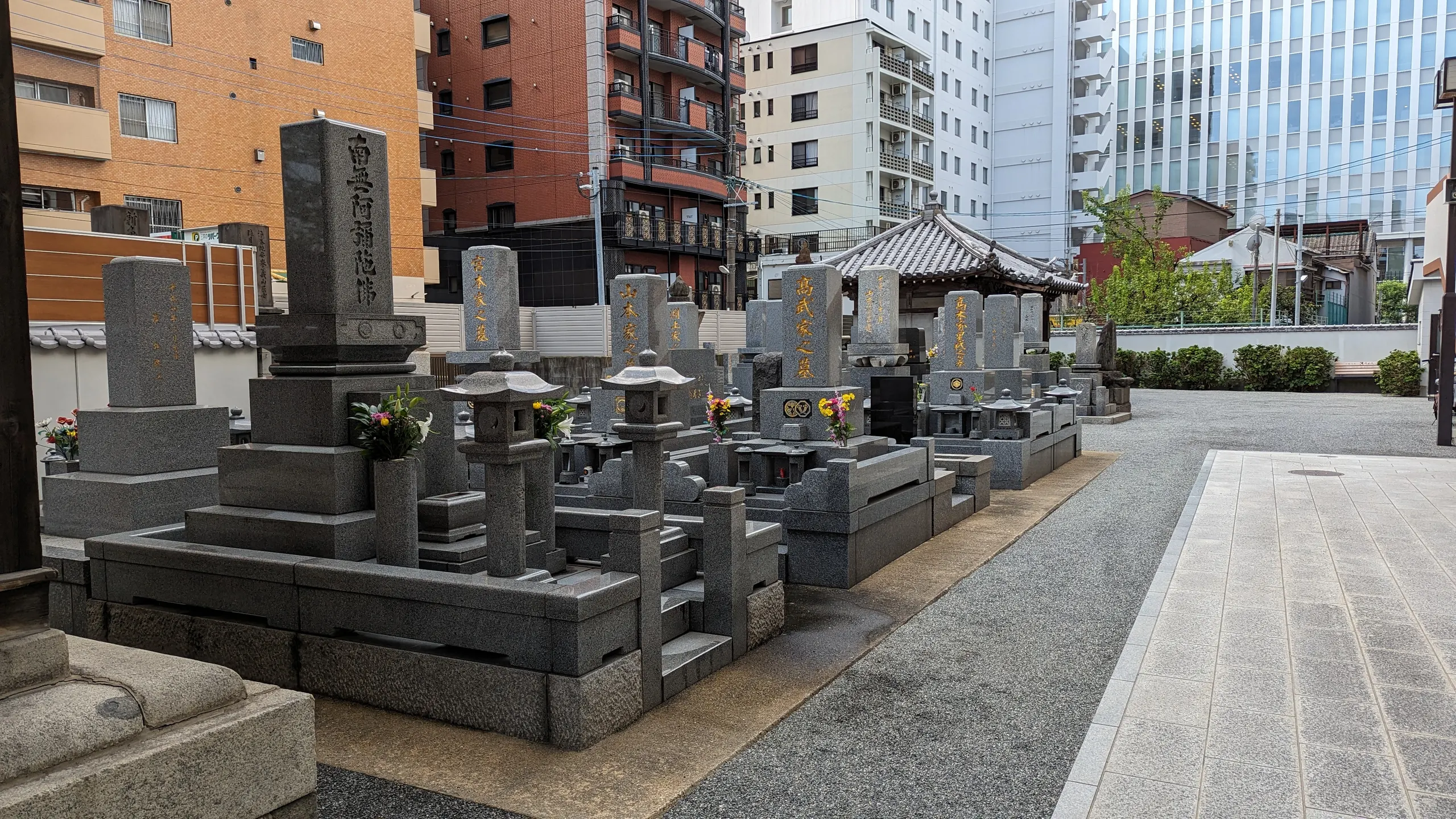
We dropped the bags and had a short walk around Hakata’s temple area while the city woke up. The temples here are squeezed in between office blocks, so you turn a corner from a glass tower straight into a stone torii.
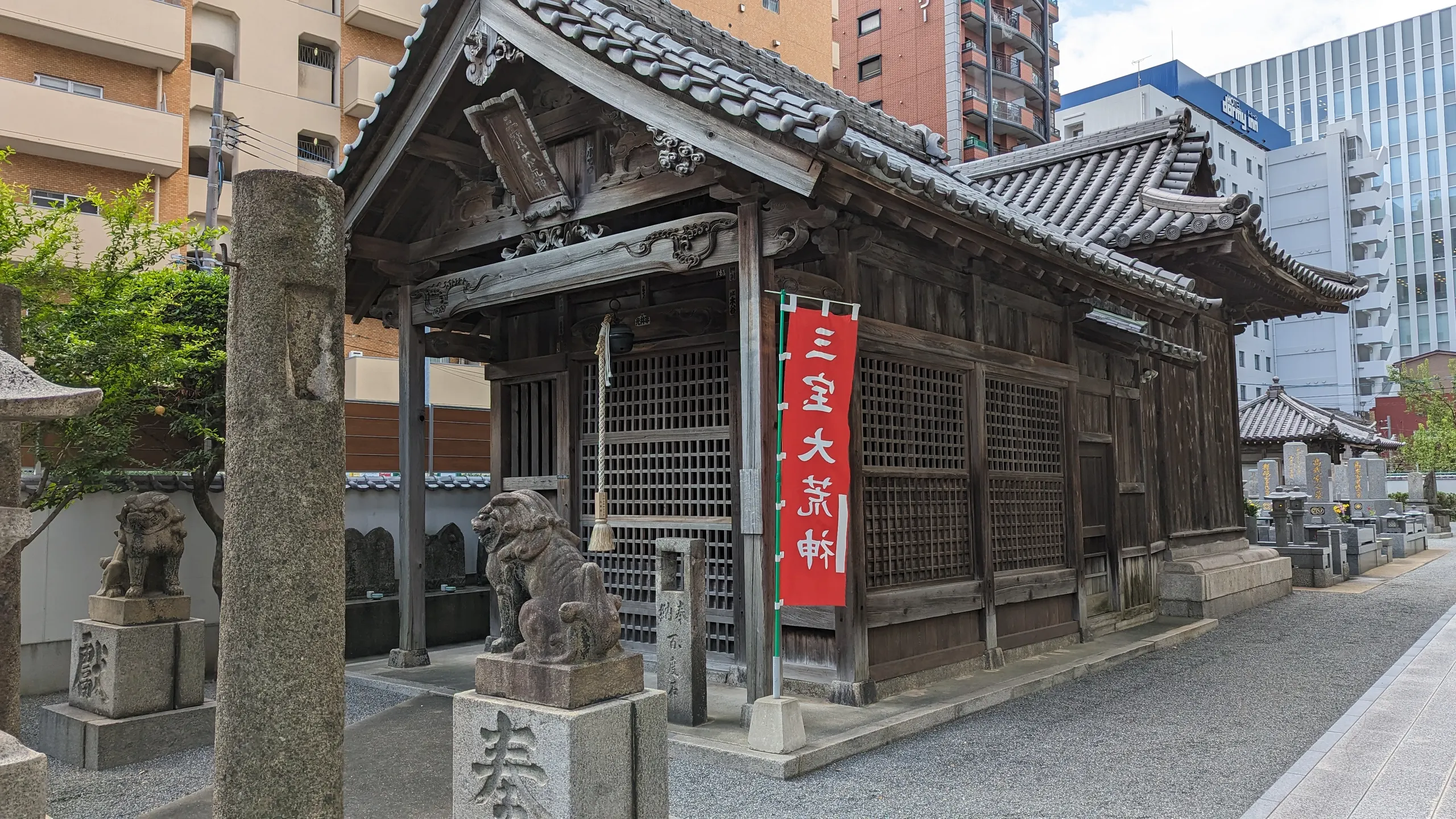
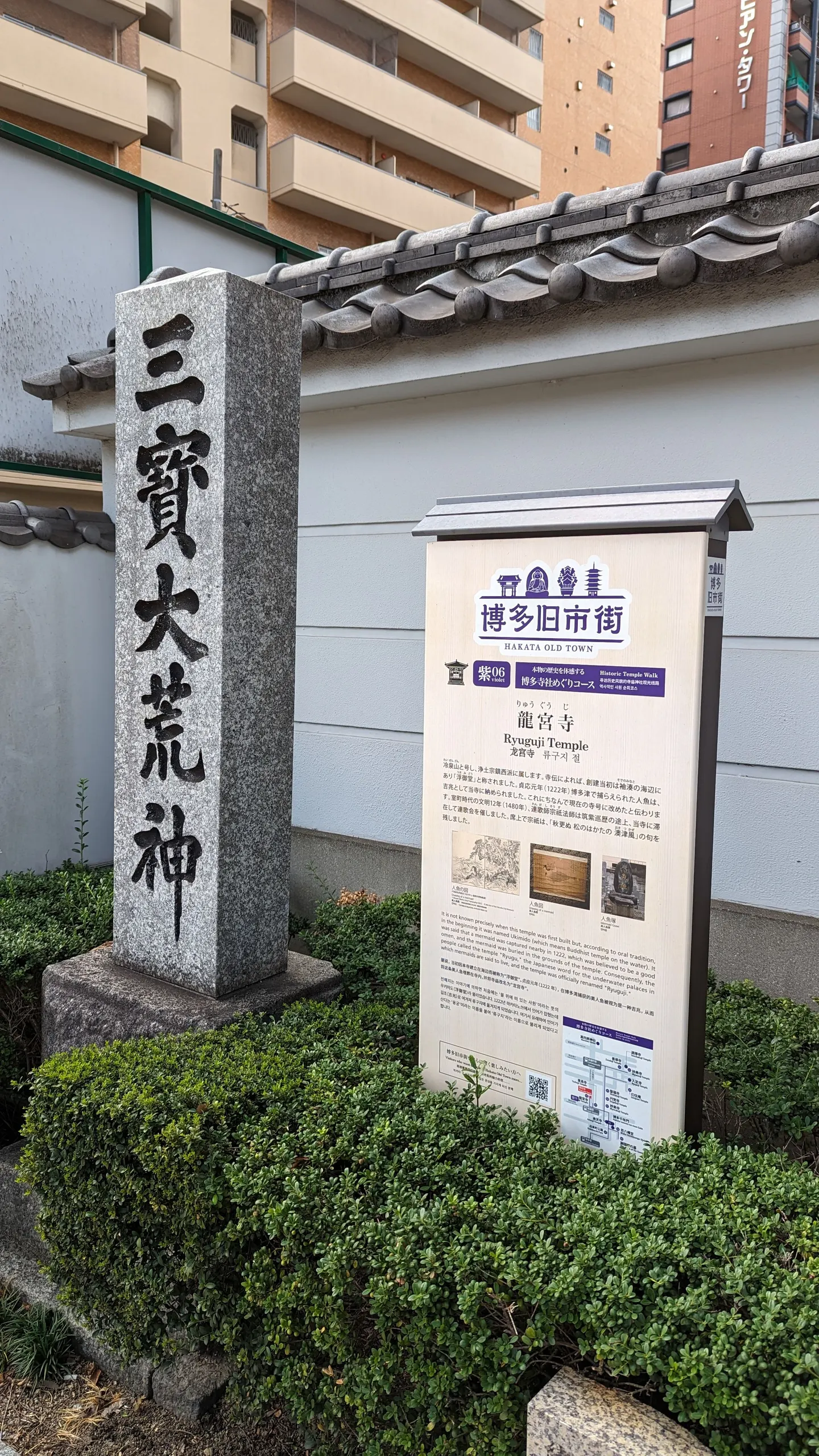
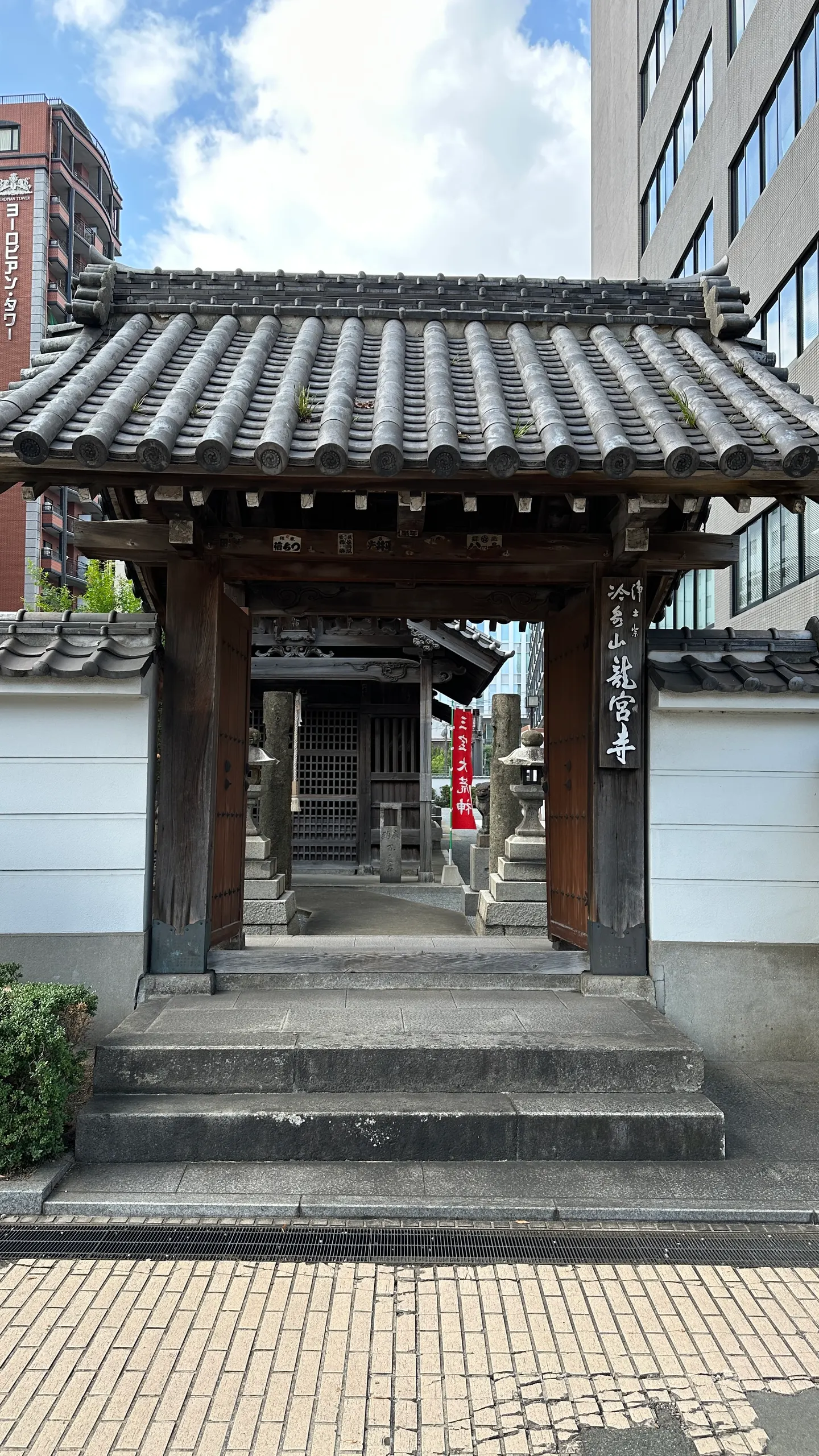
One of them was a tiny shrine to Sanbō Kōjin, the god of the kitchen stove. Round the corner, a temple gate and a little graveyard, right in the middle of the city.
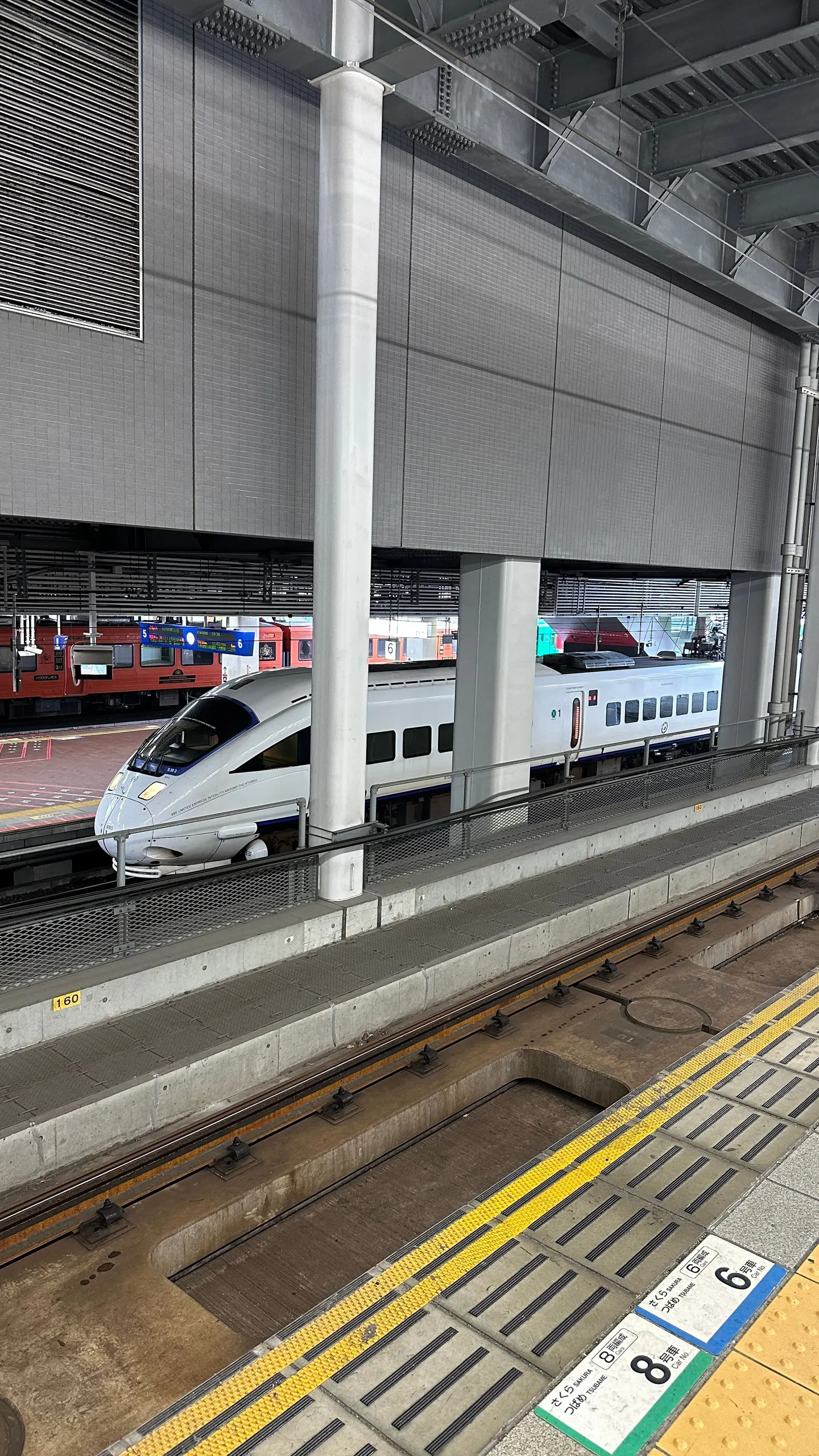
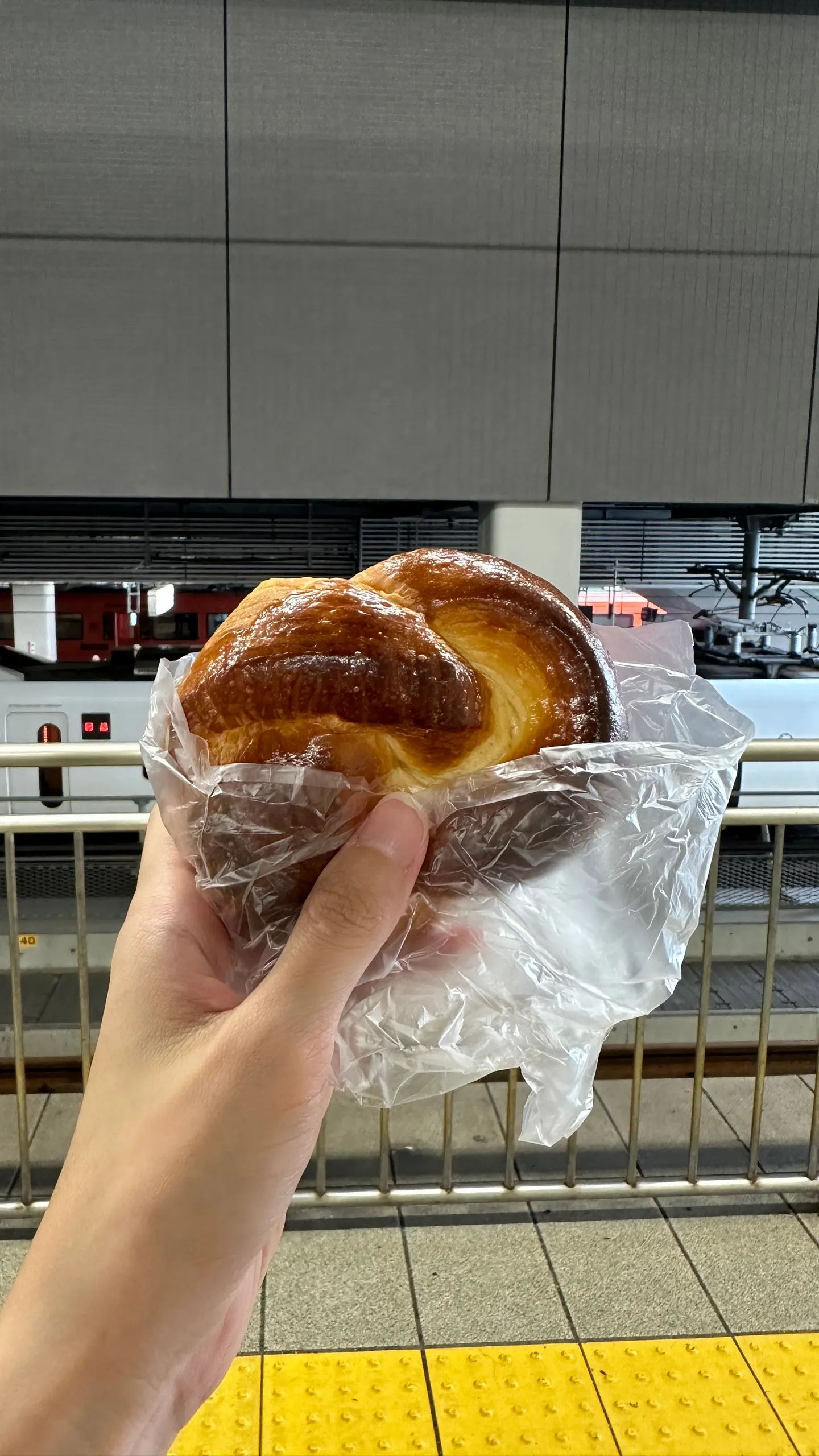
Then straight back on the Shinkansen, 15 minutes up the line to Kokura, with a pastry from Hakata Station for the road.
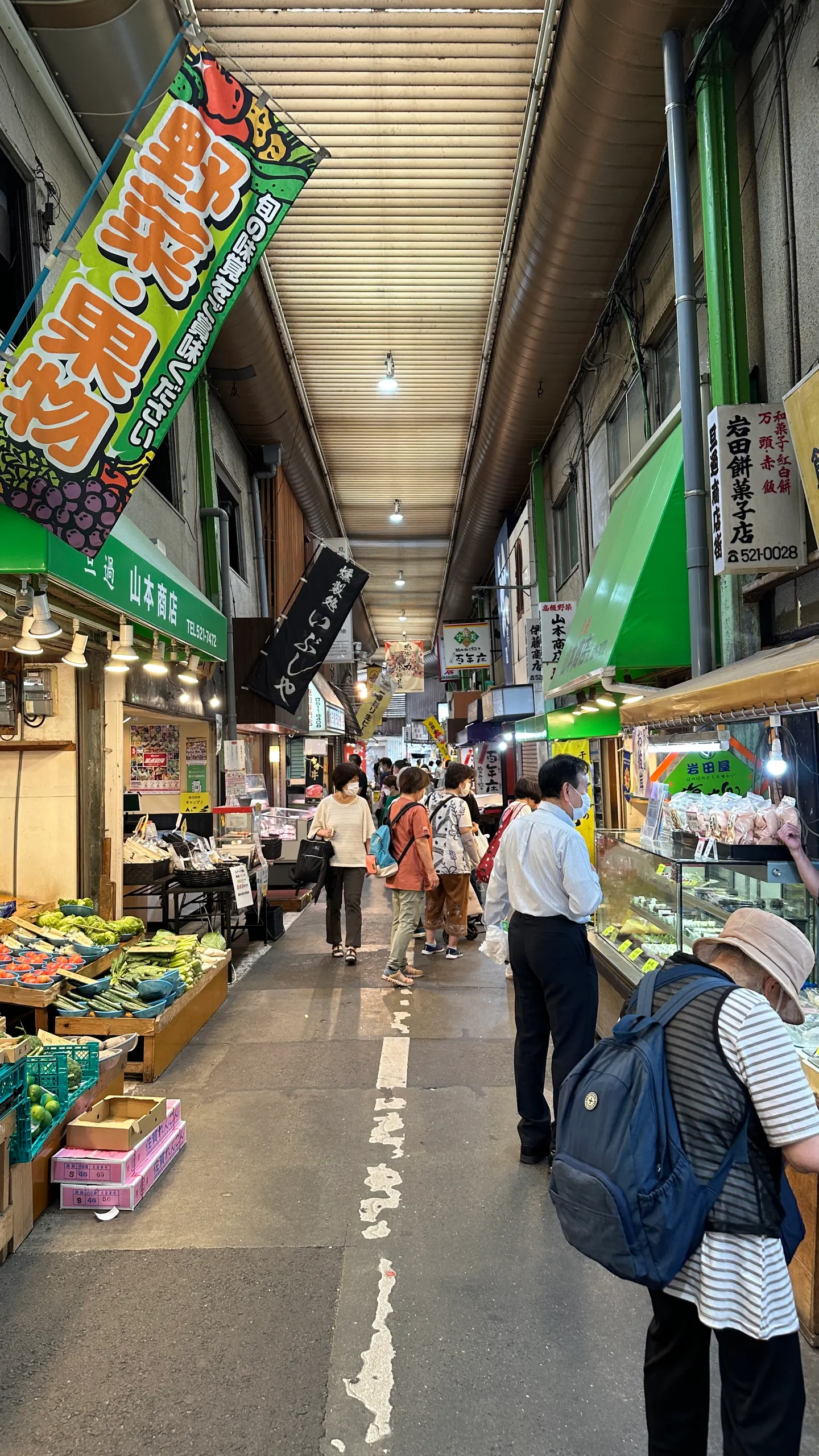
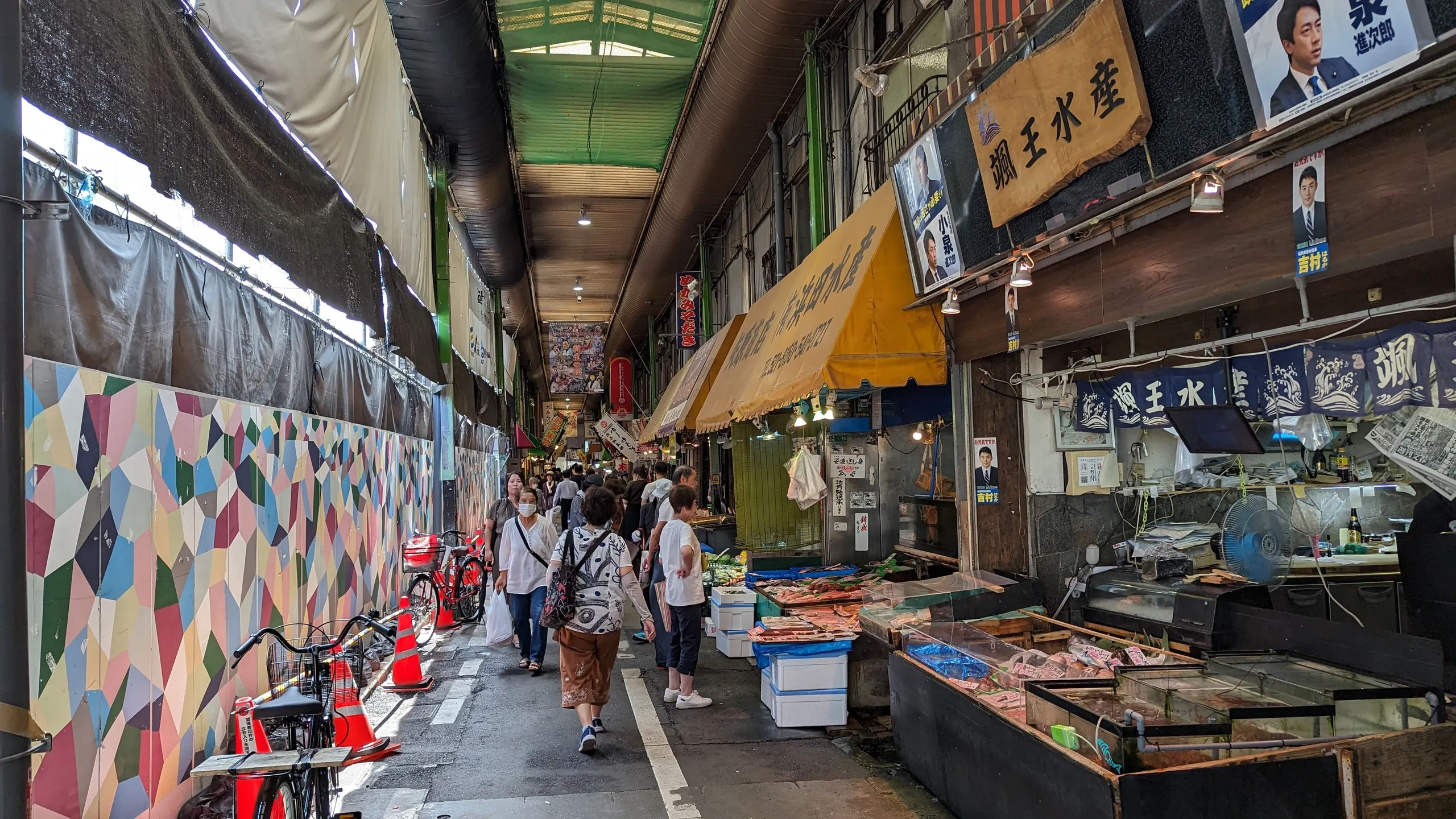
Tanga Market
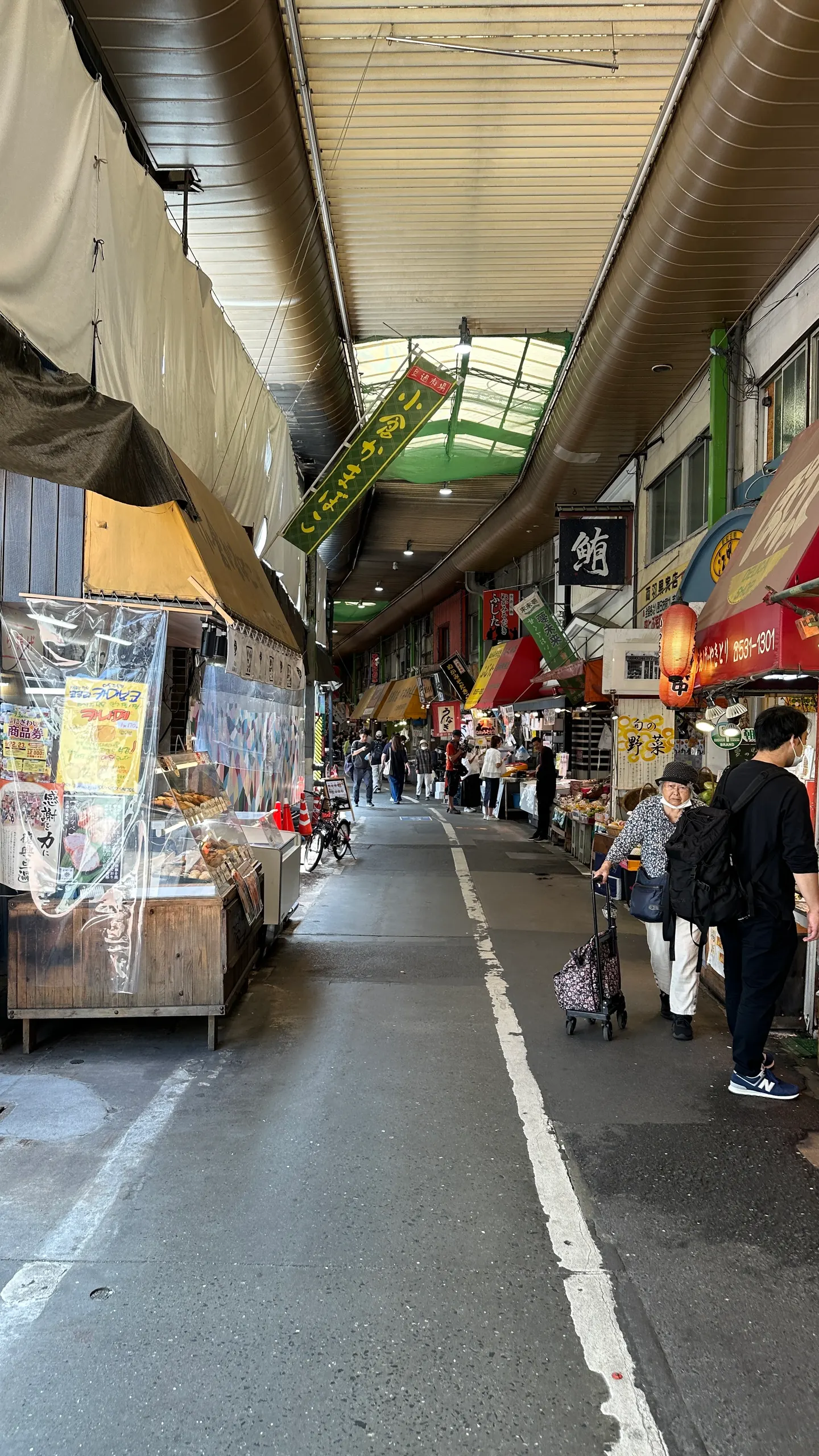
Kokura’s Tanga Market is a long, narrow covered market along a river, known as Kitakyushu’s kitchen. It was badly damaged by two fires in 2022, and when we went, parts of it were still being rebuilt, but the rest was running as usual.
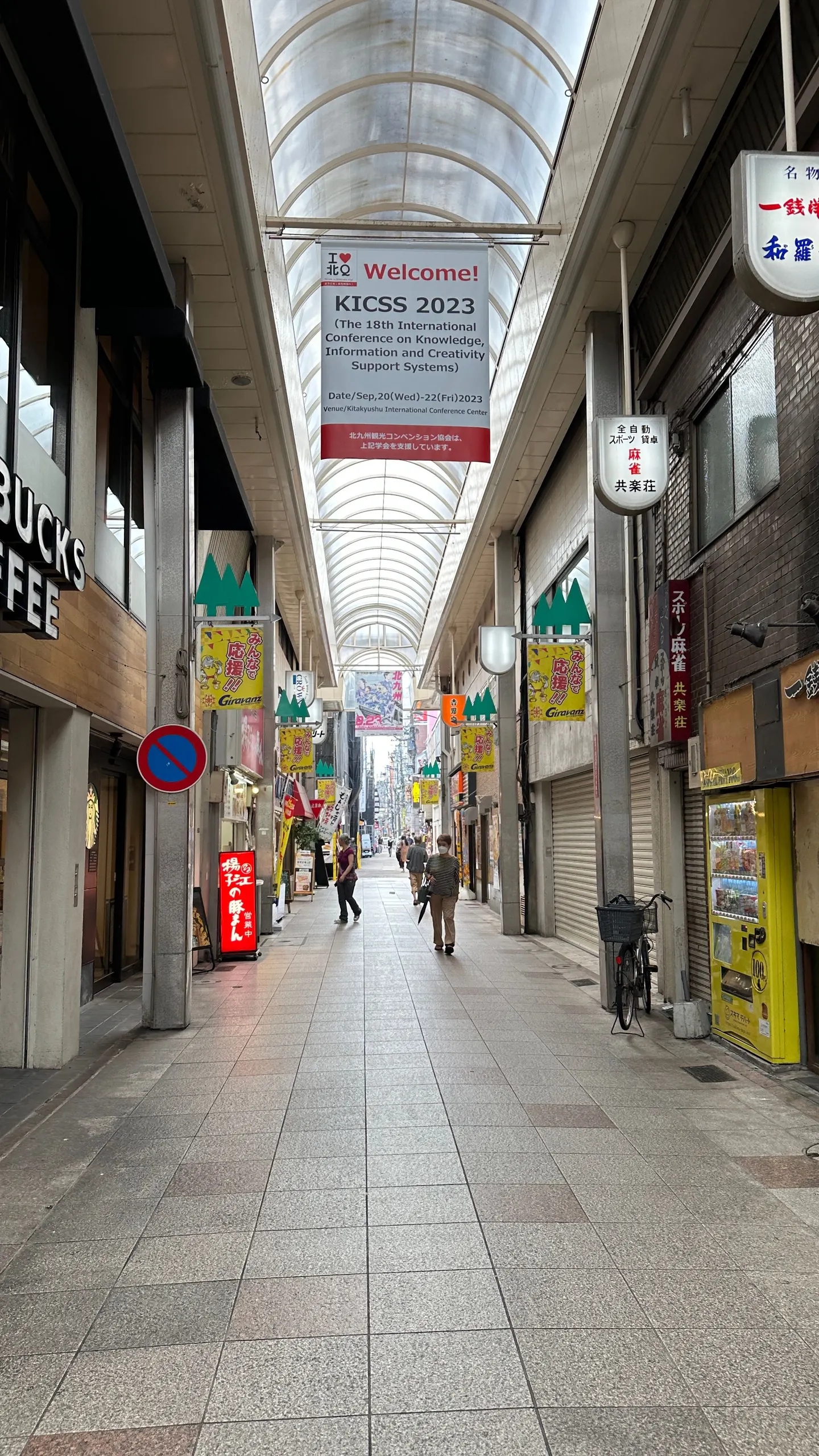
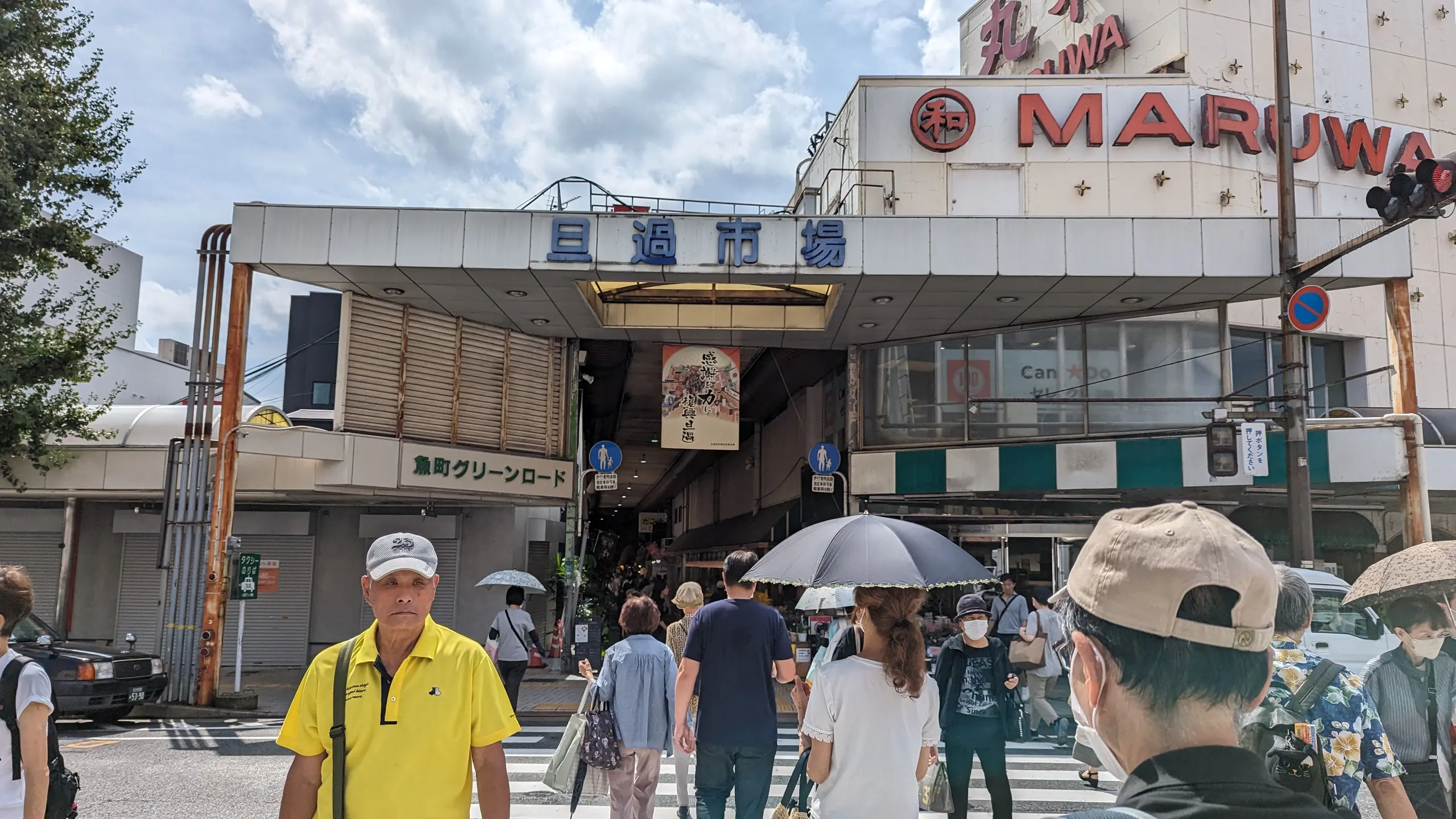
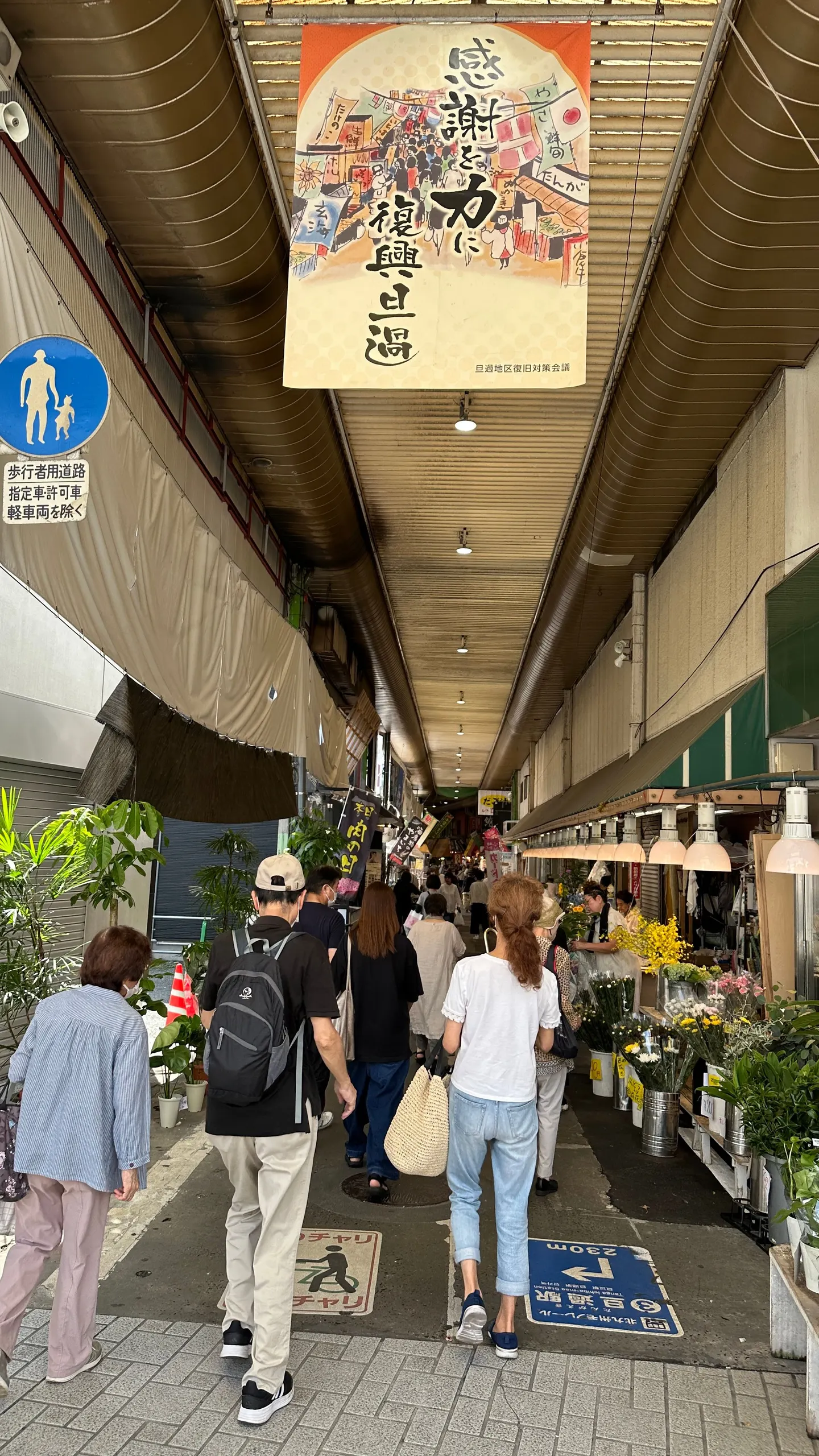
It’s one lane, barely wide enough for two people to pass, with fish, vegetables, pickles and snacks on both sides. Most of the people there were locals doing their actual groceries, so we kept out of the way of the shopping trolleys.
Hamburg Steak at L’Arc-Corn
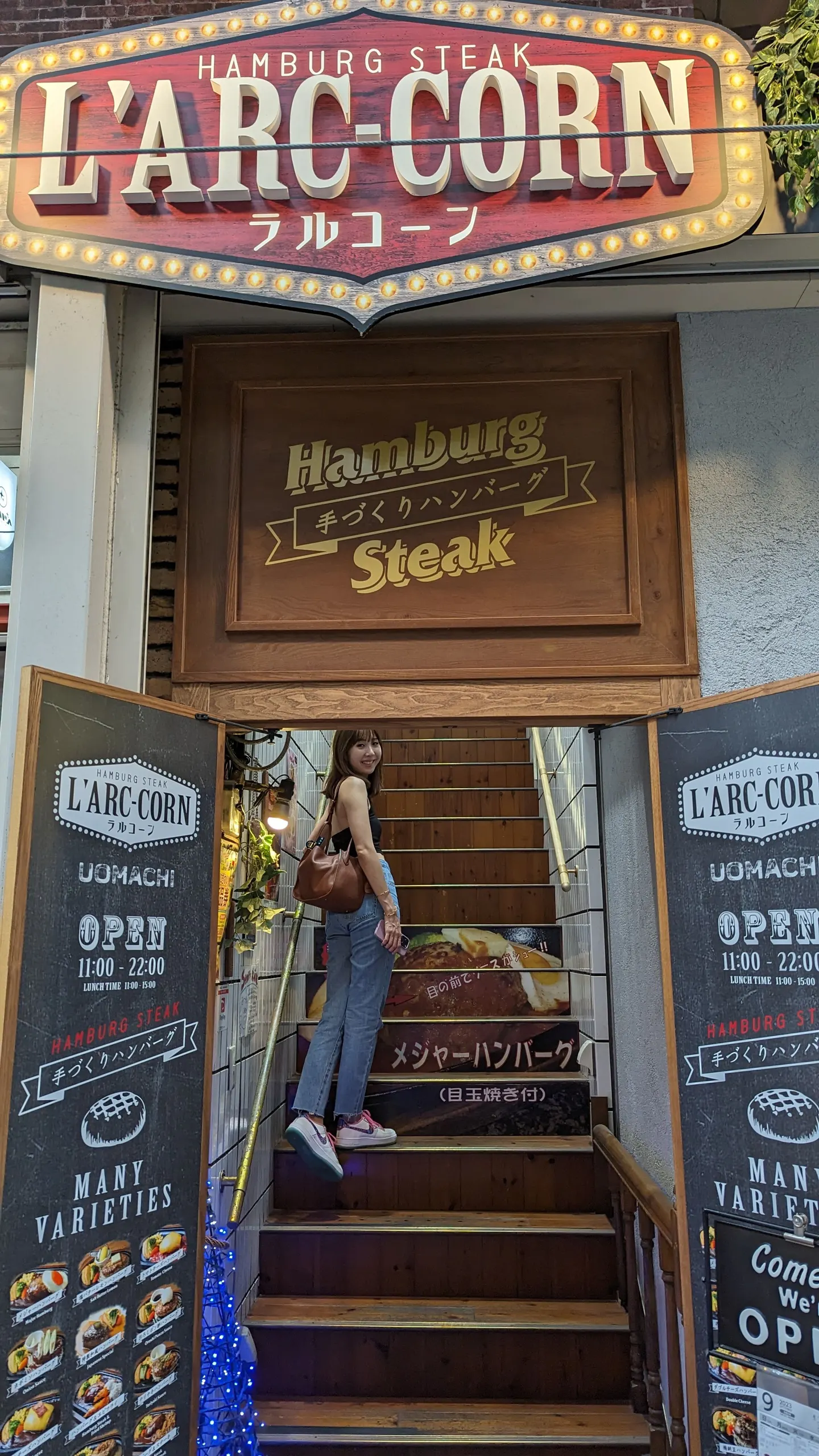
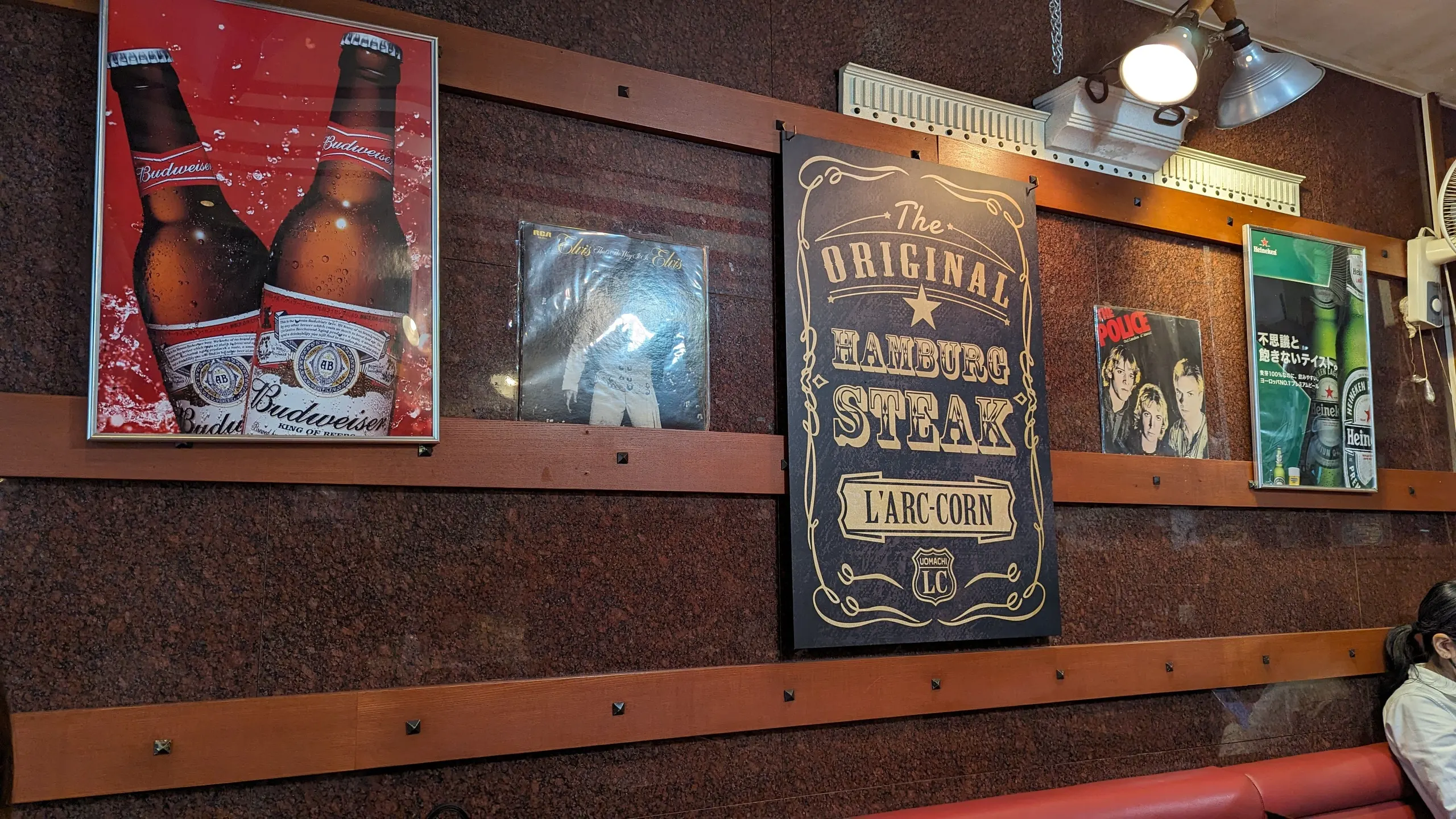
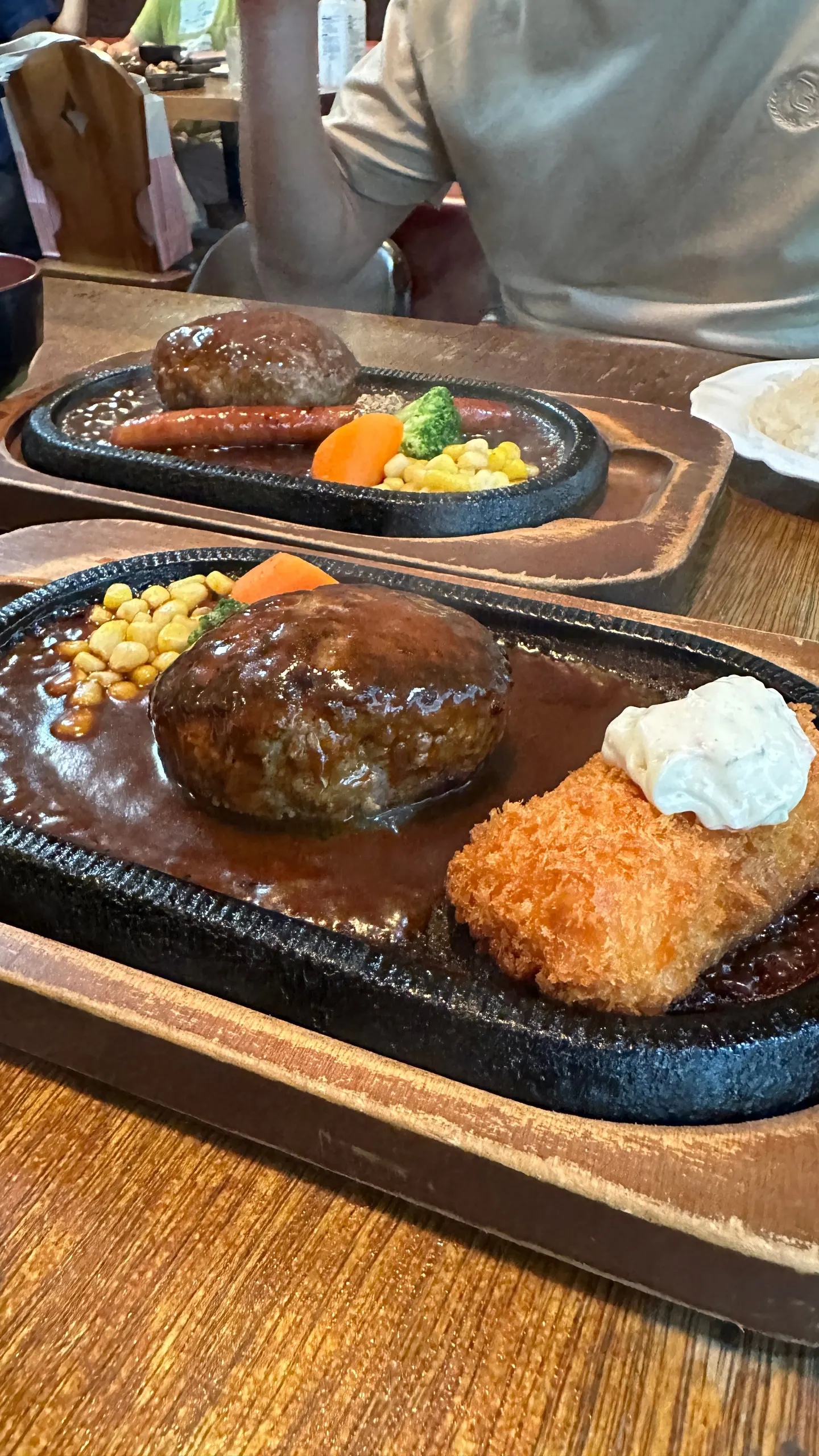
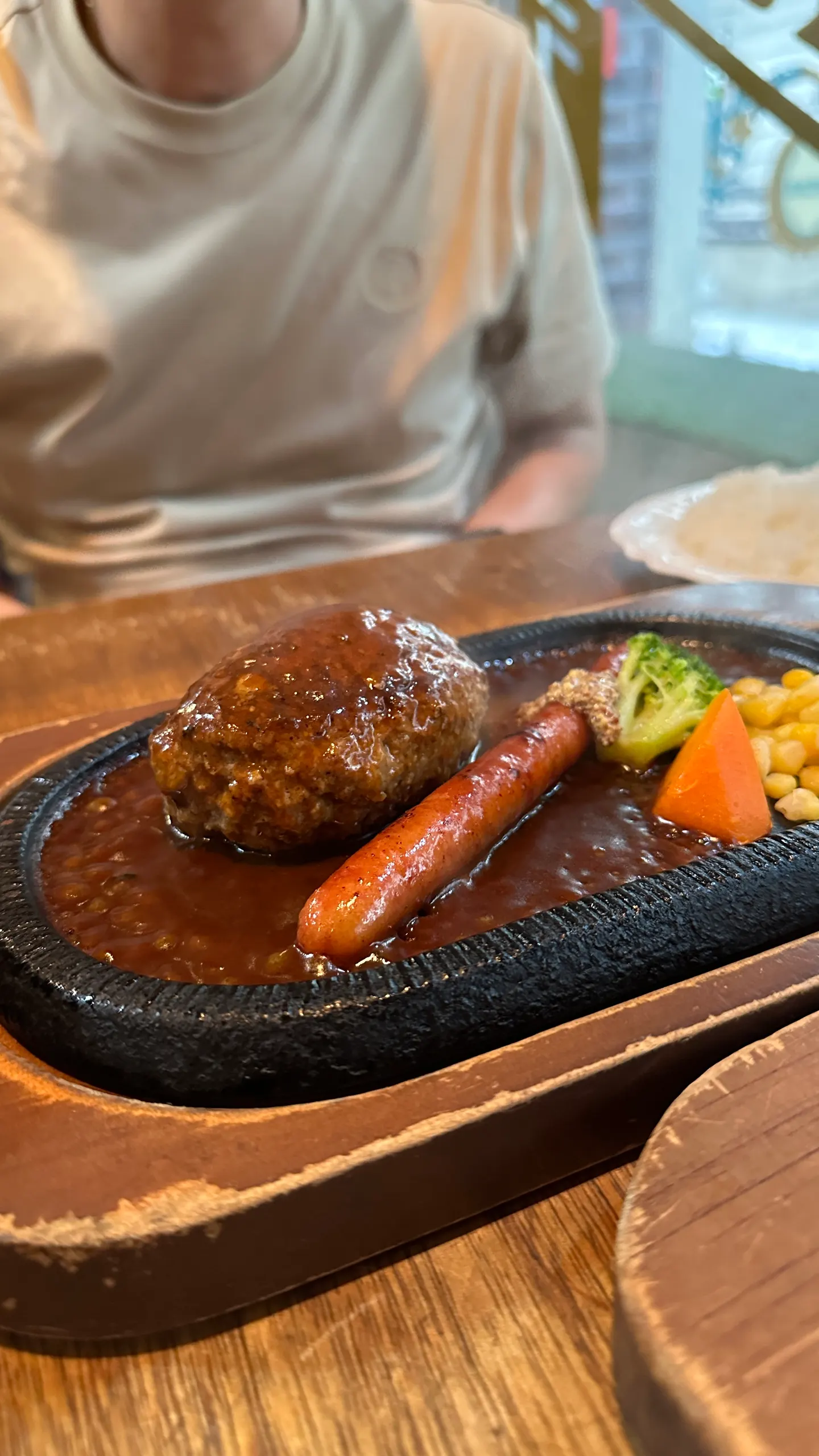
Lunch was hamburg steak at L’Arc-Corn, up a narrow staircase in Uomachi. A thick handmade patty on a sizzling iron plate, with fried things on the side.
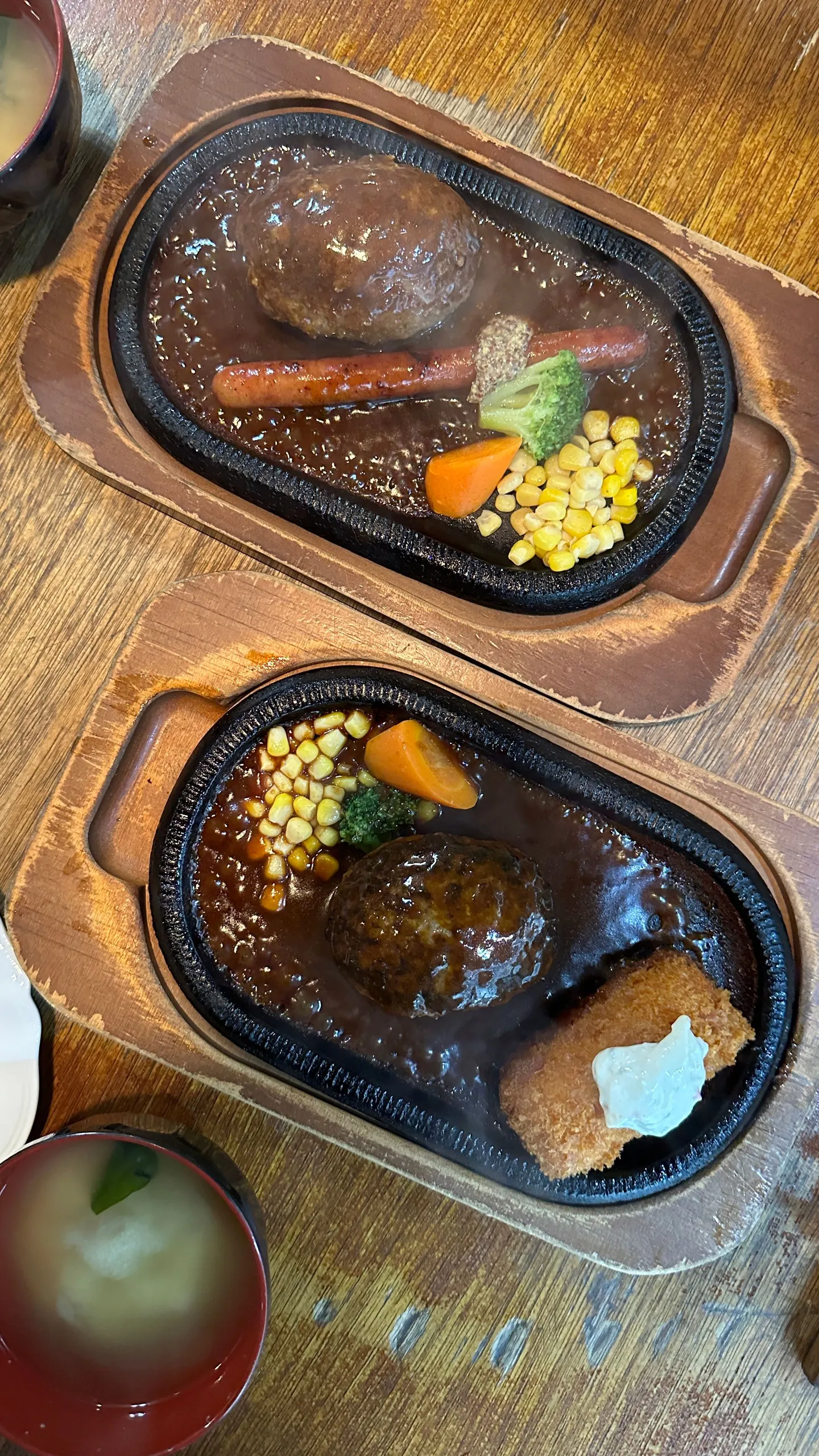
Mine came with a sausage on top, because one kind of meat is never enough.
Then the monorail out to the TOTO Museum, the most fun we’ve ever had looking at toilets.
Postcard from Kokura, Kitakyushu
Kokura's old covered market, known as Kitakyushu's kitchen: fish, vegetables, pickles and snack stalls down one long, narrow lane. Parts of it burned in two fires in 2022 and are being rebuilt.